
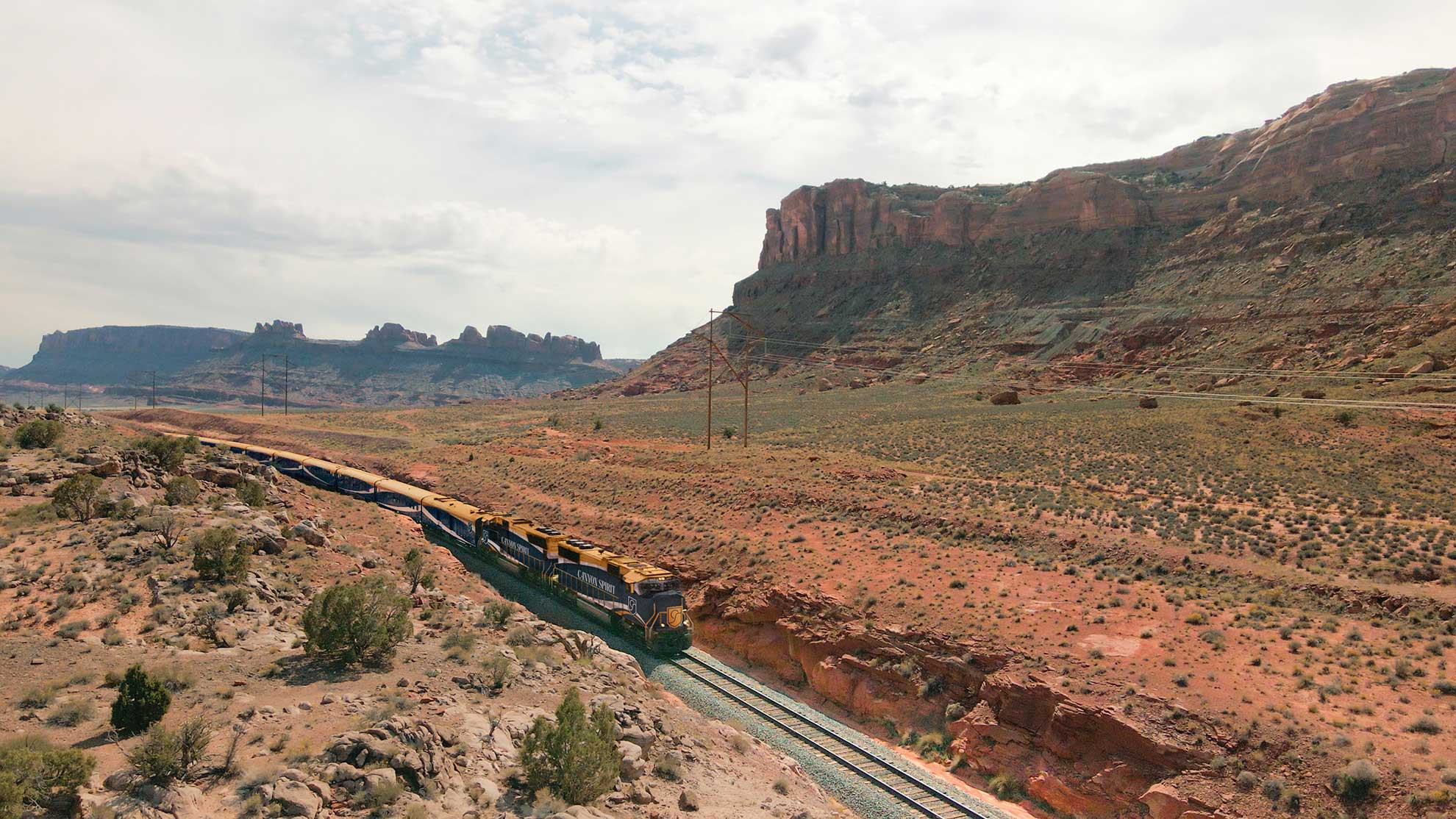
There is a specific kind of magic that happens when you cross the 109th meridian. It is the transition from the jagged, sun-scorched cathedrals of Utah’s Red Rock Country to the cloud-piercing, snow-dusted granite of the Colorado Rockies. For adventurers, this isn’t just a road trip; it is a pilgrimage. The Rocky Mountains represent more than just a geographic feature—they are a playground of extreme altitudes, ancient geology, and high-alpine luxury.
Whether you are seeking the adrenaline of a Class IV rapid or the quiet refinement of a world-class ski resort, the journey between Utah and Colorado offers an unparalleled diversity of experience. In this ultimate guide, we explore the best of the West, from the depths of the Colorado River to the heights of the Continental Divide.
1. The Red Rock Gateway: Moab, Utah
The journey begins in the heart of the desert. Moab serves as the base camp for two of America’s most iconic national parks: Arches and Canyonlands. However, the true essence of Moab isn’t found just by looking at the rocks; it’s found by moving through them.
Finding Your Flow on the Colorado River
While the desert is defined by its lack of water, the Colorado River is the region’s lifeblood. For those looking to escape the heat and see the canyons from a completely different perspective, Moab Rafting is the quintessential Utah experience.
Floating through the Fisher Towers or tackling the legendary rapids of Cataract Canyon allows you to witness the erosive power that carved this landscape over millions of years. It’s a sensory overload: the smell of the sagebrush after a rare rain, the cool spray of the river against your skin, and the towering Wingate Sandstone walls that seem to glow orange as the sun sets.
The Arches and The Needles
No trip to Moab is complete without a trek to Delicate Arch or a drive through the Island in the Sky district of Canyonlands. For those who want to avoid the crowds, head south to the Needles District. Here, the hiking trails are more rugged, the silence is deeper, and the cedar-scented air feels like it belongs to a different century.
2. Crossing the Border: The High Desert to the High Peaks
As you leave Utah and head east into Colorado, the landscape undergoes a dramatic transformation. The “checkerboard” mesas of the borderlands give way to the lush, green valleys of the Western Slope. This is the transition zone, where the arid desert air meets the moisture-trapping peaks of the San Juan and Sawatch Ranges.
A Stop in Glenwood Springs
Before you hit the high-altitude glamour of the central Rockies, take a detour to Glenwood Springs. Home to one of the largest hot springs pools in the world, it’s the perfect place to soothe muscles that are tired from hiking Utah’s slickrock. The vapor caves here—natural steam baths underground—have been used for healing for centuries, long before the first explorers arrived.
3. The Pinnacle of Alpine Luxury: Vail and the Central Rockies
Continuing east on I-70, the road begins its steep ascent into the heart of the Colorado Rockies. You’ll pass through the engineering marvel of the Glenwood Canyon and pop out into a world of soaring peaks and legendary ski towns.
Arrival in Vail
Vail is often called the “Crown Jewel” of the Rockies, and for good reason. Designed to mimic a Swiss alpine village, it offers a level of sophistication that is hard to find anywhere else in North America. Whether you’re visiting in the winter for the world-renowned “Back Bowls” or in the summer for the wildflowers and mountain biking, the experience is elevated.
For many travelers, the logistics of navigating mountain passes can be daunting, especially during the winter months when snow can turn a simple drive into an ordeal. To truly lean into the luxury of the region, many savvy visitors opt for professional transportation. Hiring a Vail limo ensures that you arrive at your resort in comfort and style, allowing you to watch the scenery of the Gore Range unfold through the window rather than stressing over icy roads and steep grades.
Summer in the Mountains
Vail isn’t just for skiers. When the snow melts, the mountains transform into a lush paradise. The Betty Ford Alpine Gardens, the highest botanical gardens in the United States, provide a stunning showcase of high-altitude flora. For the more adventurous, a hike up to Booth Falls offers a challenging climb rewarded by a thundering waterfall and panoramic views of the valley.
4. The Peak Experience: Rocky Mountain National Park
No Rocky Mountain tour is complete without a visit to the park that bears its name. Located near the town of Estes Park, Rocky Mountain National Park (RMNP) is a testament to the majesty of the American wilderness.
Trail Ridge Road: The Highway to the Sky
This is the highest continuous paved road in North America, reaching an elevation of over 12,000 feet. Driving this road is like traveling from the mid-latitudes to the Arctic Circle in minutes. As you climb above the treeline, the forest disappears, replaced by the fragile, wind-swept beauty of the alpine tundra.
- Wildlife Viewing: Keep your eyes peeled for elk, bighorn sheep, and the elusive marmot.
- The Continental Divide: Standing at Milner Pass, you are at the literal backbone of the continent. Water falling on one side of the ridge will eventually reach the Atlantic, while water on the other flows toward the Pacific.
Protecting the Wilderness
As the popularity of the Rockies continues to grow, it is more important than ever to practice Leave No Trace principles. The alpine tundra is incredibly fragile; a single footprint can destroy plants that have taken decades to grow in the harsh environment. For more information on how to explore these areas sustainably, the National Park Service provides essential guidelines on trail etiquette and conservation efforts.
5. Beyond the Basics: Hidden Gems of the Rockies
While Moab and Vail get much of the spotlight, the Rocky Mountain corridor is full of lesser-known treasures that deserve a spot on your itinerary.
The Black Canyon of the Gunnison
Often overlooked in favor of the Grand Canyon, the Black Canyon of the Gunnison offers some of the steepest cliffs and oldest rock in North America. The canyon is so deep and narrow that some parts only receive 33 minutes of sunlight a day. It is a hauntingly beautiful place that feels far removed from the bustle of the more popular parks.
The Maroon Bells
Located near Aspen, these two peaks are rumored to be the most photographed mountains in North America. To see them reflected in the still waters of Maroon Lake at sunrise is a spiritual experience. Due to their popularity, access is restricted, and you’ll need to take a shuttle bus—but the effort is well worth the reward.
6. Planning Your Ultimate Trip
A journey of this scale requires careful planning. Here are a few tips to ensure your Rocky Mountain experience is seamless:
- Respecting Altitude: Coming from sea level? Give yourself 24 hours in a “gateway city” like Denver or Salt Lake City before heading into the high country. Hydration is key to avoiding altitude sickness.
- Check the Calendar: In the Rockies, “Spring” doesn’t really arrive until June. Many high-altitude roads, including Trail Ridge Road, remain closed due to snow until late May.
- Book Ahead: Whether it’s a reservation for a national park entry or a specialized tour like rafting or a luxury shuttle, the best experiences fill up months in advance.
Conclusion: The Spirit of the West
The Rocky Mountains are more than just a range of peaks; they are a boundary of the imagination. From the deep, red canyons of Moab where the river whispers secrets of the ancient past, to the shimmering summits of Vail and RMNP where the air is thin and the stars feel close enough to touch, this region challenges and inspires in equal measure.
The ultimate Rocky Mountain experience is found in the transitions—the way the light changes as you cross from Utah into Colorado, the way the sound of a rushing river gives way to the silence of a snow-covered forest, and the way a rugged day of adventure can be perfectly capped off with a touch of high-mountain luxury.
Whether you are navigating the rapids or being whisked away in a private car toward your next summit, the Rockies offer a sense of freedom that can only be found in the Great American West. So, pack your bags, grab your camera, and prepare to discover why these mountains have captured the hearts of travelers for generations. Your adventure across the peaks and canyons is waiting.