
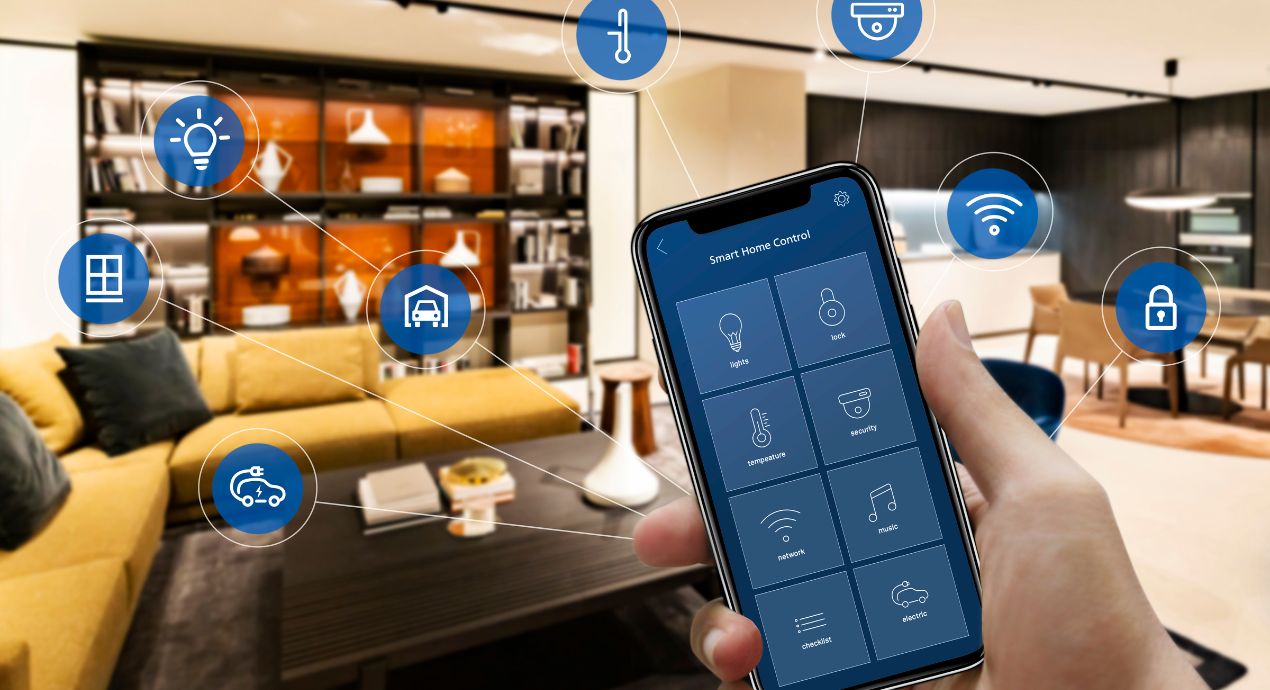
The landscape of residential living has changed dramatically in recent years. In 2026, the concept of a smart home is no longer defined by a voice-activated speaker playing your favorite playlist or a refrigerator that tells you when you’re out of milk. Instead, the true heart of the modern home lies in its invisible systems—the sophisticated, interconnected technologies that manage the climate, air quality, and energy consumption of our living spaces.
As we navigate a year marked by fluctuating energy costs and a renewed global commitment to sustainability, homeowners in Utah are looking for more than just a quick fix for their HVAC systems. They are seeking comprehensive, intelligent solutions that provide year-round comfort without the sticker shock of a high utility bill. This shift toward Intelligent Climate Management represents the most significant evolution in home maintenance in decades.
The Rise of Predictive Climate Control
For years, the standard approach to home cooling and heating was reactive. You felt hot, you lowered the thermostat; you felt a chill, you raised it. In 2026, we have moved firmly into the era of predictive climate control.
Modern HVAC systems now integrate directly with local weather stations and use machine learning to anticipate temperature swings before they happen. If a heatwave is forecasted for the Salt Lake Valley, your system doesn’t wait for your home to reach 80°F before it kicks into high gear. Instead, it pre-cools the home during off-peak hours when electricity rates are lower and the air is naturally cooler. This proactive approach reduces the “surge” demand on the electrical grid and prevents your AC unit from working at maximum capacity during the hottest part of the day, which is a primary cause of mechanical failure.
However, even the smartest AI can’t overcome a mechanical issue. If your system is struggling to keep up with these automated adjustments, it may be time to consult a professional for AC repair in Murray. Ensuring that your hardware is as healthy as your software is the only way to realize the full benefits of predictive technology.
Smart Thermostats: From Gadgets to Grid Managers
The humble thermostat has completely changed. In 2026, a smart thermostat is the “brain” of the household energy ecosystem. According to the latest data from ENERGY STAR, certified smart thermostats can save homeowners an average of 15% to 23% on heating and cooling costs by eliminating human error and optimizing runtimes.
These devices no longer rely on a single sensor in a drafty hallway. They now utilize remote room sensors and geofencing to understand exactly where you are and what you need.
- Occupancy Sensing: The system knows which rooms are in use and directs airflow accordingly.
- Geofencing: By syncing with your smartphone, the system can detect when you are five miles from home and begin adjusting the temperature so it’s perfect the moment you walk through the door.
- Humidity Intelligence: In the dry Utah climate, maintaining the right balance of humidity is essential for both skin health and the longevity of wooden furniture and flooring. Smart systems now monitor and adjust humidity levels automatically.
Zoning Systems: The End of “Thermostat Wars”
One of the greatest sources of domestic friction has always been home temperature. One person is freezing in the basement while another is sweltering in the upstairs bedroom. In 2026, HVAC zoning has become a standard feature in modern home upgrades, effectively ending the “thermostat wars.”
Zoning works by using a series of dampers in your ductwork that open and close based on the specific needs of different areas (or “zones”) of the home. This is particularly effective in multi-story homes common in Murray and surrounding areas. By only conditioning the rooms you are actually using, you significantly reduce the workload on your compressor. This doesn’t just save money; it extends the lifespan of your entire HVAC system by preventing the “all-or-nothing” cycle that plagues traditional setups.
The Sustainability Shift: Heat Pumps and Beyond
As we move further into 2026, the push for electrification has made Air-Source Heat Pumps the gold standard for new installations. Unlike traditional air conditioners that only cool, or furnaces that generate heat by burning fuel, heat pumps move heat from one place to another.
In the summer, they act as high-efficiency air conditioners. In the winter, they reverse the process, extracting heat from the outdoor air (even in cold temperatures) and moving it inside. With the advancements in cold-climate heat pump technology, these systems are now more than capable of handling a Utah winter. The efficiency gains are staggering, with some units delivering 300% to 400% efficiency—meaning they produce three to four times more energy than they consume in electricity.
Why Air Quality is the New Luxury
In 2026, we understand more than ever that “comfort” isn’t just about temperature; it’s about the air we breathe. With the increase in seasonal wildfires and urban pollutants, indoor air quality (IAQ) has become a top priority for homeowners.
Modern intelligent systems now include continuous IAQ monitoring. These sensors detect:
- VOCs (Volatile Organic Compounds): Chemicals emitted from cleaners, paints, and new furniture.
- Particulate Matter (PM2.5): Dust, smoke, and pollen that can aggravate asthma and allergies.
- CO2 Levels: High carbon dioxide levels in tightly sealed modern homes can lead to drowsiness and headaches.
When the system detects a spike in pollutants, it automatically ramps up the filtration or introduces fresh, filtered air from the outside. This “set it and forget it” approach to health is a hallmark of the 2026 home.
The Economic Reality of Maintenance
While technology has made our lives easier, it has also made HVAC systems more complex. The high-tech sensors and variable-speed compressors that provide such high efficiency require precision calibration. A small refrigerant leak or a layer of dust on the evaporator coils can cause a smart system to overcompensate, leading to “short-cycling” and an eventual breakdown.
This is why professional intervention remains irreplaceable. Residents in the Salt Lake Valley often face unique environmental challenges—from extreme temperature swings to hard water minerals that can affect integrated humidifiers. Regular diagnostics from a local expert ensure that the investment you’ve made in smart technology continues to pay off. If you notice your energy bills creeping up despite having a “smart” setup, it’s a clear signal that the mechanical components need attention.
Planning for the Future: A Homeowner’s Checklist
If you are looking to modernize your home’s climate strategy this year, consider this roadmap:
- Conduct an Energy Audit: Before buying new hardware, identify where your home is losing air. Check your attic insulation and seals around your windows.
- Invest in a Smart Hub: Choose a thermostat that is compatible with other smart home devices (like smart blinds that close during peak sunlight).
- Consider a Hybrid System: If you aren’t ready to go fully electric, a dual-fuel system (heat pump paired with a gas furnace) offers the best of both worlds for the Utah climate.
- Prioritize Filtration: Upgrade to a MERV 13 or higher filter, or look into UV light purifiers that can be installed directly into your ductwork to kill bacteria and viruses.
Comfort Without Compromise
The theme of 2026 is balance. We no longer have to choose between a comfortable home and a sustainable lifestyle. By leveraging AI-driven thermostats, precision zoning, and high-efficiency heat pump technology, we can create indoor environments that are healthy, affordable, and perfectly tailored to our needs.
However, technology is only as good as the maintenance behind it. Whether you are troubleshooting a sophisticated zoning error or simply need an expert eye on your traditional unit, staying proactive is the key. For those living in the heart of Utah, ensuring your system is peak-ready with professional help is the final piece of the puzzle. The future of home comfort is here—is your home ready for it?