
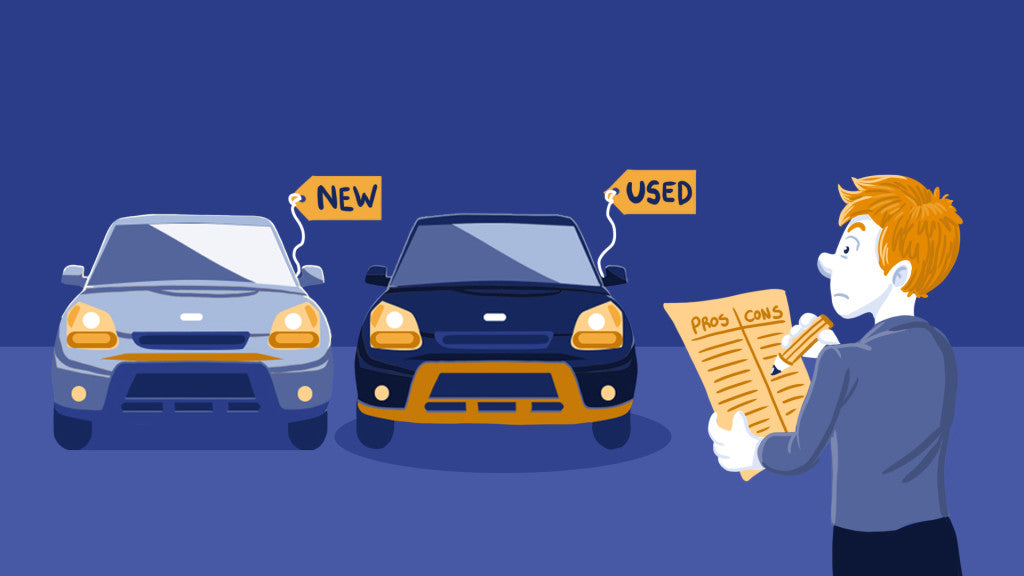
Buying a car is a major financial decision, and many buyers struggle to choose between a certified pre-owned vehicle and a regular used car. Both options can save money compared to purchasing a brand-new vehicle, but they come with important differences in pricing, warranties, inspections, and overall reliability.
Understanding the pros and cons of certified pre-owned vs used cars can help buyers make smarter decisions based on budget, driving needs, and long-term ownership goals. While certified pre-owned vehicles often provide more peace of mind, regular used cars may offer greater affordability and flexibility.
This guide explains the key differences between certified pre-owned and used cars, including costs, warranties, financing, reliability, and factors to consider before making a purchase.
What Is a Certified Pre-Owned Car?
A certified pre-owned car, often called a CPO vehicle, is a used vehicle that has been inspected, refurbished, and certified by the manufacturer or dealership.
These vehicles usually:
- Have lower mileage
- Are newer models
- Pass detailed inspections
- Include limited warranties
- Meet strict age and condition requirements
Manufacturers often provide additional benefits such as roadside assistance and extended warranty coverage.
What Is a Regular Used Car?
A used car refers to any previously owned vehicle sold by:
- Private sellers
- Independent dealerships
- Franchise dealerships
Used cars may vary widely in:
- Condition
- Mileage
- Service history
- Warranty availability
- Age
Unlike certified pre-owned vehicles, regular used cars typically do not undergo manufacturer-backed certification processes.
Main Differences Between Certified Pre-Owned and Used Cars
| Feature | Certified Pre-Owned Cars | Regular Used Cars |
|---|---|---|
| Inspection Process | Extensive manufacturer inspection | Varies by seller |
| Warranty | Usually included | Often limited or none |
| Price | Higher | Lower |
| Vehicle Age | Usually newer | Wide age range |
| Mileage | Lower mileage | Varies greatly |
| Financing Options | Better financing rates | May have higher rates |
| Reliability | More predictable | Depends on condition |
Pros of Certified Pre-Owned Cars
Manufacturer Warranty
One of the biggest advantages of certified pre-owned vehicles is warranty protection.
Benefits may include:
- Powertrain coverage
- Limited bumper-to-bumper warranty
- Roadside assistance
- Free maintenance programs
This added protection can reduce unexpected repair costs.
Thorough Inspection Process
Certified pre-owned vehicles go through detailed inspections that often include:
- Engine checks
- Brake inspections
- Tire condition
- Interior quality
- Safety systems
The inspection process increases buyer confidence and reduces the risk of hidden problems.
Lower Risk
Because CPO vehicles must meet strict standards, they are generally considered more reliable than regular used cars.
Many buyers prefer CPO vehicles for:
- Daily commuting
- Family transportation
- Long-distance driving
Better Financing Rates
Manufacturers often provide attractive financing options for certified pre-owned vehicles.
This can include:
- Lower interest rates
- Promotional offers
- Extended loan terms
Cons of Certified Pre-Owned Cars
Higher Purchase Price
Certified pre-owned cars are usually more expensive than regular used vehicles due to:
- Inspection costs
- Warranty coverage
- Dealer certification fees
The price difference may not fit every budget.
Limited Vehicle Selection
CPO programs only include certain vehicles that meet manufacturer standards.
This can reduce:
- Model availability
- Older vehicle options
- Budget-friendly choices
Depreciation Still Exists
Although slower than new cars, certified pre-owned vehicles still lose value over time.
Pros of Regular Used Cars
Lower Purchase Cost
Used cars are generally more affordable than certified pre-owned vehicles.
Buyers can often:
- Save thousands of dollars
- Avoid rapid new-car depreciation
- Access lower monthly payments
More Variety
The used car market offers a much larger selection of:
- Vehicle ages
- Brands
- Models
- Price ranges
This flexibility helps buyers find vehicles that match specific budgets and preferences.
Lower Insurance Costs
Older used vehicles may cost less to insure compared to newer certified models.
Slower Depreciation
Used cars have already experienced much of their initial depreciation, helping buyers retain more value over time.
Cons of Regular Used Cars
Limited or No Warranty
Many used cars are sold “as-is,” meaning buyers are responsible for future repairs.
Unexpected repair costs can become expensive without warranty protection.
Higher Risk of Mechanical Issues
Vehicle history and maintenance quality vary significantly in the used car market.
Potential issues may include:
- Accident damage
- Poor maintenance
- Hidden mechanical problems
Less Financing Support
Interest rates for older used cars are sometimes higher than rates for certified pre-owned vehicles.
Which Option Is Better for Budget Buyers?
Budget-conscious buyers often prefer regular used cars because of lower upfront costs.
However, buyers should always:
- Check vehicle history reports
- Inspect maintenance records
- Arrange professional inspections
- Test drive thoroughly
A well-maintained used car can provide excellent long-term value when chosen carefully.
Which Option Is Better for Reliability?
Certified pre-owned vehicles are generally better for buyers prioritizing:
- Reliability
- Warranty coverage
- Lower repair risk
- Peace of mind
Families and first-time buyers often feel more comfortable purchasing CPO vehicles due to added security.
Tips for Buying Either Type of Vehicle
Research Vehicle Reliability
Some brands and models maintain better long-term reliability than others.
Compare Total Ownership Costs
Consider:
- Insurance
- Fuel economy
- Repairs
- Maintenance
- Depreciation
Inspect Vehicle History
Always review:
- Accident history
- Service records
- Ownership history
Test Drive Carefully
Pay attention to:
- Engine noise
- Braking performance
- Steering response
- Interior condition
Negotiate the Price
Regardless of whether you choose certified pre-owned or used, negotiation is important. Many buyers improve their deals by learning strategies similar to How to Negotiate Car Price at Dealership Without Stress before visiting dealerships.
Best Buyers for Certified Pre-Owned Cars
CPO vehicles are ideal for:
- Families
- Daily commuters
- Buyers wanting warranty protection
- First-time car owners
- People seeking lower repair risk
Best Buyers for Regular Used Cars
Regular used cars are often better for:
- Budget-conscious shoppers
- Students
- Experienced car buyers
- Buyers comfortable with inspections
- People seeking older specialty vehicles
Common Mistakes to Avoid
Buying Without Inspection
Skipping inspections can lead to expensive repairs later.
Ignoring Ownership Costs
Cheap purchase prices do not always mean lower long-term costs.
Focusing Only on Monthly Payments
Long loan terms may increase total interest costs significantly.
Not Checking Vehicle History
Vehicle history reports can reveal hidden accidents or title issues.
Rushing the Purchase
Taking time to compare options usually leads to better decisions.
FAQs
Is a certified pre-owned car worth the extra cost?
For many buyers, the warranty coverage and inspection process justify the higher price.
Are used cars reliable?
Yes, many used cars are reliable if properly maintained and carefully inspected before purchase.
What mileage is good for a used car?
Mileage expectations vary by brand and maintenance history, but lower mileage often indicates less wear.
Do certified pre-owned cars come with warranties?
Most certified pre-owned vehicles include limited manufacturer-backed warranties.
Are certified pre-owned cars cheaper than new cars?
Yes. CPO vehicles are usually significantly cheaper than brand-new models while still offering many benefits.
Can I negotiate certified pre-owned car prices?
Yes. Certified pre-owned vehicle prices are often negotiable, especially during dealership promotions.
Final Thoughts
Choosing between certified pre-owned vs used cars depends on your budget, priorities, and comfort level with vehicle risk. Certified pre-owned vehicles offer greater peace of mind, warranty coverage, and reliability, while regular used cars provide lower prices and more variety.
Both options can be excellent choices when researched carefully. Buyers seeking long-term reliability and reduced repair concerns may prefer certified pre-owned vehicles, while those focused on affordability may find greater value in the regular used car market.