
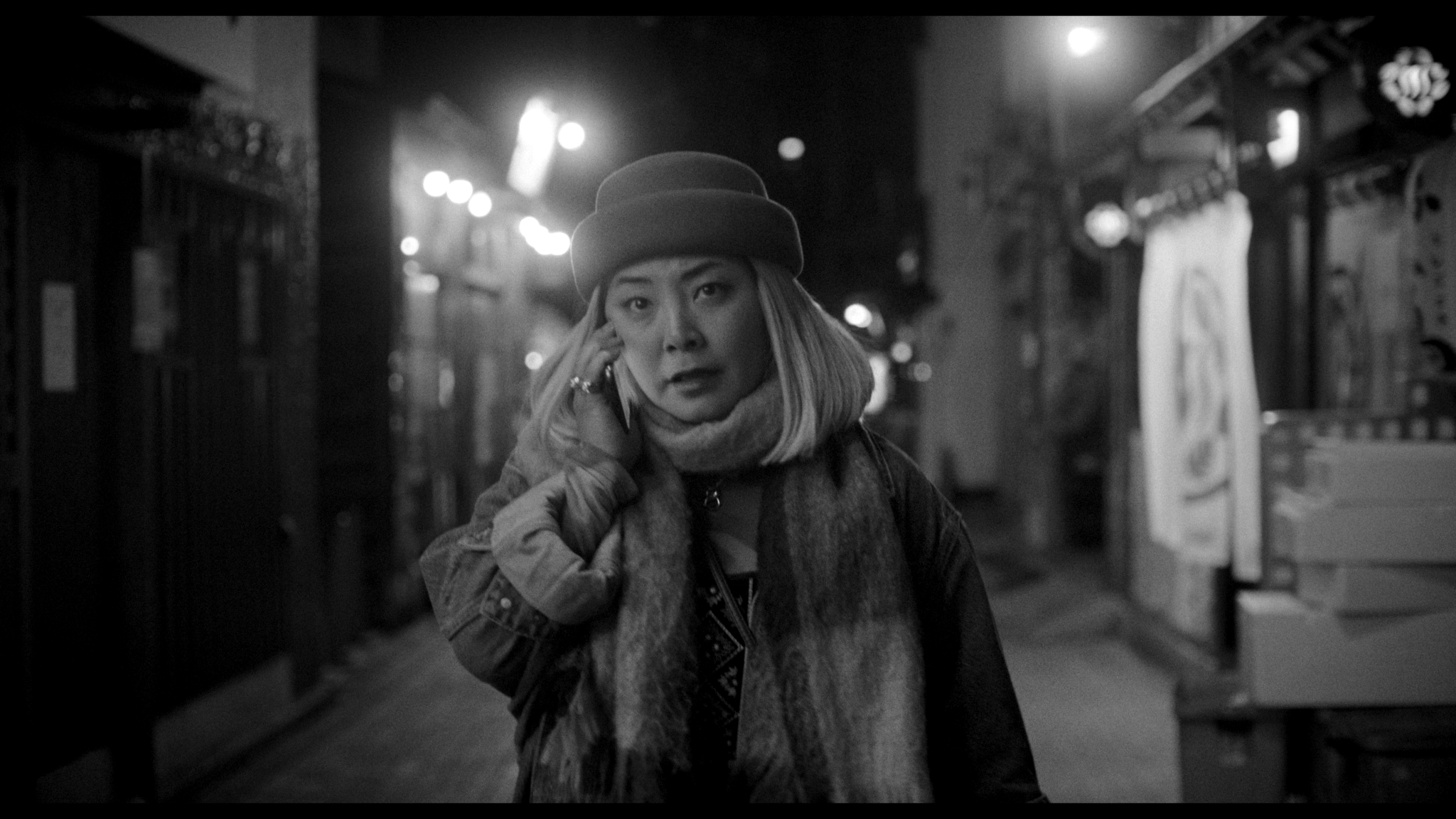
Some films announce themselves loudly. Others arrive softly, carrying emotion in silence, memory, and the spaces between conversations. Akashi feels very much like the second kind of film.
Now heading to the Marché du Film at the Cannes Film Festival with international sales support from Canoe Film, the debut feature from Japanese-Canadian filmmaker Mayumi Yoshida is already building remarkable momentum following an acclaimed festival run and multiple award wins.
But what immediately struck me about Akashi is not simply its growing industry recognition. It is the emotional intimacy of the story itself, a multigenerational meditation on love, sacrifice, memory, and the complicated truths families quietly carry across decades.
At a time when many films compete for attention through scale and spectacle, Akashi seems determined to do something much harder: make audiences feel deeply through restraint.
A Story Told Across Time and Memory
Set between Vancouver and Tokyo, Akashi follows Kana, a struggling artist who returns to Japan after the death of her grandmother following ten years abroad. As she reconnects with her family and reflects on a secret shared only between herself and her grandmother, the film slowly unfolds into a layered exploration of love, hidden histories, and emotional inheritance.
Interwoven with Kana’s present-day story is the decades-long affair of her grandfather, creating parallel timelines that mirror one another emotionally rather than simply narratively.
What makes the premise especially compelling is how grounded it feels.
This is not melodrama built around shocking revelations. Instead, it appears interested in the quieter emotional consequences of family secrets, the things people carry silently for years because love, duty, and personal desire rarely exist in simple harmony.
That emotional complexity feels increasingly rare in contemporary cinema.

Mayumi Yoshida Emerges as a Distinct Filmmaking Voice
For audiences familiar with Mayumi Yoshida primarily as an actor through projects like The Man in the High Castle, Akashi represents a major creative evolution.
And honestly, her background makes perfect sense for a project like this.
Born in Japan and raised across three continents, Yoshida brings an inherently cross-cultural perspective to storytelling. That lived experience appears deeply embedded within Akashi, particularly in its exploration of displacement, identity, and the emotional distance that can form between generations and countries.
The film’s emotional atmosphere seems shaped by someone who understands what it means to exist between worlds, culturally, emotionally, and geographically.
That perspective gives Akashi a sense of authenticity that cannot be manufactured.
Cannes Recognition Signals Growing International Interest
The involvement of Canoe Film is also significant.
Known for supporting carefully curated independent projects with strong artistic identity, Canoe’s decision to bring Akashi to Cannes suggests growing international confidence in the film’s global appeal.
Caroline Stern, managing director of Canoe Film, described Yoshida as “a true talent,” emphasizing the film’s crossover potential and emotionally resonant storytelling.
That combination, intimate storytelling with international accessibility, often defines the independent films that resonate most strongly on the festival circuit.
And Akashi has already proven its ability to connect with audiences.
The film previously won the Audience Award at the Vancouver International Film Festival and secured five awards at the Whistler Film Festival, including the prestigious Borsos Award for Best Canadian Feature.
Audience awards especially tend to matter because they suggest emotional connection rather than purely critical admiration.

A Film That Feels Intimate Yet Cinematic
Another thing that stood out while reading about Akashi is the creative team surrounding the project.
The film’s cinematography is handled by Jaryl Lim, while music comes from composer Andrew Yong Hoon Lee, whose work on Riceboy Sleeps already demonstrated a remarkable sensitivity to emotional atmosphere.
That matters because films like Akashi rely heavily on tone.
Stories centered around memory and emotional reflection succeed not through plot twists, but through visual texture, pacing, silence, and emotional nuance. Every creative decision contributes to whether audiences truly feel immersed in the emotional world of the film.
And from everything described so far, Akashi sounds less like conventional drama and more like cinematic poetry.
Representation Through Emotional Specificity
What also makes the project especially exciting is how naturally it centers Asian and Japanese perspectives without reducing itself to identity politics or stereotype-driven narratives.
The cast includes performers such as Hana Kino, Ryo Tajima, Chieko Matsubara, Kunio Murai, Shun Sugata, and Hiro Kanagawa.
Rather than framing representation as a marketing device, Akashi appears focused on emotional truth first, allowing cultural specificity to emerge organically through character and lived experience.
That approach often results in the most universally resonant storytelling.
Because while the details may be culturally specific, themes like longing, regret, sacrifice, and family obligation transcend geography.
A Significant Moment for Women Filmmakers
There is also something especially meaningful about seeing Mayumi Yoshida stepping into this moment not only as director, but as writer, producer, and creative force behind the project.
The film industry continues evolving, but women filmmakers, particularly women of color working in independent cinema, still face enormous barriers when trying to bring deeply personal stories to the screen.
Yoshida’s growing recognition at Cannes, alongside her recent signing with Echo Lake Entertainment, feels like an important career milestone that could open even larger opportunities moving forward.
And honestly, the industry needs more filmmakers willing to tell stories with this level of emotional patience and sincerity.
Final Thoughts
In many ways, Akashi sounds like the kind of film modern cinema desperately needs more of, emotionally intelligent, visually restrained, culturally layered, and deeply human.
Rather than chasing spectacle or trend-driven storytelling, it seems committed to exploring the emotional residue people leave behind within families, relationships, and memory itself.
That kind of storytelling requires confidence.
And for a debut feature, Akashi already feels remarkably assured.
As the film heads to Cannes and expands its international reach, it seems increasingly likely that audiences far beyond Canada and Japan will soon discover what festival audiences already have:
A filmmaker with a deeply personal voice and a story that lingers long after the screen fades to black.
For more information, visit here.
She’s All Over the Place Podcast