
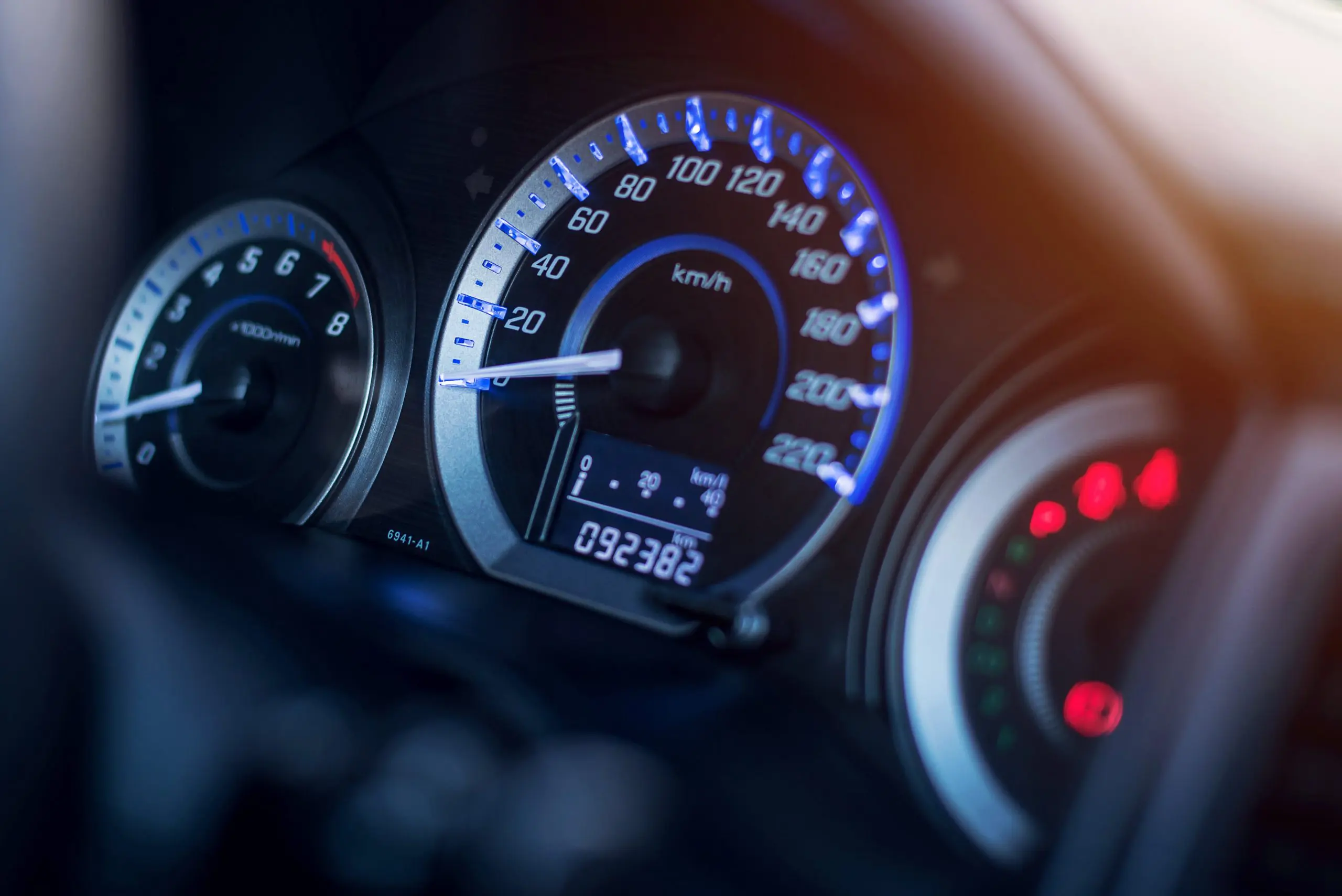
Buying a used car can save a lot of money compared to purchasing a brand-new vehicle. However, one of the biggest concerns for buyers is mileage. Many people wonder what mileage is too high for a used car purchase and whether a high-mileage car is worth the investment. While mileage is important, it is not the only factor that determines a car’s condition and reliability.
Some high-mileage vehicles are still excellent choices if they have been properly maintained, while low-mileage cars with poor maintenance can become expensive problems. In this article, you will learn how mileage affects a used car, what is considered high mileage, important inspection tips, and how to make a smart buying decision.
Why Mileage Matters in a Used Car
Mileage refers to the total distance a vehicle has traveled over its lifetime. It gives buyers an idea of how much wear and tear the car may have experienced.
Higher mileage often means:
- More engine wear
- Greater maintenance needs
- Increased risk of repairs
- Lower resale value
However, modern vehicles are designed to last much longer than older cars, especially when serviced regularly.
What Is Considered High Mileage?
There is no exact mileage number that automatically makes a car bad. In general:
| Mileage Range | Condition Category |
|---|---|
| Under 50,000 miles | Low mileage |
| 50,000–100,000 miles | Average mileage |
| 100,000–150,000 miles | High mileage |
| Over 150,000 miles | Very high mileage |
Many experts consider anything above 100,000 miles as high mileage, but this does not always mean the vehicle should be avoided.
Average Mileage Per Year
A good way to evaluate a used car is by comparing its mileage to its age.
Most vehicles average:
- 12,000–15,000 miles per year
For example:
- A 5-year-old car with 60,000–75,000 miles is considered normal
- A 10-year-old car with 120,000 miles may still be reasonable
Extremely high yearly mileage could indicate heavy use.
Why Maintenance Is More Important Than Mileage
A well-maintained high-mileage car is often a better choice than a neglected low-mileage vehicle.
Signs of Good Maintenance:
- Regular oil changes
- Service records available
- Clean interior and exterior
- Smooth engine performance
- Timely repairs
Cars with proper maintenance can easily exceed 200,000 miles.
Benefits of Buying a High-Mileage Used Car
Many buyers avoid high-mileage vehicles, but they can offer several advantages.
Lower Purchase Price
High-mileage cars are usually much cheaper than low-mileage alternatives.
Slower Depreciation
Most depreciation has already occurred, helping preserve resale value.
Better Value for Budget Buyers
You may afford a higher-quality model with more features at a lower cost.
Risks of Buying a High-Mileage Car
While some high-mileage cars are reliable, buyers should understand the potential risks.
More Frequent Repairs
Older parts naturally wear out over time.
Expensive Maintenance
Major components like transmissions or suspension systems may need replacement.
Reduced Warranty Coverage
Most factory warranties expire at higher mileage levels.
Lower Resale Value
High-mileage cars can be harder to sell later.
Important Areas to Inspect in High-Mileage Cars
Before buying a used car, inspect critical components carefully.
| Vehicle Part | What to Check |
|---|---|
| Engine | Strange noises or leaks |
| Transmission | Smooth shifting |
| Tires | Uneven wear |
| Brakes | Proper stopping power |
| Suspension | Excessive bouncing |
| Interior | Signs of heavy wear |
| Service Records | Maintenance history |
A professional inspection can help identify hidden problems.
Best Mileage for Buying a Used Car
Many buyers prefer cars with:
- 50,000–80,000 miles
This range often provides:
- Reasonable pricing
- Good remaining lifespan
- Lower repair risk
However, the ideal mileage depends on:
- Vehicle brand
- Maintenance quality
- Driving conditions
- Previous ownership
Highway Miles vs City Miles
Not all mileage affects cars equally.
Highway Miles
Highway driving is generally easier on vehicles because:
- Speeds remain steady
- Less braking occurs
- Engines operate efficiently
City Miles
City driving creates more wear due to:
- Stop-and-go traffic
- Frequent braking
- Short trips
A car with mostly highway miles may be in better condition than one with fewer city miles.
Reliable Car Brands for High Mileage
Some car brands are known for long-lasting reliability.
Popular reliable brands include:
- Toyota
- Honda
- Lexus
- Mazda
These manufacturers often produce vehicles capable of lasting well beyond 200,000 miles with proper care.
Questions to Ask Before Buying
Before purchasing a used car, ask the seller:
- Has the car been in any accidents?
- Are service records available?
- Why is the car being sold?
- Have major parts been replaced?
- Was the vehicle mostly used for highway driving?
Good answers and documentation increase buyer confidence.
Importance of Vehicle History Reports
A vehicle history report can reveal important information such as:
- Accident history
- Ownership records
- Flood damage
- Mileage inconsistencies
- Service records
Always review the vehicle’s history before making a final decision.
Certified Pre-Owned Cars
Certified pre-owned vehicles usually:
- Pass inspections
- Include warranties
- Have lower mileage
- Offer better reliability
They may cost more but provide added peace of mind.
Mileage and Fuel Efficiency
Higher-mileage vehicles may experience reduced fuel efficiency over time due to engine wear and aging components.
Regular maintenance helps maintain performance and fuel economy.
Best Used Cars for Families
If you are shopping for reliable family vehicles, researching the Best Family Cars With Low Maintenance Costs can help you find affordable and dependable options with strong long-term value.
Signs You Should Avoid a Used Car
Major Warning Signs:
- Smoke from the exhaust
- Engine knocking sounds
- Poor maintenance records
- Flood or accident damage
- Warning lights on dashboard
- Unusual smells
Even low-mileage cars with these problems may become expensive to repair.
Tips for Buying a Used Car Safely
Set a Budget
Include:
- Insurance
- Registration
- Repairs
- Maintenance costs
Take a Test Drive
Check:
- Steering
- Braking
- Acceleration
- Comfort
Get a Mechanic Inspection
A trusted mechanic can identify hidden issues before purchase.
Common Myths About High-Mileage Cars
Myth 1: All High-Mileage Cars Are Bad
Many high-mileage cars remain very reliable.
Myth 2: Low Mileage Always Means Better Condition
Neglected low-mileage cars can still have serious problems.
Myth 3: Cars Cannot Last Beyond 100,000 Miles
Modern vehicles often exceed 200,000 miles with proper maintenance.
FAQs About Used Car Mileage
Is 100,000 miles too much for a used car?
Not necessarily. Many cars remain reliable beyond 100,000 miles if properly maintained.
What mileage is best for a used car?
Many buyers prefer 50,000–80,000 miles for a balance of value and reliability.
Can a car last 200,000 miles?
Yes, many modern vehicles can last over 200,000 miles with regular maintenance.
Should I buy a high-mileage car with good service history?
A well-maintained high-mileage car can often be a smart purchase.
Does highway mileage matter less?
Yes, highway driving usually causes less wear compared to city driving.
Conclusion
Understanding what mileage is too high for a used car purchase can help buyers make smarter financial decisions. While mileage is important, maintenance history, driving conditions, and overall vehicle care matter even more. A well-maintained car with higher mileage may offer excellent value, while a poorly maintained low-mileage vehicle can lead to expensive repairs.