
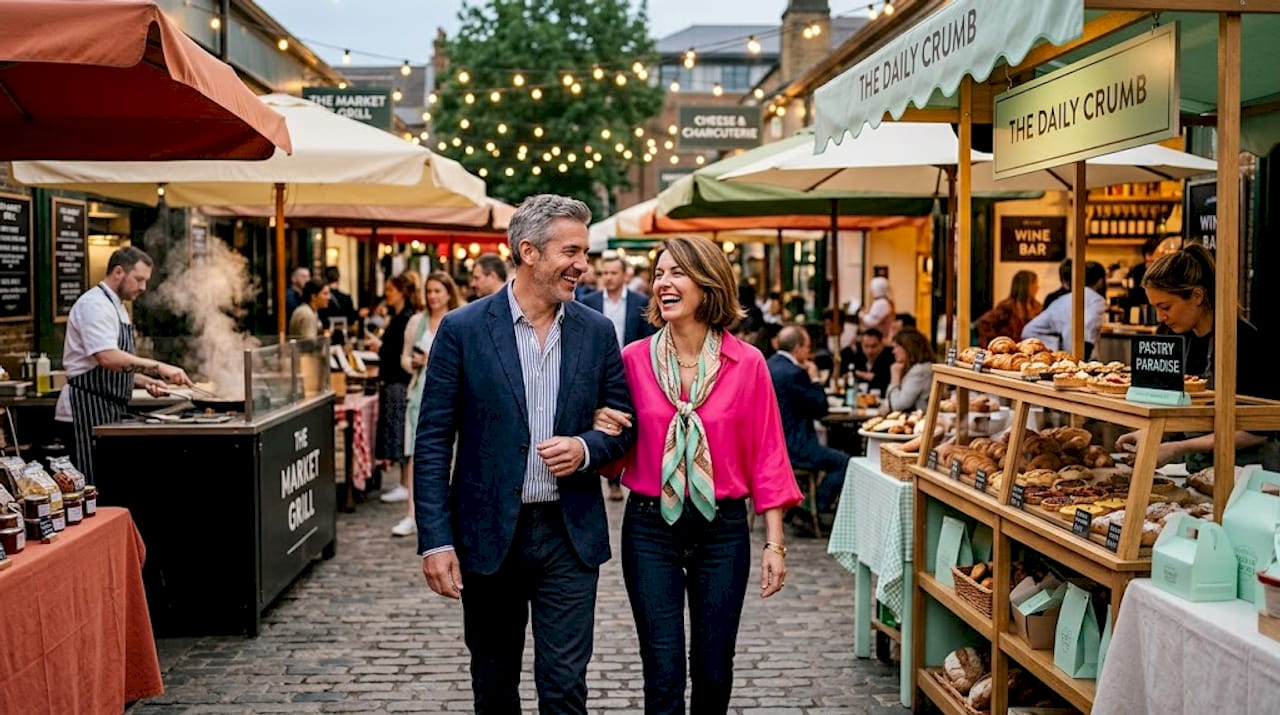
Whether you’re planning your first serious gourmet trip or you’ve already dined at Michelin-starred tables across three continents, building a solid luxury food destination checklist before you book is the difference between a memorable experience and a frustrating one. The world has no shortage of cities claiming culinary greatness, but the best gourmet destinations in 2026 require more than a quick Google search to uncover. This guide gives you a framework grounded in Michelin criteria, timing intelligence, and destination-specific insight so you can plan with confidence.
Table of Contents
- Key takeaways
- 1. Your luxury food destination checklist: the criteria that matter
- 2. Venice: a renaissance worth booking now
- 3. Amalfi Coast: where the view competes with the plate
- 4. Wrocław: the most underrated city on this list
- 5. The Dolomites: alpine cuisine at its most refined
- 6. Saudi Arabia and the Philippines: two emerging scenes to watch
- 7. Comparing top destinations at a glance
- 8. Planning your luxury culinary trip: timing and tactics
- My honest take on building a food travel checklist
- Take your culinary travel further with Davidsguide
- FAQ
Key takeaways
| Point | Details |
|---|---|
| Use Michelin as your filter | Stars, Bib Gourmand, and Keys are reliable signals for quality across restaurants and hotels. |
| Book early in 2026 | Reservations get harder and prices rise once a destination gains spotlight attention. |
| Look beyond famous names | Emerging scenes like Wrocław and Cebu offer high-caliber dining without the crowds or cost. |
| Match destination to your palate | Coastal, alpine, and urban food cultures each deliver a fundamentally different experience. |
| Pair dining with luxury logistics | Private aviation and curated hotel stays transform a good food trip into a great one. |
1. Your luxury food destination checklist: the criteria that matter
Before you start browsing high-end restaurant lists, you need a clear set of filters. Not every city with a famous chef deserves a transatlantic flight. The Michelin Guide spans 140+ countries and uses a consistent annual rating system, making it the most credible starting point for any foodie travel checklist.
Here’s what to evaluate before committing to a destination:
- Michelin star count. One star means a very good restaurant. Two means excellent cooking worth a detour. Three means exceptional cuisine worth a special journey. The concentration of starred venues in a city tells you a lot about its culinary depth.
- Bib Gourmand presence. Bib Gourmand distinctions signal high-quality cooking at reasonable prices. A destination rich in Bib Gourmands is one where you can eat brilliantly without spending a fortune at every meal.
- Michelin Keys for hotels. MICHELIN Keys rate hotels on architecture, service, uniqueness, and value. For luxury culinary tours, staying at a Michelin Key property adds consistency to the entire experience, not just the meals.
- Culinary culture and local ingredients. A destination’s food scene should be rooted in something real. Ask whether the cuisine reflects the region’s geography, history, and producers.
- Seasonality. Some destinations peak in summer, others in fall. Timing your visit to match ingredient seasons and local food festivals dramatically improves the experience.
- Reservation difficulty. Some cities require booking months in advance. Others are more accessible. Know this before you plan.
Pro Tip: Set a Google Alert for any destination on your shortlist. New Michelin announcements and hotel openings often signal the exact moment to visit before demand spikes.
2. Venice: a renaissance worth booking now
Venice is not just a backdrop for gondola photos. The city is experiencing a genuine luxury dining renaissance, with new hotel openings and a growing roster of Michelin-starred restaurants making 2026 an ideal window before prices climb further.
Venice currently offers 62 Michelin-listed restaurants, including multiple starred venues and Bib Gourmands. The cuisine leans heavily on the Adriatic: soft-shell crab, spider crab, and razor clams prepared with a restraint that lets the ingredients lead. The city’s narrow calli and canal-side tables create an atmosphere that no other food city can replicate.
Visit in spring or early fall to avoid the summer crush. Book your top tables at least three months out.
3. Amalfi Coast: where the view competes with the plate
The Amalfi Coast has long attracted luxury travelers, but its dining scene is now matching its scenery. The region is home to 71 Michelin Guide restaurants, including a three-star venue, and new upscale train services are making the coastline more accessible without sacrificing the sense of exclusivity.
The cuisine here is built on lemons, fresh pasta, grilled fish, and buffalo mozzarella sourced from farms just inland. Dining at a cliffside table above the Tyrrhenian Sea while eating a perfectly executed spaghetti alle vongole is the kind of fine dining experience that photographs cannot do justice.
Shoulder season visits in May or October offer better availability and more reasonable prices at the top properties.
4. Wrocław: the most underrated city on this list
If your gourmet travel guide still doesn’t include Wrocław, Poland, you’re missing one of Europe’s most exciting emerging food cities. Wrocław has 22 Michelin-listed restaurants, including several Bib Gourmands, and its chefs are doing genuinely interesting work with Central European ingredients and techniques.
The city offers the rare combination of high-caliber cuisine and low reservation difficulty. You can walk into conversations with chefs that would be impossible in Paris or Tokyo. The price tier is also considerably lower, meaning your budget stretches further without any compromise on quality.
For travelers who want exclusive food experiences without the crowds, Wrocław deserves a top spot on your 2026 list.
5. The Dolomites: alpine cuisine at its most refined
The Dolomites represent a category of luxury culinary travel that often gets overlooked: the alpine experience. The region’s restaurants draw on mountain cheeses, cured meats, wild herbs, and game to create menus that feel completely unlike anything you’d find at a coastal or urban venue.
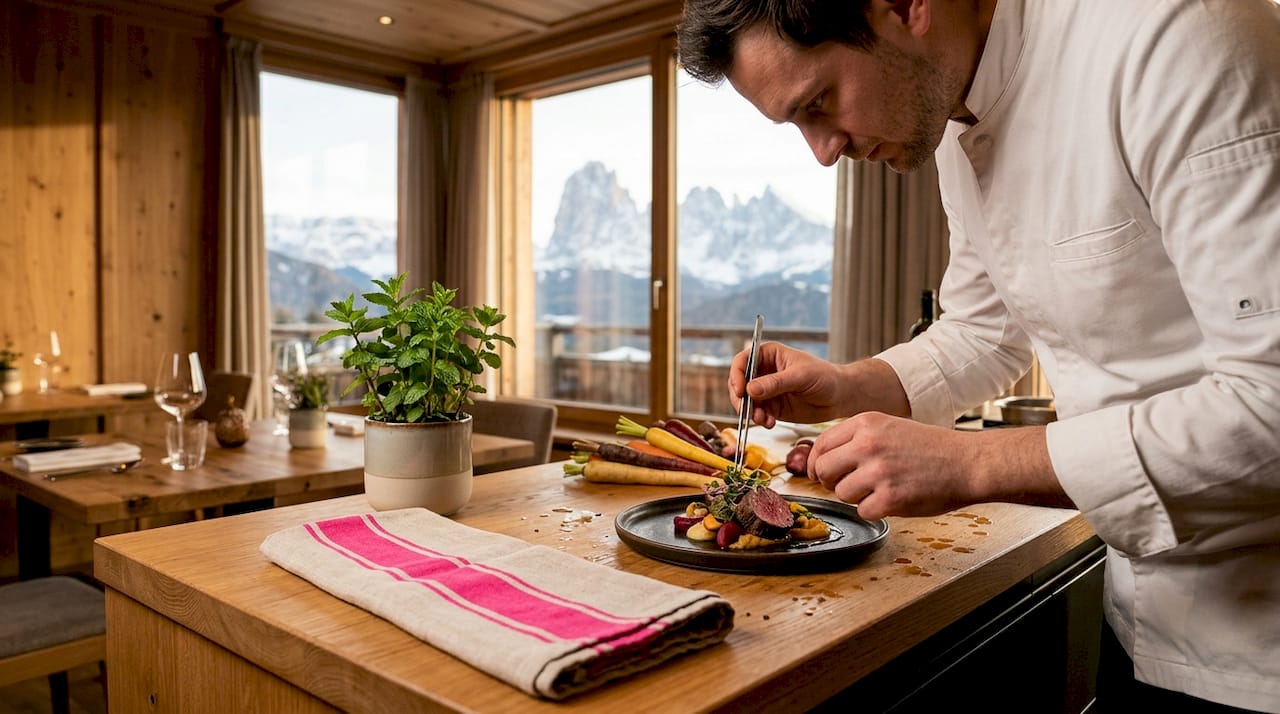
Several Michelin-starred restaurants here have earned their stars for precisely this reason. The cuisine is hyper-local, seasonal, and deeply tied to place. Pair a tasting menu with a ski day or a summer hike and you have a full-sensory experience that no city break can replicate.
Winter visits align best with the region’s culinary identity, though summer offers its own appeal with terrace dining and foraging-focused menus.
6. Saudi Arabia and the Philippines: two emerging scenes to watch
The Michelin Guide’s 2026 destination highlights include two destinations that signal a genuine shift in where luxury culinary culture is growing: Saudi Arabia and the Philippines, particularly Cebu.
Saudi Arabia’s dining scene has expanded rapidly following Vision 2030 reforms. Riyadh and Jeddah now host restaurants drawing international talent alongside chefs reviving traditional Arabian cuisine with modern technique. The exclusivity factor is high, and the novelty of being among the first wave of serious food travelers to visit adds its own appeal.
Cebu in the Philippines offers something different: a cuisine rooted in pork, seafood, and vinegar-based flavors that is finding new expression in refined settings. The city’s food scene is young, ambitious, and still affordable. Visit now before the Michelin spotlight fully arrives.
Pro Tip: For emerging destinations, follow local food journalists and Instagram accounts before you book. They surface new openings weeks before international publications catch up.
7. Comparing top destinations at a glance
Use this table as a quick reference when building your high-end restaurant list and deciding where to focus your travel budget.
| Destination | Michelin restaurants | Price tier | Reservation difficulty | Best season | Culinary focus |
|---|---|---|---|---|---|
| Venice | 62 | High | Moderate | Spring, Fall | Adriatic seafood |
| Amalfi Coast | 71 | High | High | May, October | Coastal Italian |
| Wrocław | 22 | Moderate | Low | Year-round | Central European |
| The Dolomites | Multiple starred | High | Moderate | Winter, Summer | Alpine, regional |
| Cebu, Philippines | Emerging | Low-Moderate | Low | November to April | Seafood, pork |
| Saudi Arabia | Growing | High | Moderate | October to March | Arabian, international |
“Food reflects broader cultural and tourism shifts; upcoming events and new hotel openings often herald prime moments for destination visits.” — Michelin Guide editorial insight
8. Planning your luxury culinary trip: timing and tactics
The single most important thing Michelin says about 2026 food travel is this: book early. Once a destination earns spotlight attention, reservations become scarce and prices rise fast. That’s not a vague warning. It’s a pattern tied to specific catalysts like new guide launches, major sporting events, and hotel openings.
Here’s how to plan with precision:
- Identify your destination first, then build the restaurant list. Too many travelers do this backwards, booking a flight to chase a single restaurant. A destination with depth gives you more options if your first-choice reservation falls through.
- Sync your visit with culinary events. Food festivals, harvest seasons, and chef collaborations create experiences that go beyond a standard tasting menu. Research what’s happening in your destination during your travel window.
- Book your top table the moment reservations open. Most high-end restaurants open their books 30 to 90 days in advance. Set a calendar reminder and treat it like a ticket sale.
- Pair dining with a Michelin Key hotel. Staying at a property that shares the same commitment to quality as your restaurant choices creates a coherent experience. Your hotel concierge at a Michelin Key property will also have relationships with local restaurants that can help with otherwise impossible reservations.
- Consider luxury travel tips for logistics. How you arrive matters. Private aviation removes the friction of commercial travel and lets you build a tighter, more flexible itinerary around your dining schedule.
Pro Tip: If you’re targeting multiple destinations in one trip, use a hub-and-spoke model. Base yourself in one city with strong Michelin density and take day trips to nearby regions rather than moving hotels every two nights.
My honest take on building a food travel checklist
I’ve spent years refining what I actually look for in a luxury food destination, and the lesson I keep relearning is this: chasing famous restaurant names alone is a recipe for disappointment. You fly across the world, secure a table at a three-star institution, and find that the meal was technically flawless but emotionally flat. The setting, the service, the surrounding neighborhood, none of it connected.
What I’ve found actually works is treating the destination as the primary unit of evaluation. The restaurant is the centerpiece, but the food market you visit that morning, the wine bar you stumble into that evening, the producer you meet at a farm-to-table lunch, those are the moments that define a great culinary trip.
I’m also more excited about emerging scenes than I used to be. Wrocław and Cebu are not consolation prizes for travelers who couldn’t get a Paris reservation. They are genuinely thrilling food cities with chefs doing work that feels alive rather than polished. The Michelin Guide’s 2026 list reflects this shift, and I think it’s the most useful signal the guide has produced in years.
Use Michelin as a filter, not a fixed itinerary. Then add your own taste, your own curiosity, and your willingness to book before everyone else does.
— David
Take your culinary travel further with Davidsguide
At Davidsguide, we believe that how you get there is as much a part of the luxury experience as where you eat. A three-star dinner in Venice deserves more than a delayed connection through a crowded hub airport. That’s why we cover the full picture of high-end travel, from curated destination guides to the private aviation options that give you the flexibility to build your trip around your table, not the other way around.
If you’re planning a serious food trip in 2026, explore our guide to XOJET private aviation for on-demand flights that align with your dining schedule. For those who want the most flexible options in the market, our coverage of NetJets luxury travel breaks down fractional ownership and jet card programs that serious culinary travelers use to move between destinations without compromise. And if you want to make every element of your city stops count, our guide on making city breaks luxurious covers the details that separate a good trip from an exceptional one.
FAQ
What makes a destination qualify for a luxury food checklist?
A destination qualifies when it combines a meaningful concentration of Michelin-rated restaurants, strong local culinary culture, and quality accommodation options. The Michelin Guide’s annual ratings across 140+ countries provide the most consistent benchmark for this evaluation.
How far in advance should I book for top gourmet destinations in 2026?
Book as early as possible, ideally three to six months ahead for starred restaurants in high-demand cities. Michelin explicitly notes that reservations become harder and prices rise once a destination gains wider attention.
Is Wrocław worth visiting for luxury dining?
Yes. Wrocław has 22 Michelin-listed restaurants and offers a genuinely high-caliber dining scene at a lower price point than most Western European cities. It’s one of the best options for travelers who want quality without the crowds.
What is a Michelin Key and why does it matter for food travel?
A Michelin Key is the guide’s rating for hotels, evaluated on service, architecture, uniqueness, and value. Staying at a Michelin Key property complements your dining itinerary and often gives you access to concierge connections that help secure difficult restaurant reservations.
Can emerging destinations compete with established fine dining cities?
Absolutely. Destinations like Cebu and Saudi Arabia are producing genuinely exciting cuisine that established cities cannot replicate. The novelty, affordability, and energy of an emerging food scene often deliver a more memorable experience than a technically perfect meal in an oversaturated market.
Recommended
- How to Make Your Next City Break Truly Luxurious – David’s Guide
- Luxury Travel Tips – How To Elevate Your Next Vacation – David’s Guide
- Blog – David’s Guide
- XOJET Aviation: A Comprehensive Look at Luxury Private Jet Travel – David’s Guide
Article generated by BabyLoveGrowth
