
Status symbols were once luxury cars, designer fashion, and anything else that would signal financial success. Have these traditional markers of wealth disappeared? Not exactly, but values are changing, and therefore purchasing decisions are also evolving.
Today’s consumers are getting more interested in how products are sourced, how experiences are delivered, and what impact their choices have on the environment. Sustainability has become part of a broader definition of quality, authenticity, and long-term value.
This shift is influencing industries ranging from jewelry to travel. As sustainable initiatives are gaining more and more momentum, it’s clear that environmental responsibility is no longer separate from a luxury lifestyle. In many cases, it is becoming a central element of it.
Sustainable Jewelry
Traditionally, rarity and exclusivity were the primary selling points in jewelry, but things are changing. Consumers want transparency and ethical sourcing.
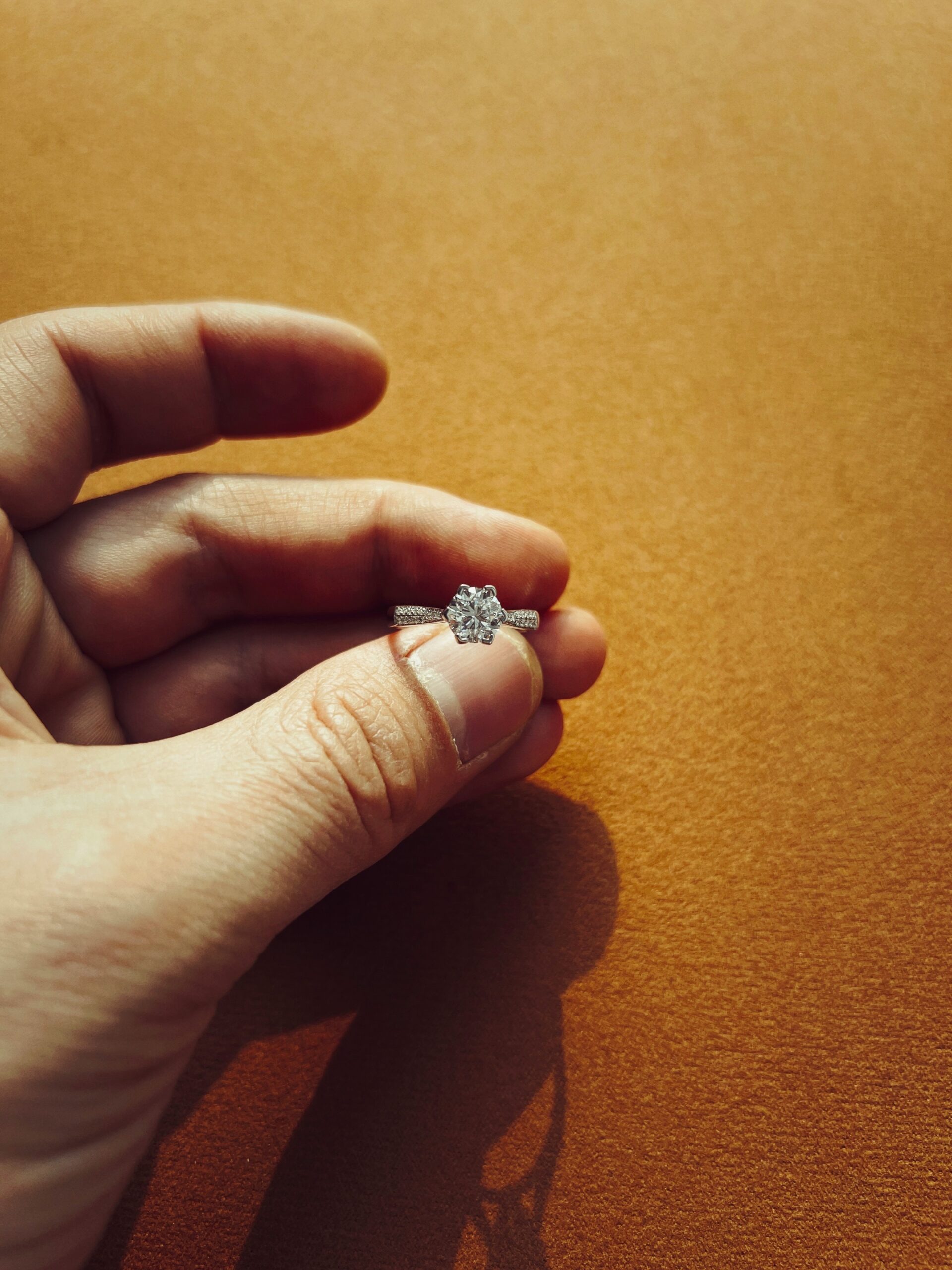
In fact, the growth of the lab-grown diamond market illustrates this trend. The global artificial diamond market is projected to reach $59.2 billion by 2032. This highly reflects the increasing consumer interest in alternatives that offer the same physical and chemical properties as mined diamonds, while reducing some of the environmental and ethical concerns associated with traditional extraction.
Ultimately, sustainability can be part of the jewelry experience, and it includes knowing:
- Materials origins
- Manufacturing processes
- Brands values
Interestingly, younger generations tend to prioritize responsible consumption more than older generations. However, more and more Gen X and even Boomers are looking into sustainable jewelry too.
Luxury Experiences
Why buy an item when you can live an experience? The epitome of luxurious experiences is the travel industry. The luxury travel market is constantly growing, following the drive in demand for personalized experiences, exclusive accommodations, and meaningful engagement. In fact, the global luxury travel market is estimated to exceed $2.7 trillion by 2030. To put it into perspective, this is the equivalent of the entire lifetime net valuation of Microsoft.
This is divided into a variety of sub-segments, each representing a specific type of travel, such as wellness tourism, which is the fastest-growing segment.
In other words, consumer priorities are changing, and affluent consumers prefer investing in memorable experiences rather than accumulating more possessions. Experiences that connect to personal growth and wellbeing are some of the most memorable and meaningful for this audience.
How does this relate to sustainable luxury? Because more and more wealthy travelers are making the choice of selecting eco-conscious destinations and tourism initiatives that align with their values.
Sustainable Homes
Sustainability also affects the real estate market. More consumers are looking for green features as a priority. In fact, properties that incorporate green building principles are more desirable in the market.
Some of the most in-demand features include:
- Energy-efficient appliances
- Solar power systems
- Smart-home technology
- Water-saving features
- Sustainable building materials
- Etc
The green building market has been growing steadily, and continues to attract more and more buyers every year, even though the initial cost is greater than that of less sustainable properties. Homeowners are actively willing to pay more to reduce their energy costs and their impact on the environment.
This affects luxury property buyers, but the movement is also influencing buyers outside the luxury sphere. Ultimately, environmental awareness is now a part of purchasing decisions across multiple income groups. This is also a sign that homeowners, regardless of their wealth status, are keen to future-proof their property with sustainability as the driving value.
Naturally, for luxury buyers, sustainability enhances the comfort and prestige of the home. An energy-efficient property has practical benefits that reflect a commitment to responsible living.
The Circular Economy
To understand why sustainability has become so influential, it is important to look at the concept of the circular economy.
Traditional consumption tends to follow a linear model. First products are manufactured. Then they are used, and finally they are discarded. In a circular economy, the goal is to reduce waste by extending the lifespan of products and materials through reuse, repair, refurbishing, resale, or recycling.
This may have first been perceived as an approach to reduce costs. But the circular economy strategies are important to both individuals and businesses that are looking for ways to reduce their impact on the environment. It is designed to make more efficient use of the available resources.
Luxury products are well suited to circular-economy principles because they are usually designed for durability. The growing popularity of pre-owned luxury watches and designer resale platforms shows that consumers are willing to embrace products with extended lifestyles.
The same principles also apply beyond fashion and home goods. Industries such as automotive manufacturing, for example, are encouraging responsible auto recycling to help recover valuable metals and reusable components.
Ultimately, for conscious consumers, this is a practical way to align purchasing habits with environmental values.
Redefining Status
It makes no doubt that taking individually, sustainable jewelry, luxury travel, green homes, and circular economy may appear to be separate trends. However, once you start considering them as an ensemble, they can point to a much larger cultural shift.
Ultimately, consumers are given the opportunity to redefine what a luxurious lifestyle looks like. The focus is not exclusively on ownership and wealth accumulation. Now, they place a huge emphasis on transparency and long-term value. In short, luxury is evolving and being reimagined.
In fact, brands that embrace sustainability tend to be rewarded with stronger customer loyalty and greater trust. Consumers are expecting more and more businesses to be transparent about everything from sourcing to environmental impact and corporate responsibility.
Ultimately, as this information becomes more accessible, buyers are becoming better equipped to evaluate the products and services that align with green values.
Sustainability has evolved from being once a niche to turning into a major influence on consumer behavior across all luxury industries. Buyers are seeking options that tick all their boxes, both in terms of quality and green responsibility.
The growth of sustainable luxury markets suggests that this isn’t a passing trend but a real shift in behaviors and mindsets. Today’s consumers are actively rewarding products and services that embrace sustainable values, while also making environmentally conscious decisions at every stage of their products’ life cycle. It is fair to say that the luxury buyers of tomorrow will not have either the time or interest to dedicate to brands that have failed to jump on the sustainability trend.