
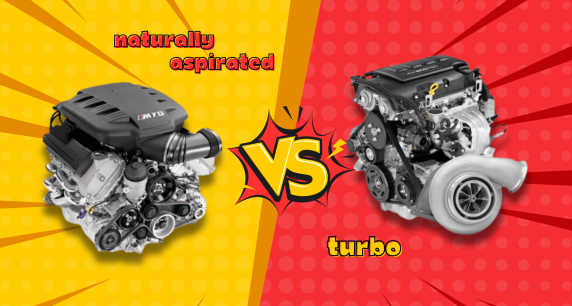
When buying a car, reliability is often one of the most important factors to consider. Modern vehicles are available with two main engine types: turbocharged engines and naturally aspirated engines. While both can deliver excellent performance and efficiency, many drivers wonder which option is more dependable over the long term.
The debate over turbocharged vs naturally aspirated engines for reliability has become increasingly relevant as automakers continue to downsize engines and add turbochargers to improve fuel economy and power output. Understanding the differences between these engine types can help you make a smarter purchasing decision.
In this guide, we’ll compare turbocharged and naturally aspirated engines, examine their reliability, maintenance requirements, lifespan, and help determine which is the better choice for long-term ownership.
What Is a Naturally Aspirated Engine?
A naturally aspirated (NA) engine relies solely on atmospheric pressure to draw air into the combustion chamber. There is no turbocharger or supercharger forcing additional air into the engine.
This traditional design has been used for decades and remains popular in many reliable vehicles.
Advantages of Naturally Aspirated Engines
- Simpler mechanical design
- Lower maintenance requirements
- Predictable power delivery
- Fewer components that can fail
- Generally lower repair costs
Because there are fewer moving parts, naturally aspirated engines are often viewed as more durable over time.
What Is a Turbocharged Engine?
A turbocharged engine uses a turbocharger to compress incoming air before it enters the combustion chamber. More air allows more fuel to burn, producing greater power from a smaller engine.
Turbocharging has become common as manufacturers seek to improve fuel efficiency while maintaining strong performance.
Advantages of Turbocharged Engines
- Higher power output
- Better fuel economy in many situations
- Improved torque at lower RPMs
- Smaller engine size with strong performance
- Enhanced driving experience
Turbocharged engines can often outperform larger naturally aspirated engines while consuming less fuel.
How Reliability Differs Between the Two
Reliability depends on design quality, maintenance habits, and driving conditions. However, there are important differences between turbocharged and naturally aspirated engines.
Naturally Aspirated Engines
Naturally aspirated engines generally have fewer components that experience extreme stress.
Since they operate without forced induction, they typically generate:
- Lower internal pressures
- Less heat
- Reduced strain on engine components
These factors often contribute to longer-term durability.
Turbocharged Engines
Turbocharged engines operate under greater stress because the turbocharger increases cylinder pressure and operating temperatures.
Additional components include:
- Turbocharger
- Intercooler
- Extra piping
- Wastegate
- Boost control systems
More parts create more potential failure points over time.
Reliability Comparison Table
| Factor | Naturally Aspirated Engine | Turbocharged Engine |
|---|---|---|
| Mechanical Complexity | Low | High |
| Maintenance Costs | Lower | Higher |
| Heat Generation | Lower | Higher |
| Repair Costs | Lower | Higher |
| Long-Term Durability | Excellent | Good to Excellent |
| Fuel Efficiency | Moderate | Often Better |
| Performance | Moderate | Higher |
| Potential Failure Points | Fewer | More |
Common Problems with Naturally Aspirated Engines
Although naturally aspirated engines are often reliable, they are not completely immune to problems.
Potential issues include:
- Oil leaks
- Timing component wear
- Ignition coil failures
- Carbon buildup
- Cooling system issues
However, repairs are usually simpler and less expensive compared to turbocharged systems.
Common Problems with Turbocharged Engines
Turbocharged engines introduce additional components that require maintenance and may eventually fail.
Common turbo-related issues include:
Turbocharger Wear
The turbocharger spins at extremely high speeds and experiences intense heat.
Potential problems:
- Bearing wear
- Oil starvation
- Turbo seal failure
Intercooler Issues
Intercoolers can develop:
- Leaks
- Cracks
- Reduced cooling efficiency
Carbon Buildup
Many modern turbocharged engines use direct fuel injection, which may increase carbon accumulation on intake valves over time.
Increased Heat Stress
Higher operating temperatures can affect:
- Hoses
- Gaskets
- Sensors
- Cooling system components
Proper maintenance is essential to minimize these risks.
Which Engine Lasts Longer?
Historically, naturally aspirated engines have often demonstrated greater longevity.
Reasons include:
- Simpler design
- Lower operating stress
- Fewer components
- Easier maintenance
Many naturally aspirated engines regularly exceed 200,000 miles (320,000 kilometers) with proper care.
However, modern turbocharged engines have improved significantly in durability. When maintained correctly, many turbocharged engines can also achieve very high mileage.
The difference in lifespan today is often smaller than it was decades ago.
Maintenance Requirements
Naturally Aspirated Engines
Maintenance is generally straightforward:
- Regular oil changes
- Spark plug replacement
- Air filter replacement
- Coolant maintenance
These engines are typically more forgiving if maintenance schedules are occasionally delayed.
Turbocharged Engines
Turbocharged engines require more attention.
Recommended practices include:
- Frequent oil changes
- High-quality synthetic oil
- Proper engine warm-up
- Cooling down after hard driving
- Regular inspection of turbo components
Neglecting maintenance can significantly shorten turbocharger life.
Fuel Economy Comparison
One reason manufacturers increasingly use turbocharged engines is improved efficiency.
Naturally Aspirated Engines
Advantages:
- Consistent fuel consumption
- Simpler fuel system
Disadvantages:
- Larger engines often consume more fuel
Turbocharged Engines
Advantages:
- Better fuel efficiency under light loads
- Smaller displacement engines
Disadvantages:
- Fuel economy may decrease during aggressive driving
Real-world fuel savings depend heavily on driving habits.
Best Choice for Long-Term Ownership
For drivers prioritizing reliability above all else, naturally aspirated engines often remain the safest choice.
Ideal for:
- High-mileage ownership
- Budget-conscious drivers
- Lower maintenance costs
- Long-term durability
Turbocharged engines may be better for drivers who want:
- Stronger performance
- Better acceleration
- Improved fuel efficiency
- Modern driving characteristics
The best option depends on your priorities.
Popular Reliable Naturally Aspirated Engines
Examples of highly regarded naturally aspirated engines include:
- Toyota 2.5L Dynamic Force Engine
- Honda K-Series Engines
- Toyota V6 Engines
- Mazda Skyactiv-G Engines
- Lexus Naturally Aspirated V6 Engines
These engines are often praised for their longevity and low maintenance costs.
Popular Reliable Turbocharged Engines
Several turbocharged engines have also earned strong reputations.
Examples include:
- Ford EcoBoost 2.7L V6
- BMW B58 Inline-Six
- Volkswagen EA888 Engine
- Honda 1.5 Turbo
- Hyundai Smartstream Turbo Engines
Proper maintenance plays a major role in their long-term reliability.
Which Engine Is Better for Daily Driving?
For most commuters, both engine types can perform well.
Choose a Naturally Aspirated Engine If:
- Reliability is your top priority
- You prefer simpler maintenance
- You plan to keep the vehicle for many years
- You want lower repair costs
Choose a Turbocharged Engine If:
- You enjoy strong acceleration
- You value higher torque
- You want a smaller but more powerful engine
- You are willing to follow strict maintenance schedules
Conclusion
When comparing turbocharged vs naturally aspirated engines for reliability, naturally aspirated engines generally maintain a slight advantage due to their simpler design, lower operating stress, and reduced maintenance demands. They often offer lower repair costs and exceptional long-term durability.
However, modern turbocharged engines have become far more reliable than earlier generations. With proper maintenance, many can provide excellent longevity while delivering superior performance and improved fuel efficiency.
Ultimately, if maximum reliability and simplicity are your priorities, a naturally aspirated engine remains the safer long-term choice. If you desire stronger performance and are committed to regular maintenance, a turbocharged engine can be an excellent investment as well.
Frequently Asked Questions (FAQs)
Are naturally aspirated engines more reliable than turbocharged engines?
Generally, yes. Naturally aspirated engines have fewer components and operate under less stress, which can contribute to greater long-term reliability.
Do turbocharged engines wear out faster?
Not necessarily. Modern turbocharged engines can last a long time when maintained properly, but they typically have more components that may require repair over time.
Which engine type is cheaper to maintain?
Naturally aspirated engines usually have lower maintenance and repair costs due to their simpler design.
Can a turbocharged engine last over 200,000 miles?
Yes. Many modern turbocharged engines can exceed 200,000 miles with proper maintenance and high-quality oil changes.
Why do manufacturers use turbocharged engines?
Turbochargers help increase power and improve fuel efficiency while allowing automakers to use smaller engines.
Which is better for long-term ownership?
For drivers focused primarily on reliability and lower ownership costs, naturally aspirated engines are often the preferred choice.