
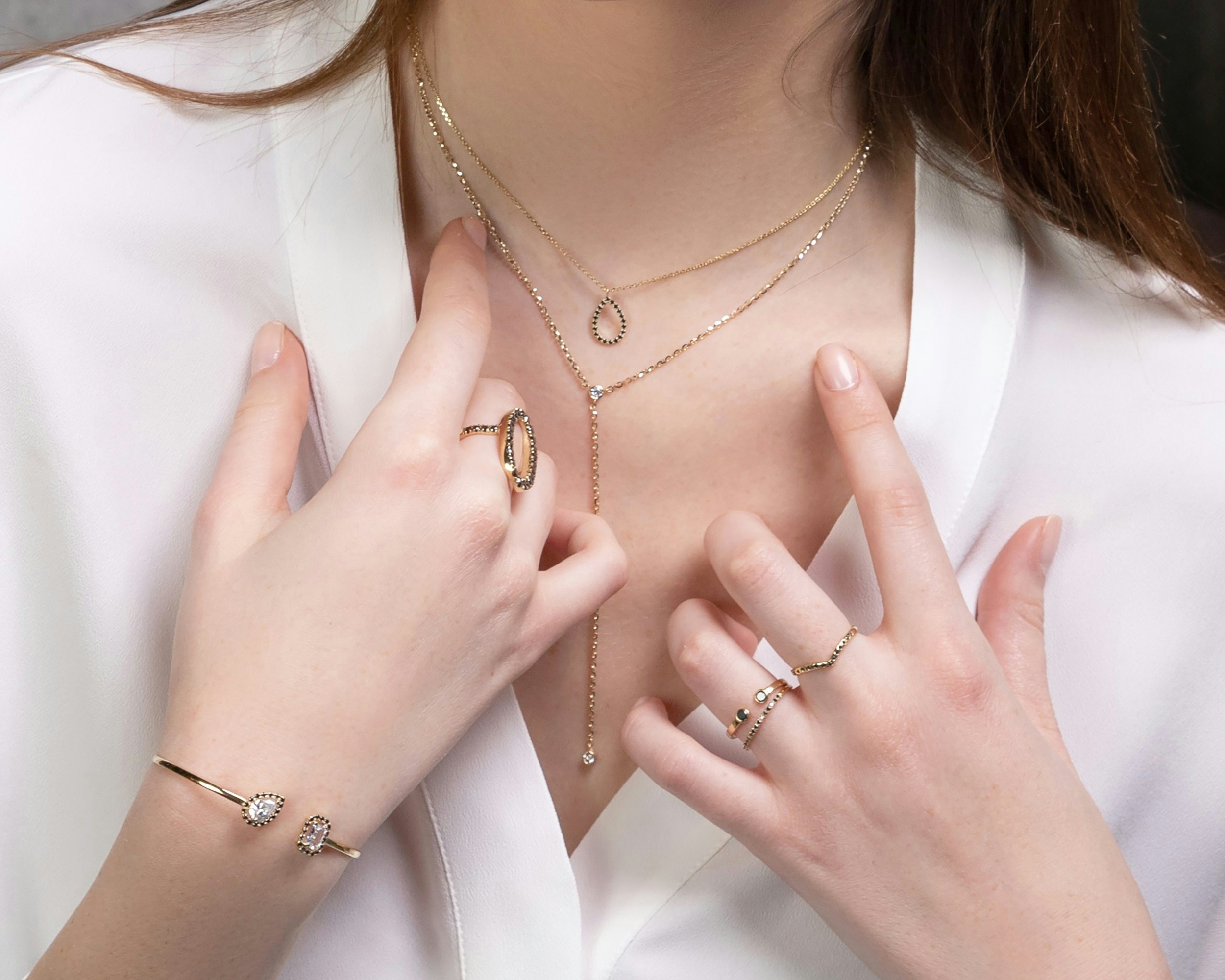
Fine jewelry is moving out of the safe deposit box and is becoming part of the modern wealth portfolio for investors.
It’s also something that most people can get involved with nowadays, rather than just being for high-net-worth individuals. It’s not just a personal, occasional luxury, but it acts as a critical hedge against economic volatility.
Investment jewelry is a tangible asset. It’s portable and, as proven for many years, is historically resilient. It offers a unique blend of aesthetic pleasure and wealth preservation for those who invest in it.
Here are a few ways in which high-end jewelry has become a wealth strategy for many.
The Power of Tangible and Portable Wealth
A lot of physical assets will often tend to hold or increase their value during times of high inflation and stock market instability.
Unlike real estate or bulky art collections, millions of wealth can be transported across borders in a single pocket or briefcase.
Precious metals and top-tier gemstones act as a universal currency and is recognized globally. It’s also a type of asset that doesn’t rely on digital banking systems.
Scarcity and the Premium on Rarity
There’s a diminishing supply of Earth’s natural reserves of untreated rubies and investment-grade colored diamonds. These are rapidly depleting, and as such, this adds a premium to the price tags. The rarer they become, the more valuable they are.
Pieces from heritage houses like Cartier or Harry Winston also carry an automatic premium that is likely to continue increasing over time.
Having jewelry with a documented history, celebrity ownership, or royal lineage is often something that routinely outperforms the standard market assets when taken to auction.
The Rise of the “Wearable Asset” Mentality
Unlike a stock certificate or a gold bar, for example, luxury jewelry is something that delivers both emotional and social utility. Whilst doing so, the underlying value matures.
Having a wearable asset is one that is also influenced by the millennial generation. Younger, affluent buyers are actively driving the market, prioritizing vintage revival pieces and sustainable asset classes as well as circular luxury.
Fine jewelry is also a great way to be tax-efficient. It’s a mechanism that helps pass wealth down to heirs without any complex legal friction to contend with.
Key Rules for Building a Jewelry Portfolio
It’s good to be aware of what you’re buying and to know what to ask for before you spend your money. Never buy any investment-grade pieces without receiving rigorous grading reports from respected labs. Buying from legitimate places like Lords of Luxury is better than randomly coming across what you think is the real deal online or in-person. Always do your research.
You should focus on the big three when it comes to investment. These are high-quality rubies, sapphires and emeralds, alongside any rare coored diamonds in order to get the best growth potential possible.
Be sure to look for vintage items that feature original settings and stones. Alterations can often instantly slash the auction value.
Invest in High-End Jewelry as a Wealth Strategy
Investing in high-end jewelry is one that perfectly bridges the gap between personal luxury and financial prudence. Start treating your investments in jewelry more seriously, just like you would with any traditional financial investment.