
In 2000, every veteran photographer on the Teen Choice Awards red carpet was shooting $10,000 film bodies.
I showed up with a 2.1MP Nikon Coolpix 950.
Picture the scene. The year 2000. Digital photography barely exists as a profession — nobody on a red carpet shoots digital yet. The press line is a wall of film cameras, motor drives chewing through rolls, assistants standing by with fresh canisters. Every frame costs money. Every frame has to wait — for the lab, for the scan, for the overnight rush.
And then there’s me: 17 years old, holding a camera the size of a paperback that the pros treat like a toy.
The pitch that started it all
I hadn’t talked my way onto that carpet with a press pass and a prayer. I’d won a Scholastic national writing competition, and I used it as my calling card to pitch Seventeen Magazine on covering the show.
Here’s the part the film guys couldn’t do: I walked up to their editor and showed her instant previews right on my LCD screen. The photo, seconds after I took it, glowing on the back of the camera. In 2000, that was close to magic.
They hired me on the spot as their official digital photographer.
The 56k night
While the film shooters were rushing their rolls to overnight labs, my shots were already moving. That same night, they transmitted across a 56k dial-up modem — straight from the show to the magazine.
Think about that. The veterans had better glass, bigger budgets, and decades of experience. I had a 2.1-megapixel sensor and a phone line. And I beat them on the only metric that mattered that night: speed.
The frames
The carousel from that night says the rest. Beyoncé in a yellow lace dress. Britney Spears laughing in a fringed top. The August 2000 issue of Seventeen — the cover that started it all — sitting in the middle of the story like a trophy.
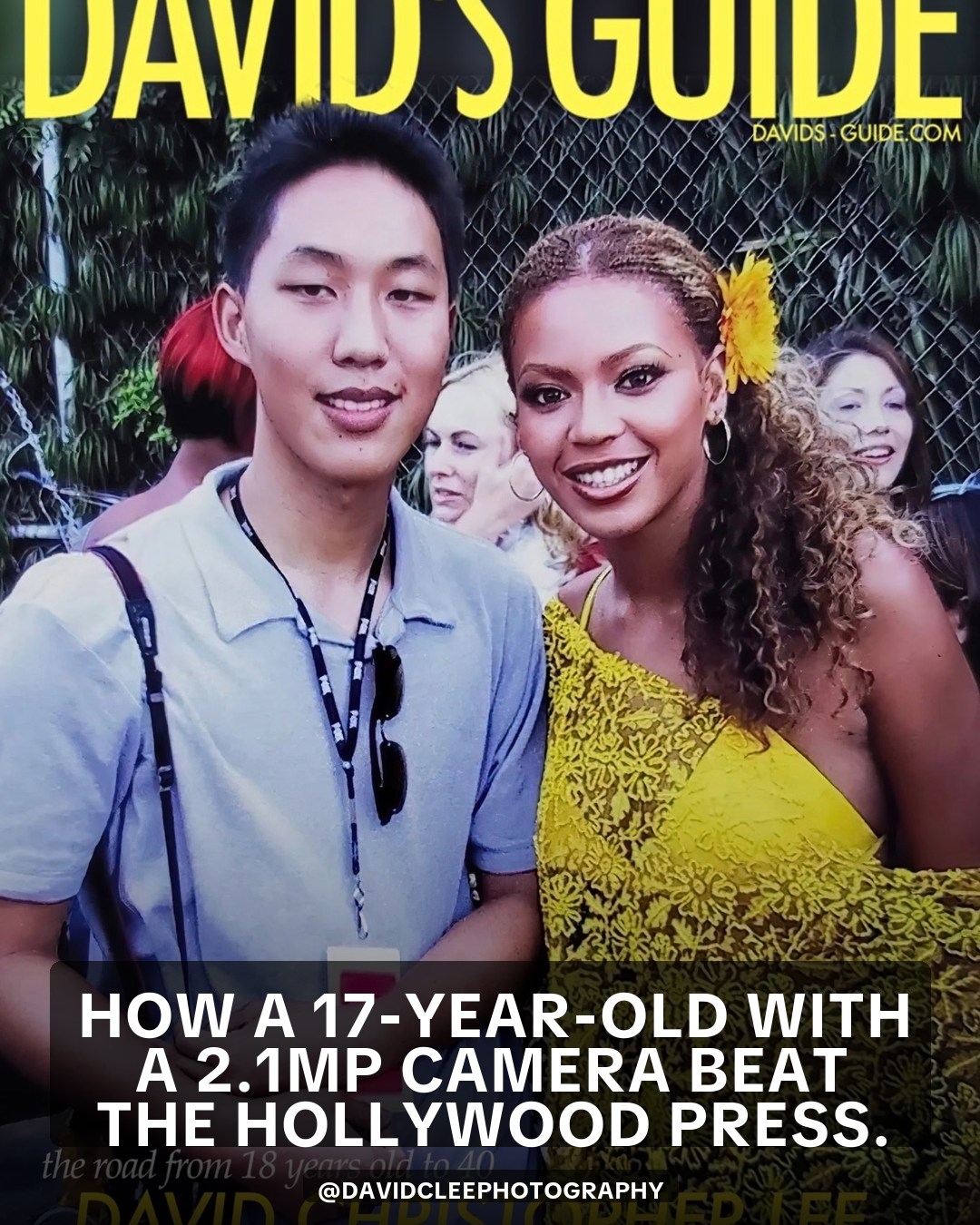
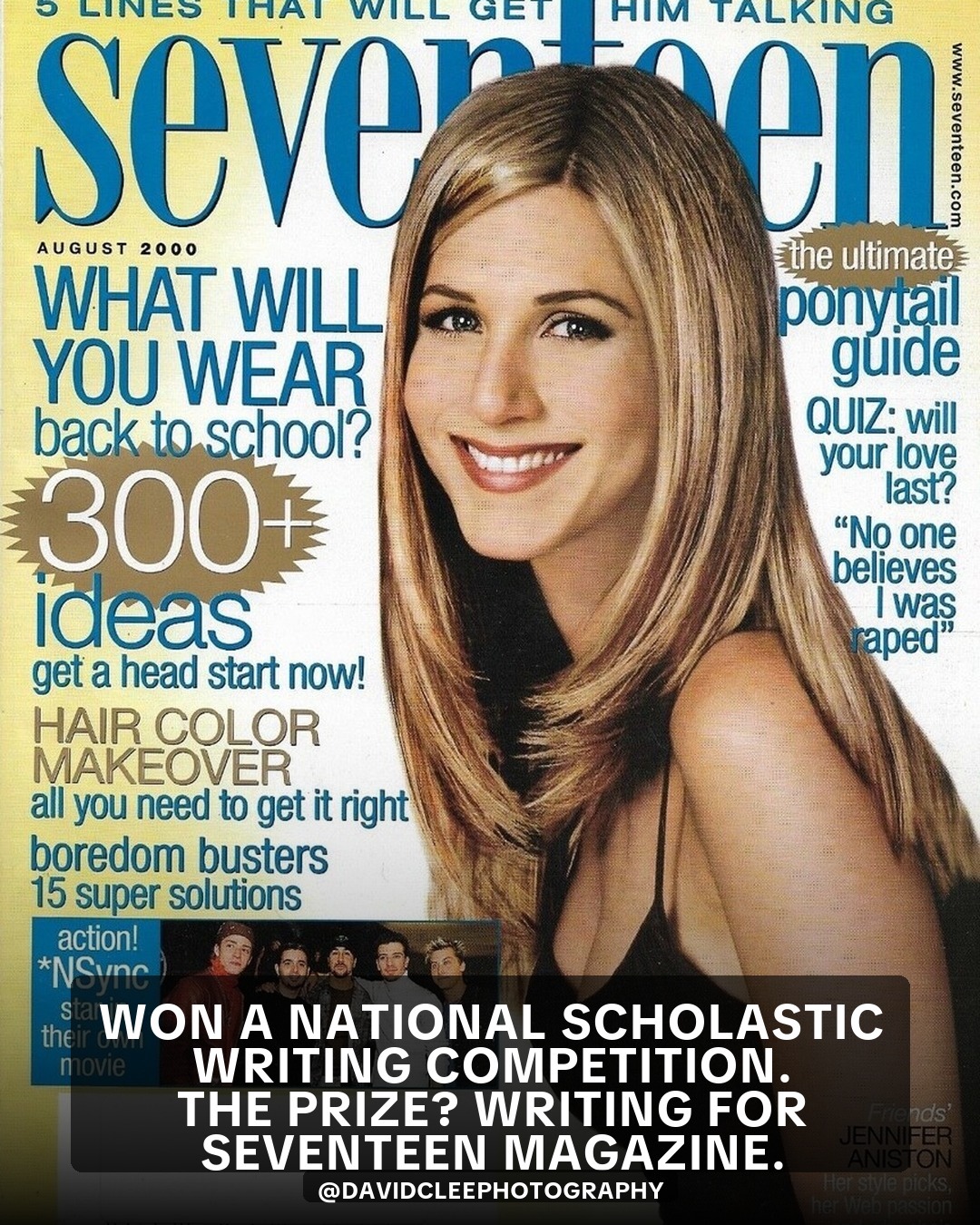

Those frames ran. The film guys’ frames ran days later.
Hunger photographs better than talent
Here’s the lesson I still carry onto every set, 27 years later:
Hunger photographs better than talent. Speed and early tech beat legacy every time.
The camera doesn’t care what it cost. The editor doesn’t care what the veterans think. The only question is whether you saw the opening — the LCD screen, the dial-up line, the thing nobody else was doing yet — and had the nerve to walk through it.
Technical breakdown
For the gearheads who want to know exactly what beat $10,000 film bodies that night:
- Camera: Nikon Coolpix 950
- Sensor: 2.1 megapixels
- The edge: a rear LCD screen showing instant previews — unheard of on a red carpet in 2000
- Transmission: 56k dial-up modem, same night, while film was still in lab envelopes
Two megapixels. One phone line. Zero waiting.
Related reading: The Day I Photographed Ella Beatty at a Backyard Dollhouse Tea Party — another frame from the archive that waited years to become history. And the full story of the career it launched: Celebrity Photographer Los Angeles: 27 Years of Portraits. Portfolio and bookings: dclee.net
Frequently Asked Questions
Q: What camera did David Christopher Lee use at the 2000 Teen Choice Awards?
A: A 2.1-megapixel Nikon Coolpix 950 — while every veteran on the red carpet was shooting $10,000 film bodies.
Q: How did a 17-year-old get hired by Seventeen Magazine?
A: He won a Scholastic national writing competition, pitched Seventeen on covering the show, and demonstrated instant previews on his camera’s LCD screen. Nobody shot digital yet — they hired him on the spot as their official digital photographer.
Q: Why was shooting digital such an advantage in 2000?
A: Film photographers had to rush rolls to overnight labs and wait days. His digital frames transmitted the same night over a 56k dial-up modem — speed beat legacy equipment.
Q: Who did he photograph at the 2000 Teen Choice Awards?
A: His frames from that night include Beyoncé in a yellow lace dress and Britney Spears laughing in a fringed top, among other stars of the era.
Q: What’s the lesson for photographers today?
A: Hunger photographs better than talent. Speed and early adoption of new tech beat expensive legacy gear every time — spot the opening nobody else sees and walk through it.
