
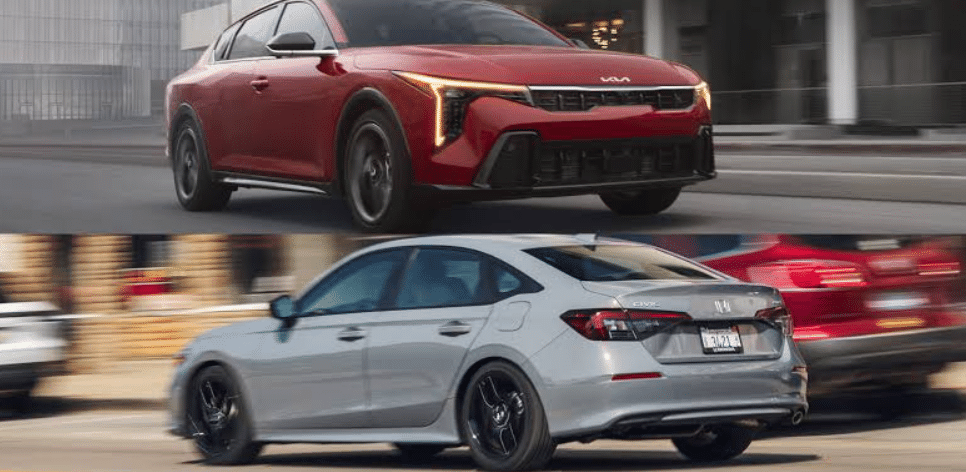
City driving can be expensive when fuel consumption is high. Frequent traffic jams, repeated stops, short trips, and constant acceleration can cause a car to use more fuel than it would on an open highway. For people who commute every day, choosing a fuel-efficient vehicle can make a noticeable difference to monthly running costs.
The best fuel efficient cars for city driving are usually lightweight hatchbacks, compact sedans, and hybrid vehicles. They combine efficient engines with compact dimensions, making them easier to drive and park in busy urban areas.
Whether you’re looking for an affordable first car or a comfortable vehicle for your daily commute, there are several options worth considering.
What Makes a Car Fuel Efficient for City Driving?
Fuel economy depends on more than engine size. The vehicle’s weight, transmission, driving style, traffic conditions, air-conditioning use, and engine technology can all affect fuel consumption.
When choosing a city car, consider:
-
Engine efficiency: Smaller and modern engines can use less fuel.
-
Vehicle weight: Lightweight cars generally require less energy to move.
-
Hybrid technology: Hybrids can be particularly efficient in stop-and-go traffic.
-
Transmission: Automatic and continuously variable transmissions can make urban driving easier while maintaining efficient operation.
-
Compact dimensions: Smaller vehicles are easier to maneuver and park.
-
Maintenance costs: A fuel-efficient car should also be affordable to maintain.
-
Air-conditioning performance: In hot climates, efficient air-conditioning is important because frequent AC use can affect fuel economy.
Best Fuel Efficient Cars for City Driving
| Car | Type | Best For | Typical City Fuel Economy* |
|---|---|---|---|
| Suzuki Alto | Hatchback | Budget commuters | Around 18–22 km/L |
| Toyota Aqua | Hybrid hatchback | Maximum city efficiency | Around 20–25 km/L |
| Daihatsu Mira | Compact hatchback | Small-car buyers | Around 18–24 km/L |
| Suzuki Cultus | Hatchback | Small families | Around 16–19 km/L |
| Toyota Yaris | Compact sedan | Comfortable commuting | Around 13–16 km/L |
| Honda City | Compact sedan | Families and commuters | Around 13–15 km/L |
| Toyota Corolla Cross Hybrid | Hybrid SUV | Families wanting efficiency | Around 18–22 km/L |
| Toyota Prius | Hybrid hatchback | High-mileage drivers | Around 20–25+ km/L |
*Actual mileage varies depending on traffic, driving habits, vehicle condition, weather, air-conditioning use, and road conditions.
1. Suzuki Alto
The Suzuki Alto is a popular choice for drivers who want an affordable and economical city car.
Its small engine and lightweight construction make it well suited to urban commuting. Its compact dimensions are another advantage because the car can fit into smaller parking spaces and maneuver through narrow streets more easily than larger vehicles.
For someone who spends most of their time driving in busy city traffic, the Alto can provide a practical combination of low fuel consumption, affordable maintenance, and easy maneuverability.
Its biggest limitation is interior space. It may be ideal for an individual or small family but can feel cramped when carrying several passengers.
2. Toyota Aqua
The Toyota Aqua is a hybrid hatchback that can be particularly efficient in urban conditions.
Hybrid vehicles have an advantage in stop-and-go traffic because the electric motor can assist the petrol engine and regenerative braking can recover energy while slowing down. This makes hybrid technology especially useful for city commuters.
The Aqua also has a relatively compact footprint, making it easier to use in crowded urban environments.
Used examples are common in some markets, but buyers should carefully inspect the hybrid battery and overall mechanical condition before purchasing.
3. Daihatsu Mira
The Daihatsu Mira is another compact vehicle that can make sense for city driving.
Its small engine and lightweight design help keep fuel consumption low. The compact dimensions also make it easy to park and maneuver through congested streets.
Imported Mira models can vary considerably in condition, specification, and history. If you’re buying a used example, check its documentation, mileage, maintenance history, and mechanical condition carefully.
4. Suzuki Cultus
For drivers who want more space than a small 660cc hatchback provides, the Suzuki Cultus can be a useful alternative.
It remains compact enough for city driving while providing additional interior space for passengers and luggage. Its engine is also designed around economical everyday transportation.
The Cultus can therefore appeal to small families and commuters who want a balance between fuel economy and practicality.
5. Toyota Yaris
The Toyota Yaris is a good option for buyers who prefer a sedan rather than a small hatchback.
Its larger body provides more passenger and luggage space while remaining relatively manageable in city traffic. The Yaris can also be suitable for drivers who regularly combine urban driving with longer highway journeys.
Although it may not match a small hatchback or hybrid for fuel economy, it provides a useful compromise between efficiency, comfort, and practicality.
6. Honda City
The Honda City is another compact sedan worth considering for fuel-conscious city drivers.
Its efficient engine and relatively compact dimensions make it suitable for commuting, while the sedan body provides useful trunk space. This can be particularly valuable for families who need to carry groceries, luggage, or other items.
For buyers who want a city car that can also handle occasional longer trips, the Honda City offers a practical middle ground.
7. Toyota Corolla Cross Hybrid
Drivers who want the space and seating position of an SUV without giving up fuel efficiency can consider a hybrid crossover.
The Toyota Corolla Cross Hybrid combines a petrol engine with electric assistance, making it particularly suitable for urban driving. Its larger interior makes it more practical for families than many small hatchbacks.
The trade-off is purchase price. A hybrid SUV can cost significantly more than a basic hatchback, so buyers should calculate how much fuel they expect to save over the vehicle’s ownership period.
8. Toyota Prius
The Toyota Prius is one of the best-known hybrid vehicles for fuel-conscious drivers.
Its hybrid powertrain is particularly well suited to urban driving, where frequent braking and acceleration allow the system to make effective use of electric assistance and regenerative braking.
For people with long daily commutes, the fuel savings can potentially offset the higher purchase price of a hybrid.
Used Prius buyers should pay particular attention to battery condition, service history, and the overall condition of the vehicle.
Why Hybrid Cars Can Be Excellent for City Driving
Hybrid vehicles can have a significant advantage in urban environments.
A conventional petrol car generally wastes some energy during braking because the vehicle’s kinetic energy is converted into heat through the brakes. A hybrid can recover some of this energy through regenerative braking and store it in the battery.
At low speeds, the electric motor can also assist or sometimes move the vehicle without relying entirely on the petrol engine.
This is why hybrid vehicles can be particularly efficient in traffic-heavy cities.
However, hybrids are not automatically the cheapest choice. Their purchase price, battery condition, maintenance requirements, and availability of qualified technicians should all be considered.
How to Improve Your Car’s Fuel Economy
You can improve fuel economy regardless of which car you drive.
Avoid unnecessary rapid acceleration and heavy braking. Maintain a steady speed whenever traffic conditions allow and avoid leaving the engine running unnecessarily while parked.
Other useful habits include:
-
Keep tires properly inflated.
-
Follow the recommended maintenance schedule.
-
Replace dirty air filters when required.
-
Avoid carrying unnecessary weight.
-
Use the air conditioner sensibly.
-
Keep the engine properly tuned.
-
Plan routes to avoid unnecessary congestion when possible.
-
Avoid aggressive acceleration from traffic lights.
-
Combine multiple short errands into one trip.
Small changes in driving habits can make a meaningful difference over thousands of kilometers.
Small Car vs. Hybrid for City Driving
A small petrol car can be cheaper to purchase, maintain, and repair, while a hybrid can potentially deliver greater fuel savings.
For example, someone with a short daily commute may save enough fuel with a small hatchback that paying extra for a hybrid does not make financial sense.
On the other hand, someone who spends hours every day in heavy traffic may benefit more from a hybrid’s urban fuel efficiency.
The right choice depends on your annual mileage, budget, fuel prices, and expected ownership period.
How to Choose the Right Fuel Efficient City Car
Start by calculating how many kilometers you drive each month. A person who drives 500 kilometers monthly has very different fuel requirements from someone who drives 2,000 kilometers.
Next, compare the purchase price with expected fuel savings. Don’t focus exclusively on the advertised fuel average because real-world results can vary.
Also consider maintenance, insurance, tires, resale value, and spare-parts availability.
Finally, think about your daily environment. A tiny hatchback may be ideal for crowded streets, while a sedan or hybrid SUV may be more practical if you regularly carry passengers and luggage.
Final Thoughts
The best fuel efficient cars for city driving combine economical engines, practical dimensions, and manageable ownership costs.
The Suzuki Alto and Daihatsu Mira are appealing options for buyers who prioritize compact size and low running costs. The Toyota Aqua and Toyota Prius offer the advantages of hybrid technology, particularly in stop-and-go traffic. Meanwhile, the Suzuki Cultus, Toyota Yaris, and Honda City provide a balance between fuel economy and everyday practicality.
For families who want more space, a hybrid crossover such as the Toyota Corolla Cross Hybrid can offer an alternative to traditional SUVs.
Before buying, consider your daily mileage, traffic conditions, budget, passenger requirements, and maintenance costs. The car with the highest advertised fuel economy isn’t necessarily the cheapest vehicle to own. A well-maintained car that fits your lifestyle and driving habits can provide better value over the long term.
FAQs About Fuel Efficient Cars for City Driving
What is the most fuel efficient car for city driving?
Small hybrids can provide excellent fuel economy in urban traffic. Models such as the Toyota Aqua and Toyota Prius are designed to make effective use of electric assistance and regenerative braking.
Are small cars better for city driving?
Small cars are often well suited to cities because they are easier to park, maneuver, and operate in narrow or congested streets. Their lower weight can also contribute to better fuel economy.
Are hybrid cars better in traffic?
Hybrids can be particularly efficient in stop-and-go traffic because they can use electric assistance at low speeds and recover energy during braking.
Is a 660cc car good for city driving?
A 660cc car can be an excellent choice for urban driving when most journeys involve one or two passengers. Its compact engine and lightweight body can help reduce fuel consumption, although performance and cabin space are more limited.
Does air conditioning reduce fuel economy?
Yes. Running the air conditioner places additional demand on the vehicle and can increase fuel consumption. The effect varies depending on the car, weather, temperature, and driving conditions.
How can I get better fuel mileage in city traffic?
Maintain proper tire pressure, avoid aggressive acceleration, reduce unnecessary idling, keep up with maintenance, and drive smoothly. Planning routes and combining errands can also reduce unnecessary mileage.
Is a sedan or hatchback more fuel efficient?
Fuel economy depends on the specific vehicle rather than the body style alone. Many hatchbacks are lightweight and efficient, but some compact sedans can provide excellent fuel economy as well.
Should I buy a hybrid or petrol car?
A hybrid may make more sense if you drive frequently in heavy traffic and cover many kilometers each month. A conventional petrol car may be more economical to purchase and maintain for drivers with lower annual mileage.