
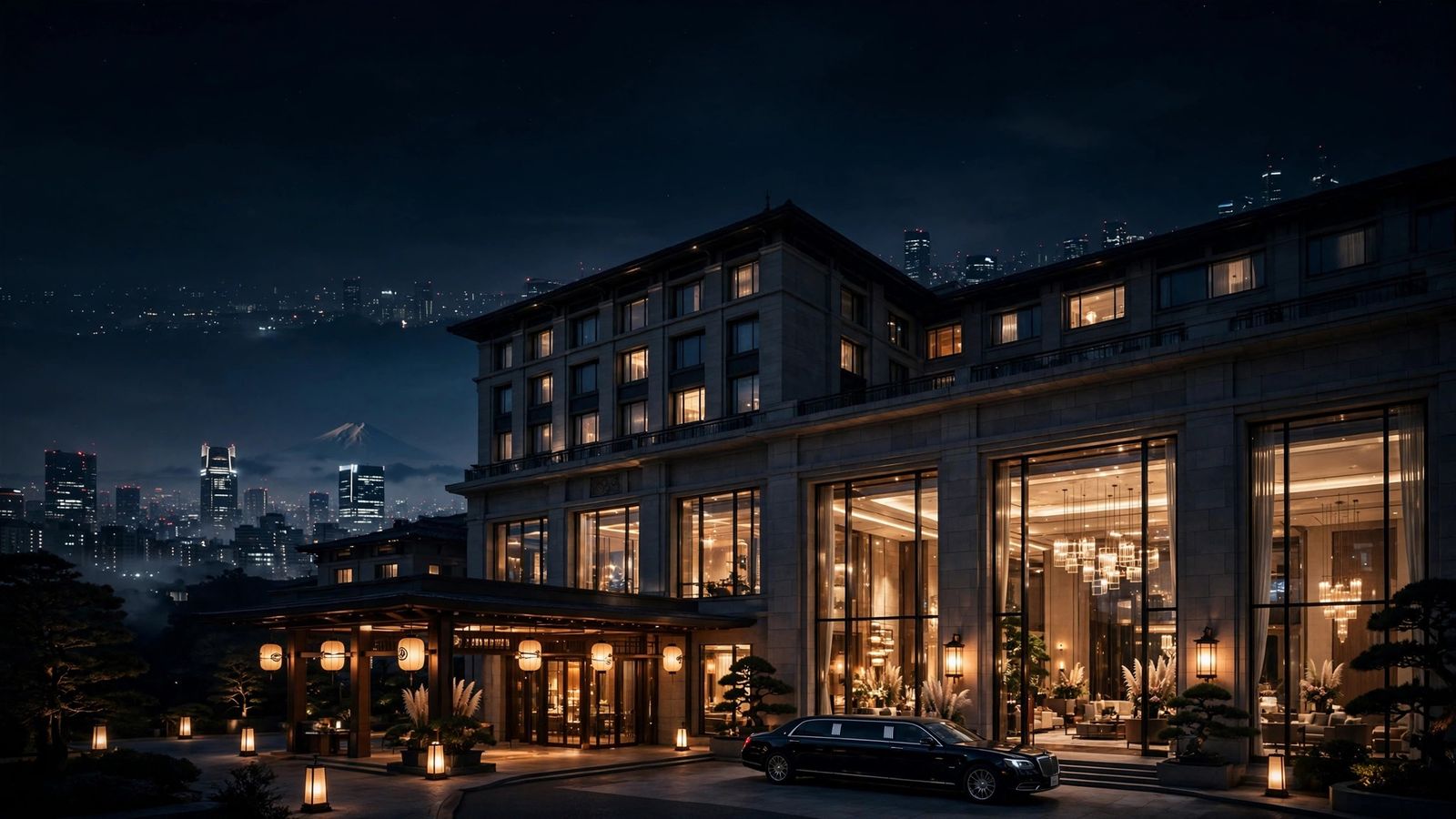
If you are searching for the best luxury hotels in Tokyo, you are chasing one of the great pleasures in modern travel. Few cities do luxury hospitality at Tokyo’s level. The rooms are bigger than you would expect for Japan, the service culture is unmatched, and the top properties pair Japanese restraint with the kind of detail that only makes sense once you have stood in the lobby at night and felt it. This guide ranks the ten addresses that matter most for 2026, from the serene heights of Otemachi to the skyline bars of Shinjuku, with neighborhoods, standout features, and the booking notes that actually help.
In This Guide
- Watch: Park Hyatt vs Conrad vs Four Seasons, tested head-to-head
- The 10 Best Luxury Hotels in Tokyo for 2026
- Which Tokyo Neighborhood Should You Stay In?
- When to Book, and How to Get the Best Rate
- My Take: Reading Tokyo’s Hotels Like a Photographer
- Frequently Asked Questions
Watch: Park Hyatt vs Conrad vs Four Seasons, Tested Head-to-Head
Before the rankings, watch this. The team at The Points Guy | Arrivals put three of Tokyo’s most prestigious hotels through a proper head-to-head test. Three hosts, Madison, Marc, and Nicky, each checked into a different heavyweight, the Park Hyatt Tokyo, the Conrad Tokyo, and the Four Seasons Hotel Tokyo, then compared notes on everything that actually matters in a luxury stay.

What the video covers, in my own words: the hosts settle into their rooms and walk through the in-room amenities with a critical eye, then take stock of each hotel’s standout features and facilities. Things get playful with a room-service challenge between the three, followed by a tour of the restaurants and bars at each property and a room-service breakfast comparison the next morning. The whole thing closes with scored verdicts that rank the three hotels against each other. If you are trying to choose between these three, this is the most honest seventeen minutes you can spend before booking.
The 10 Best Luxury Hotels in Tokyo for 2026
1. Aman Tokyo, Otemachi
The gold standard. Occupying the top floors of the Otemachi Tower, Aman Tokyo tempers the energy of the city with what its own site calls “a profound atmosphere of serenity.” Interiors draw on classic Japanese design tradition, with washi paper doors, engawa platforms, and natural materials like wood and stone, and the 30-metre swimming pool is a genuine showpiece. It sits moments from the Imperial Palace Gardens with five subway lines at Otemachi station, so this is the pick when you want calm at the center of everything. The Aman Spa and the ryokan-style room layouts make it feel less like a hotel and more like a private residence above the city.
2. Bvlgari Hotel Tokyo, Yaesu
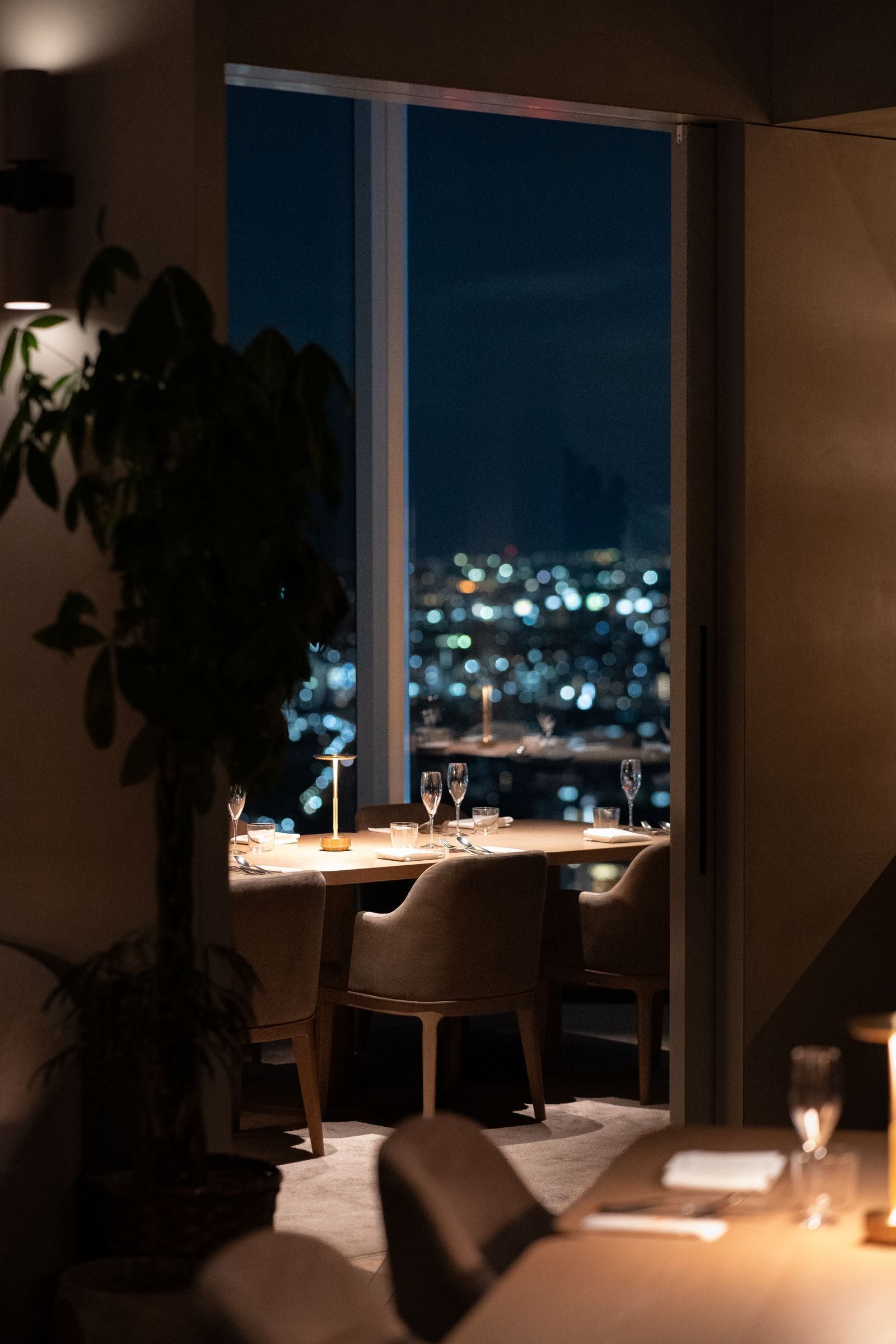
Italian glamour meets Japanese precision. Spread across the 40th to 45th floors of the Tokyo Midtown Yaesu skyscraper, the Bvlgari Hotel Tokyo holds 98 rooms and suites with sweeping skyline views, plus a 25-metre indoor pool wrapped in floor-to-ceiling glass and an 1,800-square-metre spa. The dining is the headline: Il Ristorante – Niko Romito has held a Michelin star for three consecutive years since opening, and Sushi Hoseki and The Bvlgari Bar round out one of the strongest hotel food-and-drink lineups in the city. Walk to the Imperial Palace, Nihombashi, or Ginza in minutes. Choose this one for scene, style, and the best-dressed lobby crowd in Tokyo.
3. Four Seasons Hotel Tokyo at Otemachi
The flagship for travelers who want the newest of the new. Opened in 2020 atop the Otemachi One tower, this is the Four Seasons at its most cinematic: rooms and suites with floor-to-ceiling views across the Imperial Palace gardens, a 39th-floor rooftop pool, and PIGNETO, a standout Italian restaurant. The service is the polished, anticipatory Four Seasons standard, and the location puts the Marunouchi business district and Tokyo Station within easy reach. (The brand also runs a smaller, 57-room boutique property at Marunouchi, steps from Tokyo Station, for travelers who prefer intimacy over spectacle.)
4. Park Hyatt Tokyo, Shinjuku
The legend, reborn. This is the hotel made famous by Lost in Translation, occupying the top floors of Kenzo Tange’s Shinjuku Park Tower since 1994. It closed in May 2024 for an 18-month renovation and officially reopened on December 9, 2025, with 171 reworked guestrooms and suites, a restored New York Grill and Bar, the Peak Lounge and Bar with bamboo landscaping, and a new restaurant, Girandole, from Alain Ducasse. Rooms start around 50 square metres, which is exceptionally spacious by Japanese standards, and on clear mornings Mount Fuji appears outside the windows. For first-timers who want the classic Tokyo high-rise fantasy, this is the one.
5. Conrad Tokyo, Shiodome
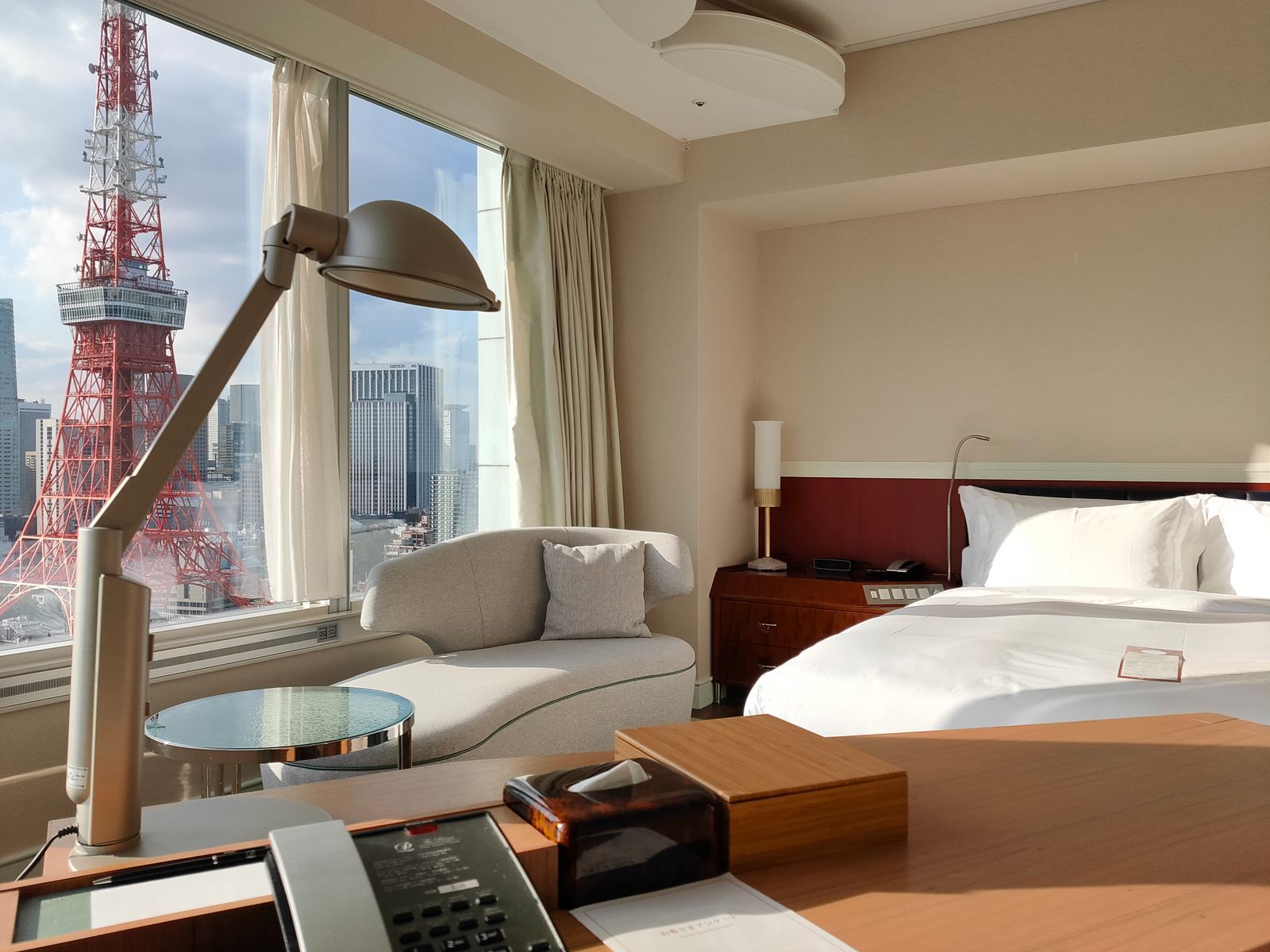
The view hotel. Set in Shiodome’s sleek business district, the Conrad’s rooms look out over Hamarikyu Gardens and Tokyo Bay, and the 28th-floor lobby lounge is one of the best arrival experiences in the city. The property has held its own against newer openings with strong dining (including the China Blue restaurant and the TwentyEight bar) and service that consistently ranks among the city’s friendliest. Pick this when the view out the window matters as much as the thread count.
6. Mandarin Oriental Tokyo, Nihonbashi
Quiet power in the financial district. Occupying the top floors of the Nihonbashi Mitsui Tower, the Mandarin Oriental is famous for its sense of arrival: you step off the elevator on the 38th floor into a vast lobby with one of the great city panoramas in Tokyo. The spa is superb, the service is famously meticulous, and the Nihonbashi location puts you at the historic heart of old Tokyo, with Ginza a short ride away. A favorite of repeat visitors who have done the big-name circuit and want refinement without noise.
7. The Okura Tokyo, Toranomon
The icon, rebuilt. The original Okura, opened in 1962, was a mid-century modernist masterpiece beloved by architects and diplomats alike. The rebuilt property, which opened in 2019, carefully recreates the original’s signature details, the geometric lobby motifs, the orchid-adorned rooms, while adding two modern towers with 508 rooms, excellent dining, and some of the most gracious service in Japan. Stay here for heritage and for the feeling of being inside a piece of design history.
8. The Ritz-Carlton, Tokyo, Roppongi
The sky-high flagship. Rising above Tokyo Midtown in Roppongi, the Ritz-Carlton’s lobby sits on the 45th floor, and the rooms climb higher still, with views that stretch to Mount Fuji on clear days. It is grand in the classic Ritz-Carlton manner, marble, chandeliers, the works, but with a Japanese discipline underneath it. The club level is among the best in the city, and the location in Roppongi keeps you close to the National Art Center, top galleries, and late-night dining.
9. Palace Hotel Tokyo, Marunouchi
The address with the best front yard in Tokyo. Directly across from the Imperial Palace gardens and their moat, the Palace Hotel reopened in 2012 with 290 rooms, many of them facing the greenery and water. Wadakura, its Japanese restaurant, is a destination in its own right, and the Evian Spa and the rooftop views over the palace make this a favorite for travelers who want Tokyo’s most serene panorama without leaving the city center.
10. Imperial Hotel Tokyo, Hibiya
The grand dame. Opened in 1890 and a landmark of Japanese hospitality history, the Imperial Hotel sits in Hibiya, steps from Ginza and the palace. It is the classic choice for travelers who value legacy: impeccable, old-school service, a storied lobby, and a sense of occasion that newer hotels cannot manufacture. Note that the main building is being rebuilt as part of the Tokyo Cross Park project, so check which wing you are booking, but the hotel remains open and the welcome remains unmistakable.
Which Tokyo Neighborhood Should You Stay In?
Tokyo is a city of villages, and your neighborhood shapes the trip more than almost anything else. Here is the short version:
- Otemachi / Marunouchi: the calm, central power center. Aman Tokyo, Four Seasons Otemachi, Palace Hotel Tokyo, and the Four Seasons at Marunouchi all sit here. Best for business, first-timers, and anyone who wants the Imperial Palace gardens as a front yard.
- Shinjuku: neon, energy, nightlife. The Park Hyatt Tokyo anchors the west side. Best for first-timers who want the electric Tokyo of the movies, with easy train access everywhere.
- Shiodome / Ginza: polished and convenient. The Conrad Tokyo and the Bvlgari Hotel Tokyo are here. Best for shopping, fine dining, and a slightly more grown-up pace.
- Roppongi: galleries, museums, and late nights. The Ritz-Carlton, Tokyo is the address. Best for art lovers and night owls.
- Nihonbashi / Toranomon: old Tokyo and the new business core. Mandarin Oriental Tokyo and The Okura Tokyo. Best for repeat visitors and design lovers.
If you only remember one rule: stay near a major Yamanote Line station (Tokyo, Shinjuku, or Shibuya-adjacent), and the whole city opens up.
When to Book, and How to Get the Best Rate
Tokyo’s top luxury hotels rarely discount deeply, but timing still matters. The sweetest windows are late January through March (before cherry-blossom season) and June (the rainy season, when demand dips). October and November, with the autumn foliage, and the year-end holidays are the priciest stretches. If you would rather travel in the sweet spot, see my roundup of luxury fall getaways. Book directly with the hotel or through a Virtuoso or Amex Fine Hotels advisor: at this tier, the breakfast credits, room upgrades, and early check-in that come through those channels are worth more than any coupon. And always email the concierge before you arrive. A short note about the occasion, the anniversary, the birthday, the first trip to Japan, is how upgrades and small surprises actually happen.
My Take: Reading Tokyo’s Hotels Like a Photographer
I will admit my bias up front. I am an Aman junkie. My book has a whole chapter on the hotel that changed my life, Amanfayun in Hangzhou, a 200-year-old Chinese village the Aman Hotel Group saved from the bulldozer and turned into a sanctuary where a tai chi master came to my villa each morning and I drank the best tea of my life at a traditional ceremony. Once a property makes you feel something that specific, you never look at hotels the same way again.
My connection to Japan runs deeper than travel. When I was starting out, I interned at the Rafu Shimpo, the bilingual Japanese newspaper in downtown Los Angeles, where I typed up handwritten articles and eventually wrote and shot for them. That newsroom taught me to see the Japanese aesthetic, the restraint, the respect for materials, the way empty space is a design choice, long before I ever photographed a luxury hotel. It is the same visual language I keep finding in the best Tokyo properties: the washi paper, the engawa platforms, the way Aman Tokyo’s lobby uses shadow the way a cinematographer would.
For 27 years I have photographed luxury hotels as part of my work, from the grand European addresses I have covered, like the Intercontinental in Prague and the Imperial in Vienna, to my stay at La Mamounia in Marrakech and the months I spent shooting short films at the private villas of Montego Bay. What separates the great ones is never the thread count. It is light, and how the building holds it. Tokyo’s best hotels understand this better than anyone. The Park Hyatt’s new rooms frame Mount Fuji like a painting. The Bvlgari’s pool is a glass box full of sky. The Okura rebuilt a mid-century landmark because the light in that lobby was worth preserving.
So my advice: when you tour these hotels in your mind, look at the light in the photos, not just the furniture. The properties on this list all pass that test. And if you only do one thing, take the elevator to a high-floor bar at blue hour and watch the city turn on its lights. In my years of shooting skylines, no city does that moment like Tokyo.
Get more like this: if insider guides like this one are useful, join the David’s Guide newsletter. One email, the best of the week, no spam. The signup form is right below this post.
Frequently Asked Questions
Where do celebrities stay in Tokyo, Japan?
The honest answer is that nobody publishes a reliable list. Tokyo’s top hotels are famously discreet about their guests, and hotels here will not confirm who is in house. What you can do is read the privacy signals: private entrances, club-level floors, villas with their own check-in, and a staff culture built on discretion. The addresses with the strongest privacy cachet on this list are Aman Tokyo and the Bvlgari Hotel Tokyo, both designed around seclusion, followed by the Park Hyatt Tokyo, whose Lost in Translation fame and high-floor layout have made it a long-standing favorite of high-profile visitors. If privacy is your priority, start there and ask about the club level when you book.
Which is the most expensive hotel in Japan?
There is no official ranking, and published rates move with the season. But the priciest stays in the country consistently belong to the top suites at a small handful of Tokyo properties: the Aman Suite at Aman Tokyo, the Bvlgari Suite at the Bvlgari Hotel Tokyo, and the grand suites at the Imperial Hotel Tokyo. The largest suites at these addresses can run well into five figures per night. For most travelers, the meaningful comparison is the entry-level room, where even the top tier of this list sits within a few hundred dollars of each other.
What are the best 5-star hotels in Japan?
The most trusted independent yardstick is the Forbes Travel Guide star ratings, which consistently award its top honors to Tokyo’s leading addresses, including Aman Tokyo, the Bvlgari Hotel Tokyo, the Four Seasons properties, and the Mandarin Oriental Tokyo. Beyond the capital, the guide’s top-rated properties cluster in Kyoto (where Aman Kyoto and the Ritz-Carlton Kyoto lead) and in ryokan destinations like Hakone. If you are building a two-city trip, pair three nights in Tokyo from the list above with two nights in Kyoto.
What is the one Tokyo hotel you would book first? Tell me in the comments, I read every one.
