
Ask a cruise forum for the absolute best luxury line and two names dominate the answers: Silversea and Seabourn. Both sit in the top tier alongside Regent Seven Seas and Crystal, both are all-suite, and both carry a few hundred guests. But they are not interchangeable. One is the food-first line with the bigger fleet and the expedition edge. The other is the service-first line with smaller ships and a famously relaxed version of luxury. Here is the head-to-head, category by category, with a verdict by traveler type.
Ship Size and Atmosphere
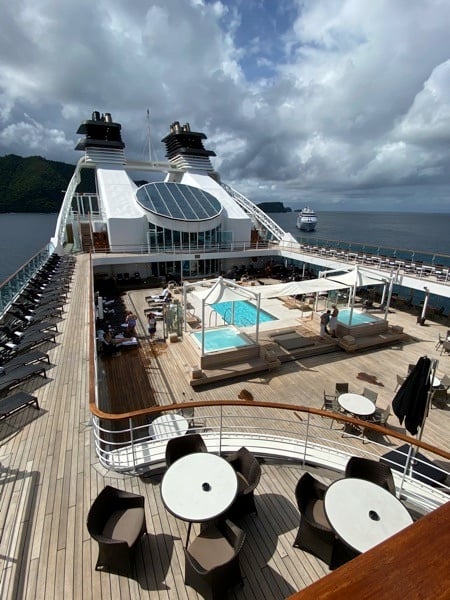
Silversea’s classic fleet runs from the smaller Silver Wind and Silver Shadow (under 400 guests) up to the Muse-class ships Silver Muse, Silver Moon, Silver Dawn, Silver Nova, and Silver Ray, which carry roughly 600 guests. The Nova-class ships introduced an asymmetrical design with glass wrapped around the aft, and they feel noticeably more contemporary than the line’s older tonnage. The fleet also includes expedition ships for the Galapagos, Antarctica, and the Arctic, which matters if polar or expedition cruising is on your list.
Seabourn keeps things smaller and more consistent. Its five classic ships carry 450 to 600 guests, and its two expedition ships, Seabourn Venture and Seabourn Pursuit, run even smaller. The Odyssey-class ships (Odyssey, Sojourn, Quest) are beloved by loyalists for their clubby feel, while Encore and Ovation are the newer, larger flagships.
The atmosphere difference is real. Silversea feels like a very good luxury hotel that happens to float, polished and international. Seabourn feels like a private club where the staff know your name by day two. Travelers who love being recognized and anticipated tend to become Seabourn loyalists for life. Travelers who want more ship to explore, more venues, and more itinerary variety lean Silversea.
Dining: The Biggest Differentiator
This is where the two lines diverge most, and where you should spend the most time deciding.
Silversea arguably has the most ambitious dining program at sea. The S.A.L.T. (Sea and Land Taste) program builds menus around the region you are sailing, with a dedicated S.A.L.T. Kitchen restaurant, a S.A.L.T. Lab test kitchen, and S.A.L.T. Bar drinks program. Atlantide serves steaks and seafood, La Terrazza does Italian, and there are casual standouts like Spaccanapoli for pizza and Hot Rocks, where you cook your own meal on volcanic stone at the table.
The pain point, and it is a genuine one, is the surcharge structure. La Dame, the Relais and Chateaux French restaurant, carries a cover charge of about $60 per person. Kaiseki, the Japanese restaurant, charges around $40 to $60 per person for the evening teppanyaki experience (lunch sushi is typically complimentary). On a line whose fares already sit in the luxury tier, paying extra for the best tables on board irritates a lot of guests, and it comes up constantly in forums. The charges are framed as demand management for intimate venues, but they are surcharges on an expensive ticket, and you should know they exist before you book.
Seabourn takes the opposite approach. Nearly all dining is included with no cover charges, including The Grill by Thomas Keller, the three-Michelin-star chef’s chophouse concept on the Odyssey-class and newer ships. The main dining room serves open-seating dinner, the Colonnade does excellent buffet and themed dinners, and in-suite dining runs around the clock. Seabourn’s food is consistently rated among the best at sea, and the absence of upcharges means you never do the mental math before booking a table.
Verdict on dining: Silversea has more venues and the more destination-driven culinary concept. Seabourn has the more relaxed, no-surcharge experience and the Thomas Keller pedigree. Food-first travelers who do not mind paying for the top tables should lean Silversea. Travelers who want every great meal included in the fare should lean Seabourn.
Service Ratios and Style
Both lines post strong crew-to-guest ratios, roughly 1 crew member for every 1.3 to 1.8 guests depending on the ship. Silversea includes butler service in every suite, a meaningful perk at the entry level that Regent, for comparison, reserves for higher categories.
Seabourn’s service is its legend. The line’s open-bar policy, staff who address you by name, and anticipatory touches (your preferred drink appearing without being asked, excursion staff who remember your pace) are the reason its repeat-guest rate is among the highest in cruising. Some loyalists say the newer, larger ships feel slightly less personal than the smaller Odyssey-class vessels, but even the critics rate Seabourn’s service at the top of the tier.
The style difference: Silversea’s service is polished and professional, like a great hotel. Seabourn’s service is personal and intuitive, like a great club. If you have ever thought “I wish the staff would just remember how I take my coffee,” Seabourn is built for you.
Entertainment
Neither line does big-ship spectacle, and that is deliberate. Silversea offers production shows, classical soloists, cultural entertainment, and the Silver Note jazz supper club. Its expedition ships add expert lectures and enrichment tied to the destination. Seabourn’s entertainment is lower key: cabaret-style shows, live music, enrichment speakers, and the popular “Evening Under the Stars” deck barbecue and dance night.
Silversea has the edge in variety, especially with the S.A.L.T. programming and expedition enrichment. Seabourn has the edge in intimacy. Neither offers Broadway-scale shows, though both classic fleets have small casinos.
Crowd and Demographics
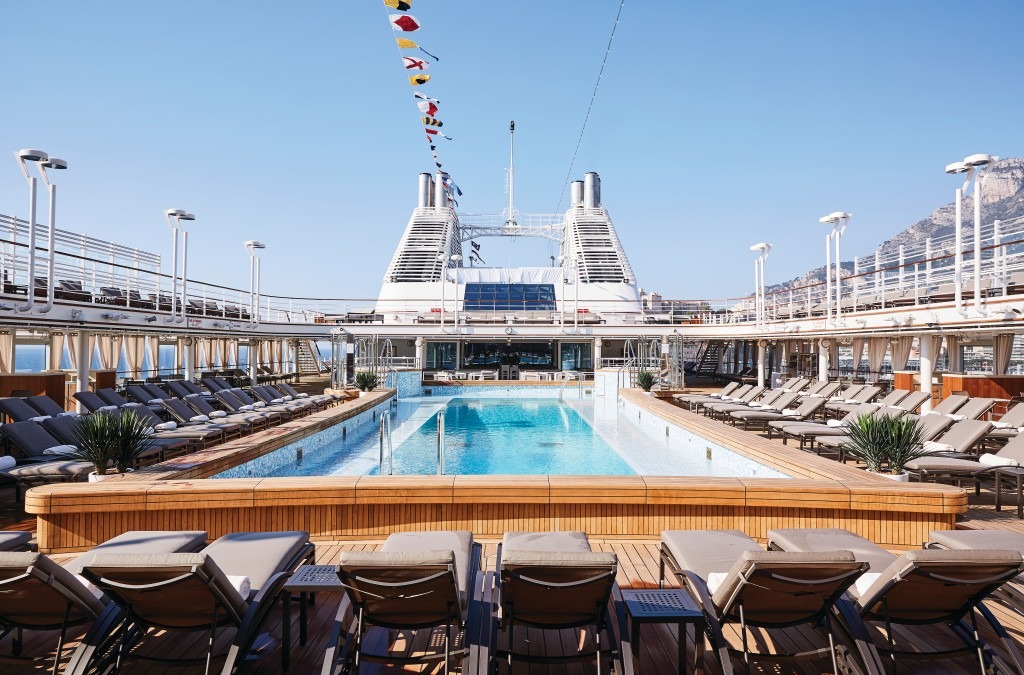
Both lines skew toward well-traveled couples in their 50s to 70s, affluent, and destination-focused. Silversea’s expedition ships and active itineraries (Galapagos, Antarctica) pull a slightly more adventurous crowd on those sailings. Seabourn’s crowd is famously loyal and social, with many repeat guests who treat the ship as a reunion. Neither line is a good pick for young children, though both accept them; families with kids should look elsewhere in the tier.
Smoking Policies and Dress Codes
These are the quiet deal breakers, so let us be precise. Both lines restrict smoking to designated outdoor areas. Silversea permits smoking in specific spots on open decks and in designated areas of certain lounges; Seabourn similarly limits it to marked deck areas. Neither allows smoking in cabins, on private verandas, or in dining venues. If you are sensitive to smoke, both lines are manageable, but confirm the current policy for your ship before booking.
Dress codes are relaxed on both. The standard is elegant casual: slacks and collared shirts, dresses or elegant separates. Neither line does mandatory formal nights. Seabourn designates some evenings as “formal optional,” where a jacket or cocktail dress is welcome but not required. Silversea dropped formal nights years ago in favor of an “elegant casual” standard throughout. If you love dressing to the nines, you can, but nobody will look twice if you do not.
The Tier Context
Regent, Silversea, Seabourn, and Crystal form the top tier of ocean luxury cruising, and the differences between them are matters of emphasis, not quality. One rung down, in the premium-plus space, sit Viking Ocean Cruises (around 930 guests, no children, no casino, strong enrichment), the Ritz-Carlton Yacht Collection, Explora Journeys, and SeaDream Yacht Club (tiny 112-guest yachts with a devoted following). Those lines are excellent and often cheaper, but they are playing a different game on space ratios, crew ratios, and all-inclusiveness.
The Verdict by Traveler Type
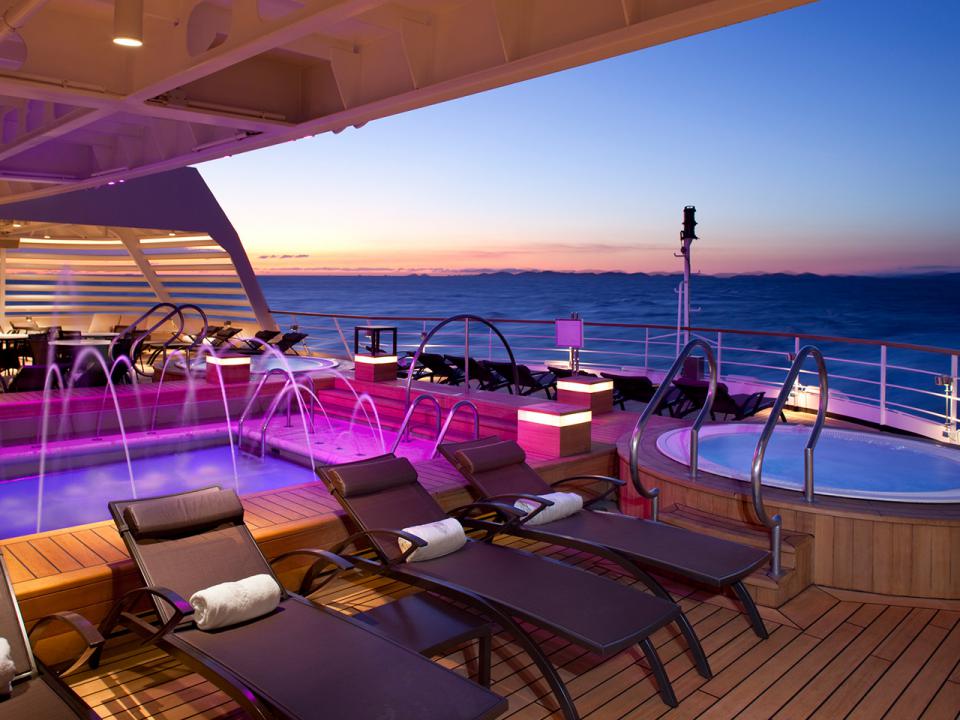
Choose Silversea if food is the point of the trip, you want the largest choice of ships and itineraries including true expedition cruising, you value butler service in every suite, and you can live with surcharges at the top restaurants.
Choose Seabourn if intuitive, name-remembering service is the point of the trip, you want every great restaurant included with no cover charges, you prefer smaller ships with a clubby social scene, and you like the open-bar, no-mental-math style of cruising.
Either way, you are choosing between two of the best-run ships at sea. Price the total trip, check the specific ship rather than the brand average, and pick the line whose dining and service style matches how you travel. For context on where high-end travel spending is moving, see our luxury travel statistics roundup. And if you want a sense of what the top of this market really looks like, these are the insane requests billionaires make of their luxury travel agent.
