
I sat down with photographer Lance Burkitt for a long conversation on The Lance Burkitt Encounter, and we went deep on something I rarely get asked about: what fame looks like from behind the camera.
Before she was Lady Gaga, she was Stefani. I photographed her before the world knew her name, and that shoot has stayed with me for a simple reason. Fame does not change a person all at once. It changes the room around them. The photographer sees the before and the after, and the difference is never the person. It is the circus that shows up with the fame.
We talked about that and a lot more. Snoop Dogg. Pamela Anderson. Usain Bolt. The night a 2.1MP camera beat $10,000 film bodies. A 600-person fashion show in a Hollywood parking lot. And the unglamorous truth about surviving 27 years in an industry that reinvents itself every five.
One thing I told Lance that I want to repeat here: treat famous people like normal human beings. The camera knows when you are performing for the fame instead of photographing the person. Every great portrait I have ever taken started with forgetting who was in front of the lens.
Watch the full conversation here:

Lance is a working photographer who asks the questions photographers actually want answered. His channel, The Lance Burkitt Encounter, is here: https://lanceburkitt.com
Who Is Lance Burkitt
Lance Burkitt is a working photographer who decided to point the camera at other photographers. His series, The Lance Burkitt Encounter, is a long-form interview show where he sits down with shooters and asks the questions photographers actually want answered. Not the gear list. Not the settings. The real stuff: how you got the shot, what the room felt like, what fame looks like from the wrong side of the lens.
That is a harder interview to give than it sounds. Photographers spend their careers making other people comfortable in front of a camera. Put the lens on us and most of us freeze up or deflect. Lance knows that because he is one of us, which is why his conversations go places the usual press interviews never reach.
When he asked me to sit down for an episode, I said yes for one reason. I have spent 27 years photographing people at the exact moment their lives change, and almost nobody ever asks what that looks like from behind the camera. Lance asked.
The Pre-Fame Gaga Stories
Before she was Lady Gaga, she was Stefani. I photographed her in June 2008, before the world knew her name, before the meat dress, before the stadiums. Just a young artist from New York with a piano, a point of view, and the kind of ambition you can smell in the room.
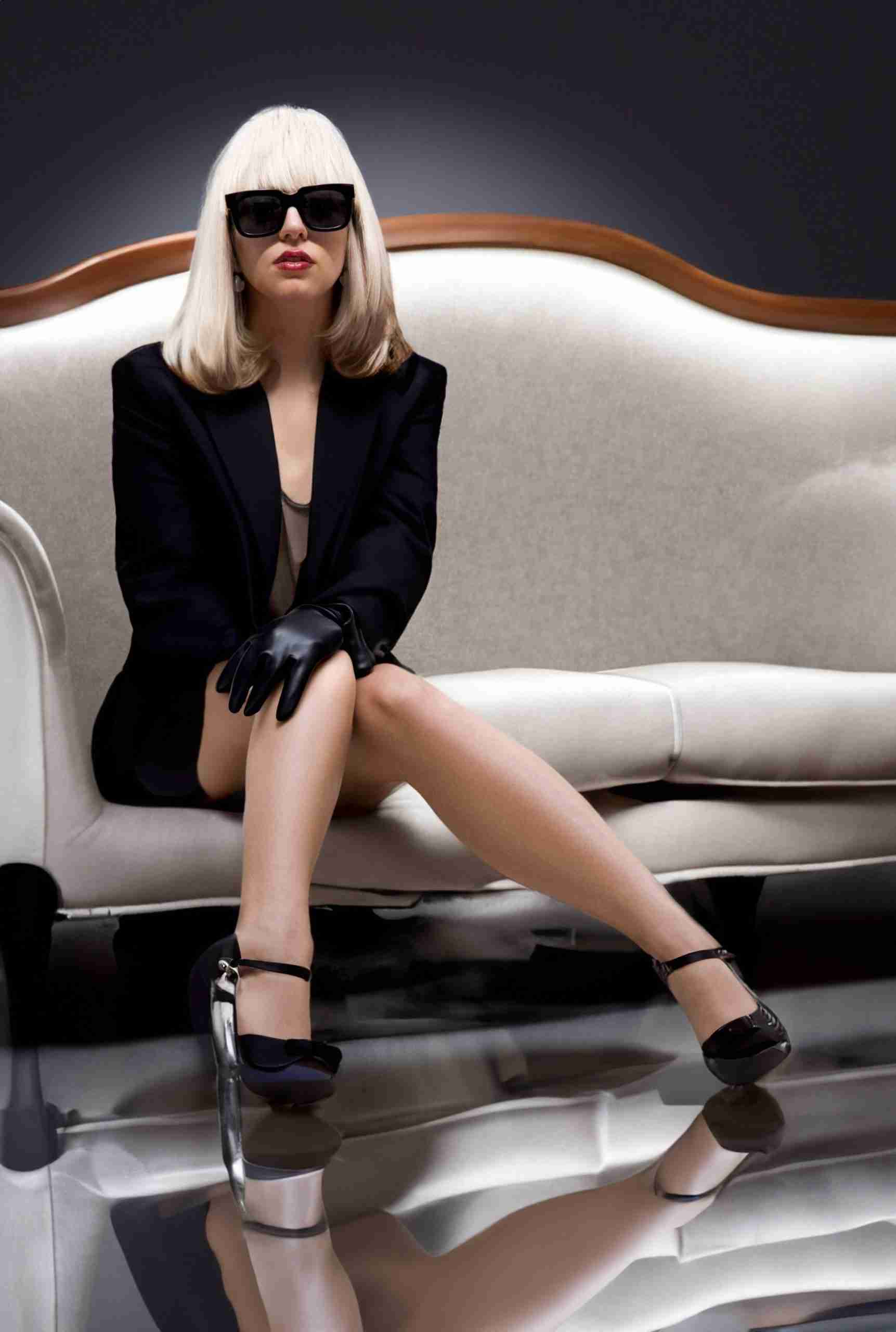
People always want to know if I could tell she was going to be huge. The honest answer is more interesting than yes or no. What I could tell was that she was serious. There is a specific quality some young artists have, a complete unwillingness to be casual about the work. She had it. The fame came later. The seriousness was already there.
That shoot has stayed with me for a simple reason, and I said this to Lance on camera: fame does not change a person all at once. It changes the room around them. The photographer sees the before and the after, and the difference is never the person. It is the circus that shows up with the fame. The handlers, the security, the schedule, the twenty people who need to approve a frame that used to take ten seconds.
I have watched it happen with more than one subject. The ones who survive it are the ones who were real before anyone was watching. She was real.
Why the Pre-Fame Era Matters
There is a window in every famous person’s life that almost nobody documents well. Too early and there is no audience for the pictures. Too late and the image is already managed. The photographers who were there in the middle, in that brief stretch when the talent was obvious and the machine had not arrived yet, hold something rare.
Those photographs matter because they are evidence. Not of fame, but of the person underneath it. When I look at my pre-fame frames, I do not see a celebrity. I see a working artist in a room, doing the work, unaware that the work is about to change everything.
That is also why these images become valuable in a way nobody predicts at the time. Nobody on that shoot in 2008 was thinking about history. We were thinking about light, and angles, and getting the shot. History showed up later and asked for the negatives.
For young photographers, the lesson is practical. Shoot the people nobody has heard of yet. Shoot them seriously. Treat the unknown artist with the same care you would give the star, because you do not know which one you are photographing. I have been wrong about who would make it more times than I have been right. The camera does not care about your predictions. It only cares whether you showed up and did the work.
What the Interview Reveals About 27 Years Behind the Camera
Lance and I covered a lot of ground beyond Gaga. Snoop Dogg. Pamela Anderson. Usain Bolt. The night a 2.1 megapixel camera beat $10,000 film bodies, which I have told before and will keep telling because it is the whole business in one story. A 600-person fashion show in a Hollywood parking lot. The unglamorous truth about surviving 27 years in an industry that reinvents itself every five.
If there is one thread through all of it, it is the thing I told Lance that I want to repeat here: treat famous people like normal human beings. The camera knows when you are performing for the fame instead of photographing the person. Every great portrait I have ever taken started with forgetting who was in front of the lens.
That sounds simple. It is not. The room is full of people reminding you who is in front of the lens. The publicist, the entourage, your own nerves. The job is to clear all of that out and see the person. The photographers who last are the ones who can do it on demand, under pressure, with the clock running.
Twenty-seven years in, I am still learning how. That is the other thing nobody tells you. The craft does not plateau. The cameras change, the industry changes, the famous faces change. The work stays the same: show up, see clearly, press the shutter at the true moment.
Watch the full conversation above. Lance asks better questions than most interviewers because he has stood where I stand. If you photograph people for a living, or want to, there is more useful material in that one episode than in a semester of photo school.
One last thing. People ask me what my favorite photograph is, and they expect me to name a famous face. The truth is that my favorite frames are almost always the ones taken before anyone knew. The room is quieter. The subject is present instead of performing. The picture is just a picture, not yet a piece of history. That is the work at its purest, and it is what keeps me picking up the camera after 27 years.
