
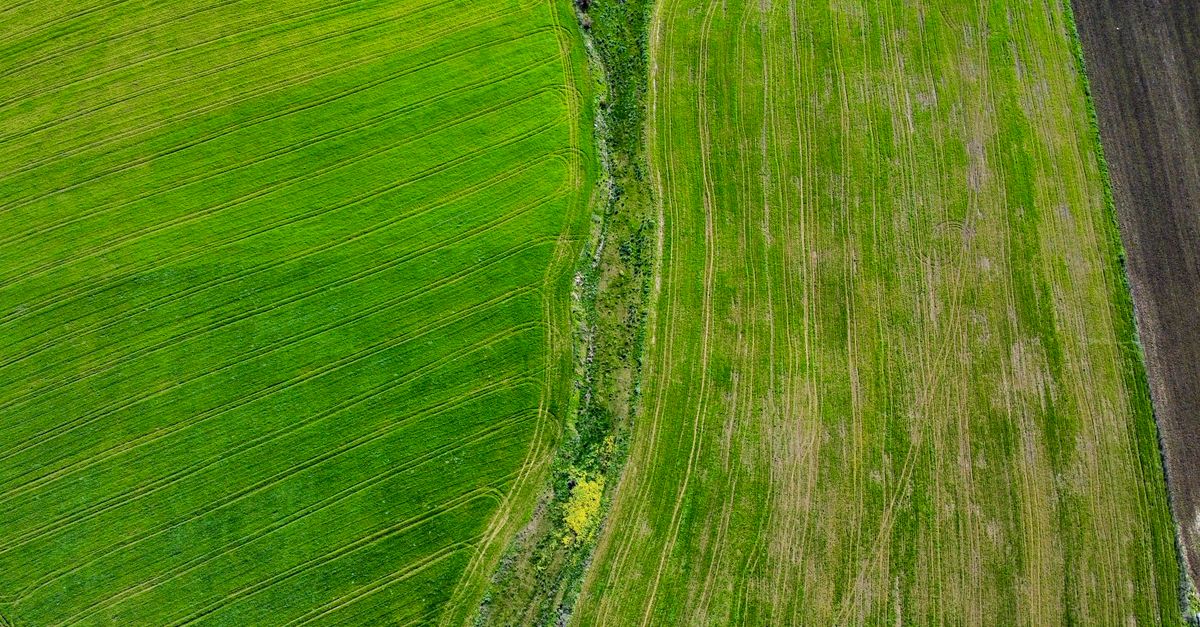
Imagine your money doing two jobs at once: earning you interest and growing the food on your table. That is the pitch behind Steward, a platform that lets everyday investors fund regenerative farms starting at just $100. No soil under your fingernails required.
For readers who care about farm-to-table dining, impact investing, and putting capital to work close to home, this is one of the most interesting corners of alternative finance. Here is how it works, what the returns look like, and what to know before you put money in.
The Problem: Banks Don’t Understand Regenerative Farms
Here is the story that started it all. A farmer growing fish peppers, a beloved heirloom variety, could not get financing. Not because the farm was failing, but because, as the telling goes, the USDA and the banks didn’t know what a fish pepper was.
That is the core problem Steward exists to solve. Traditional agricultural lending was built for monoculture commodity operations: corn, soy, wheat, thousands of identical acres. A diversified regenerative farm growing dozens of crops, raising pastured animals, and rebuilding soil health does not fit the template. Loan officers do not know how to underwrite it, so the answer is usually no.
The result is a financing gap. Small and mid-size regenerative farms, the exact operations producing the food that ends up on the best restaurant menus in Los Angeles, struggle to access capital for land, equipment, and herds. Steward steps into that gap.
What Steward Is
Steward (gosteward.com) was founded by Dan Miller, the former President and Co-Founder of Fundrise, the real estate crowdfunding platform. Miller started Steward in 2015 after meeting a farmer who could not get bank financing, and realizing the problem was systemic rather than personal. Farm projects on the platform range from $10,000 to $970,000 in size.
The model borrows from what Miller learned at Fundrise: take an asset class that was previously locked behind institutional gates, and open it to everyday investors through an online platform. Only instead of apartment buildings, the underlying asset is working farmland.
Steward is a certified B Corp, which means it has met verified standards for social and environmental performance. The loans on the platform are secured and interest-bearing, and the interest investors earn is taxed as ordinary interest income, reported on a 1099-INT.
How It Works
The process is straightforward, and deliberately so.
Step 1: Browse live offerings. Steward lists individual farm loans and pooled funds. Each listing describes the farm, what the money will be used for (land acquisition, equipment, herd expansion), the loan terms, and the interest rate.
Step 2: Invest from $100. The minimum investment is $100, which puts this in reach of just about anyone curious about impact investing. You are not buying equity in the farm. You are funding a loan to the farm.
Step 3: Earn interest as the farm repays. Interest rates on individual farm loans typically run 5% to 10%. The pooled fund targets around 6%. Loan terms range from 9 months to 6 years, with most falling in the 3 to 6 year range.
Step 4: Steward handles the plumbing. The platform takes a 2% origination fee and a 1% annual servicing fee. In exchange, it underwrites the loans, services the payments, and handles the tax reporting. Note the lockup: while you can withdraw a loan early, you must give three months’ notice and withdraw the entire amount, and all transactions settle on the 15th of the month.
What the Returns Look Like in Practice
A concrete example helps. Victory Hemp Foods, a hemp food producer, ran a Steward campaign offering 6% interest on an 18-month term with the standard $100 minimum. An investor putting in $1,000 would earn roughly $90 in interest over the life of the loan, while the capital helped a real food business expand.
That 5% to 10% range on individual loans is competitive with many fixed-income alternatives, with the added dimension that you know exactly where your money went. You can point to the farm.
Real Farms, Real Loans
The proof of concept phase, reported by Civil Eats in 2019, deployed $2.2 million into 16 farms. Demand was immediate: more than 2,000 farms applied for funding in the platform’s first year. That ratio tells you everything about the size of the financing gap.
A few of the funded operations show what the capital actually does:
Fisheye Farms, Detroit. An urban produce farm that used a Steward loan to purchase land nearly ten times larger than its original plot. The funding unlocked dramatic growth: the farm went from $10,000 in annual revenue to $80,000. Urban farms face brutal land economics, and this kind of expansion is exactly what conventional lenders shy away from.
Cairnspring Mills. A regenerative flour producer that has completed multiple financings through the platform, using the capital to scale production of grains grown with soil-building practices.
Victory Hemp Foods. The hemp food company behind the 6%, 18-month campaign described above, an example of the shorter-term offerings that appear alongside the multi-year farm loans.
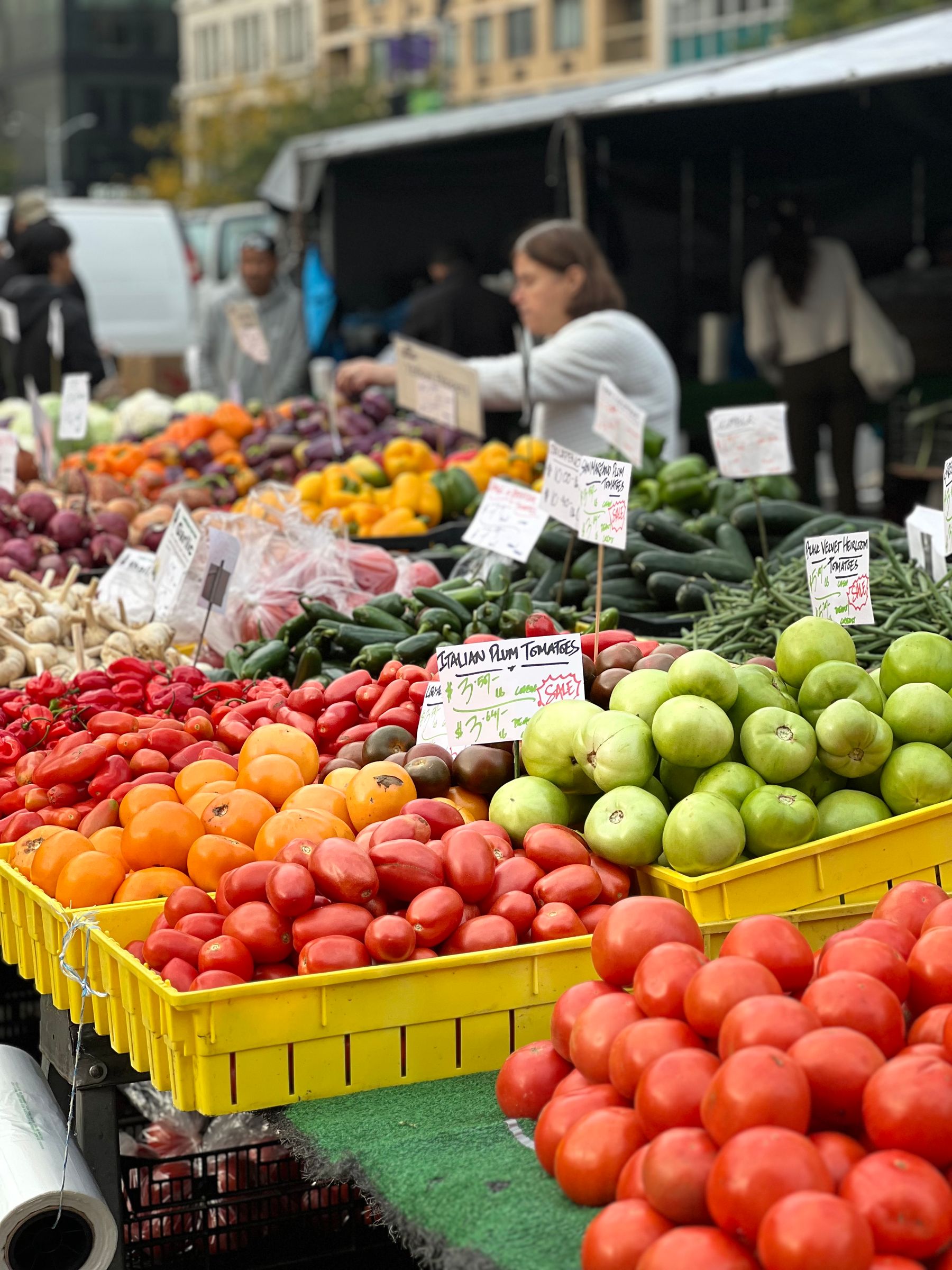
That direct line between capital and crops echoes the farm-to-table dining philosophy behind the restaurants we cover most: know where the food comes from, and who grew it.
Why This Moment Matters
Regenerative agriculture is having a policy moment. In December 2025, the USDA launched a $700 million regenerative agriculture pilot: $300 million through the Conservation Stewardship Program and $400 million through the Environmental Quality Incentives Program. Going forward, 25% of EQIP and CSP funds are set aside for regenerative contracts.
That matters for investors because public money de-risks the sector. When the USDA is directing hundreds of millions toward regenerative practices, the farms using those practices become stronger borrowers. The tailwind is real, and it is measured in nine figures.
For the Los Angeles reader, the connection is direct. The restaurants defining California cuisine right now, the ones built around farmer relationships and seasonal menus, depend on exactly these kinds of farms surviving and expanding. Investing in them is a way to participate in the food system beyond the reservation book.
For more on how the city eats, read our coverage of sustainable dining in Los Angeles.
The Risks: Read This Before You Invest
This is not financial advice, and Steward is not a savings account. Go in with clear eyes:
Loans can default. These are loans to small agricultural businesses, which carry real business risk. A bad season, a lost contract, or a management failure can impair repayment. The loans are secured, which provides a layer of protection, but security is not a guarantee. For context, Steward reported zero defaults across its first two and a half years of lending, but past performance does not predict future results.
Your money is locked up. Terms run 9 months to 6 years. This is not liquid capital you can withdraw next week. Invest only money you can afford to have tied up for the full term.
Not FDIC insured. Unlike a bank deposit, there is no federal insurance backing your investment. If the platform or the borrower fails, your recourse is limited to the loan’s security and the legal process.
Do your own due diligence. Read every offering document. Understand the farm’s business, the use of funds, and the repayment plan. The 5% to 10% interest rates reflect real risk; higher rates generally mean higher risk.
Taxes. Interest is taxed as ordinary income and reported on a 1099-INT. Factor that into your after-tax return expectations.
The Bottom Line
Steward occupies a genuinely interesting niche: it takes the farm-to-table values that affluent diners already express with their wallets at restaurants, and extends them into the capital markets. One hundred dollars minimum, 5% to 10% interest, and a direct line between your money and the food system.
The fish pepper farmer who could not get a bank loan is the reason this exists. A decade later, thousands of farms have applied, millions have been deployed, and the USDA is putting $700 million behind the same thesis. Whether you invest $100 out of curiosity or build a real allocation, it is worth understanding: this is what it looks like when your money grows food and pays you back.
David’s Guide is a Los Angeles lifestyle publication with 200,000 readers covering luxury travel, dining, and culture. This article is for informational purposes only and does not constitute financial advice.
