
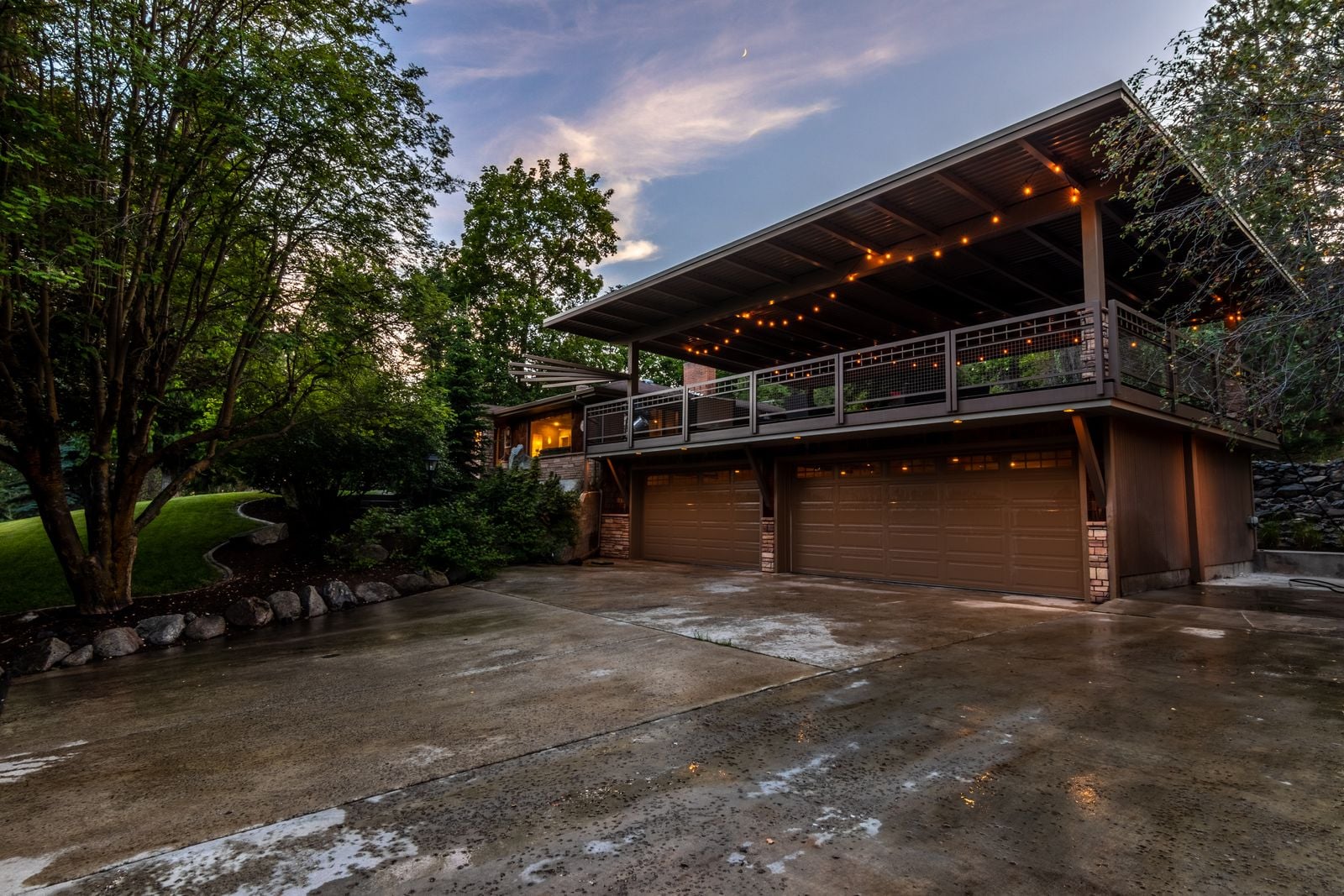
There is an hour in Los Angeles, about twenty minutes after the sun drops behind the ocean, when a house stops being a building and starts being a promise. The sky goes indigo, the interior lights come on, the pool glows, and for about fifteen minutes the whole property looks like the life the buyer is actually purchasing. I have spent 27 years as a photographer in this city, and I have spent hundreds of those blue hours standing in driveways in the hills, waiting for the light, camera on a tripod, watching a mansion turn into a dream in real time.
Photographing luxury real estate is the most intimate work I do. More intimate than portraits, honestly. A portrait subject chooses what to show you. A house cannot choose. When you walk through a twelve-million-dollar home with a camera, room by room, you see how people actually live at the top of this city’s ladder, and it is stranger and more revealing than anything on a red carpet. I have shot galas and premieres for decades (I wrote about those black-tie nights here), but the luxury listing shoot is the backstage pass nobody talks about.
The staging theater
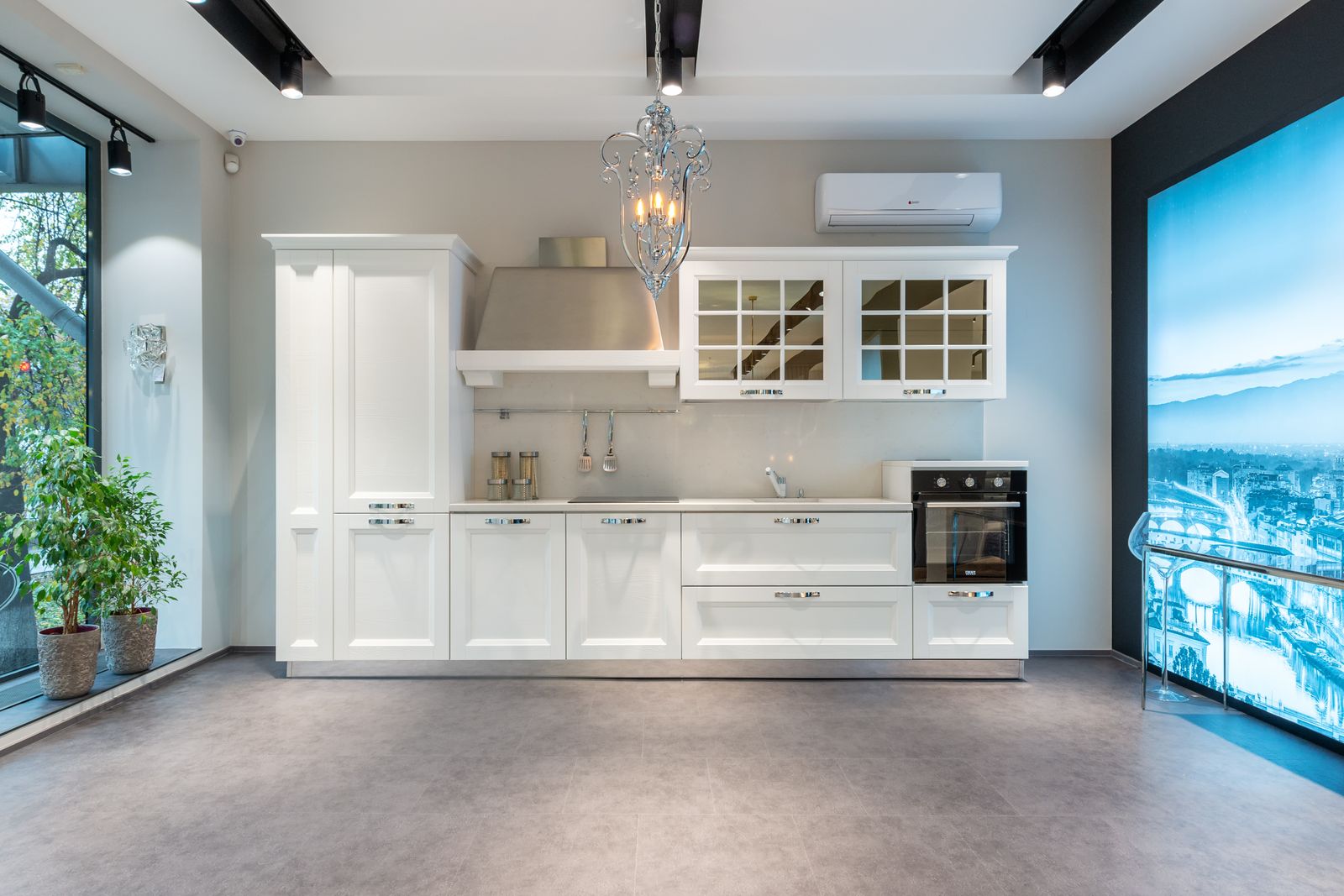
The first thing that surprises people is that the house I photograph is almost never the house anyone lives in. Two days before the shoot, the staging crew arrives, and a home that looked like a very expensive storage unit becomes a magazine spread. Furniture appears that no one will ever sit on. Books are arranged by color. A bowl of lemons materializes on a kitchen island, always the lemons, and I have photographed enough luxury kitchens to know those lemons are doing more work than most of the appliances.
It is theater, and everyone involved knows it is theater, and it works anyway. The buyers walking through on Sunday have seen the photos online first, and the photos set the terms of the visit. The staged version becomes the real version in their heads, and the empty version starts to feel wrong by comparison. Photography does not just document the sale in this market. It stages the desire.
Twilight is the whole business
Ask any listing photographer in LA what the most important image of the shoot is and you will get the same answer: the twilight exterior. Not the kitchen, not the primary suite, the dusk shot. It is the hero image of nearly every luxury listing in the city, and there is a reason it commands a premium on every rate card.
The twilight shoot is a strange, meditative ritual. You arrive in the afternoon, shoot the interiors while the light is still useful, and then you wait. In winter the wait is short; the sun is gone by five and you are shooting by six. In June you are standing around until nearly eight thirty, making small talk with the agent while the sky does its slow work. Then the window opens, about fifteen minutes, and you work fast: the exterior from the front, the back with the pool lit, the view from the terrace with the city coming on below. Miss the window and you come back another day. The light does not negotiate.
What the twilight image sells is not the house. It is the feeling of arriving home to that house. Every buyer scrolling at midnight is buying the same fantasy: the warm windows, the glowing pool, the city spread out beneath the terrace. The daytime photos prove the property. The twilight photo closes it.
What the houses reveal
Shoot enough of these homes and patterns emerge. The garage is frequently larger and better finished than the living room. The kitchen, the most photographed room in the house, is often the least cooked in; the real kitchen is sometimes a second, smaller one tucked behind it, where the actual meals happen out of frame. The view is the true asset and everyone prices it that way: the same floor plan is worth double with the canyon below it.
The details are where the money lives, and this is where the photographer’s eye earns its keep. The veining in the marble island. The grain of the walnut wall. The way afternoon light rakes across a limestone staircase. It is the same discipline as shooting fine jewelry, where the entire sale happens in the macro, and the buyers at this level notice everything. A soft corner in the listing photos reads, correctly or not, as a soft corner in the construction.
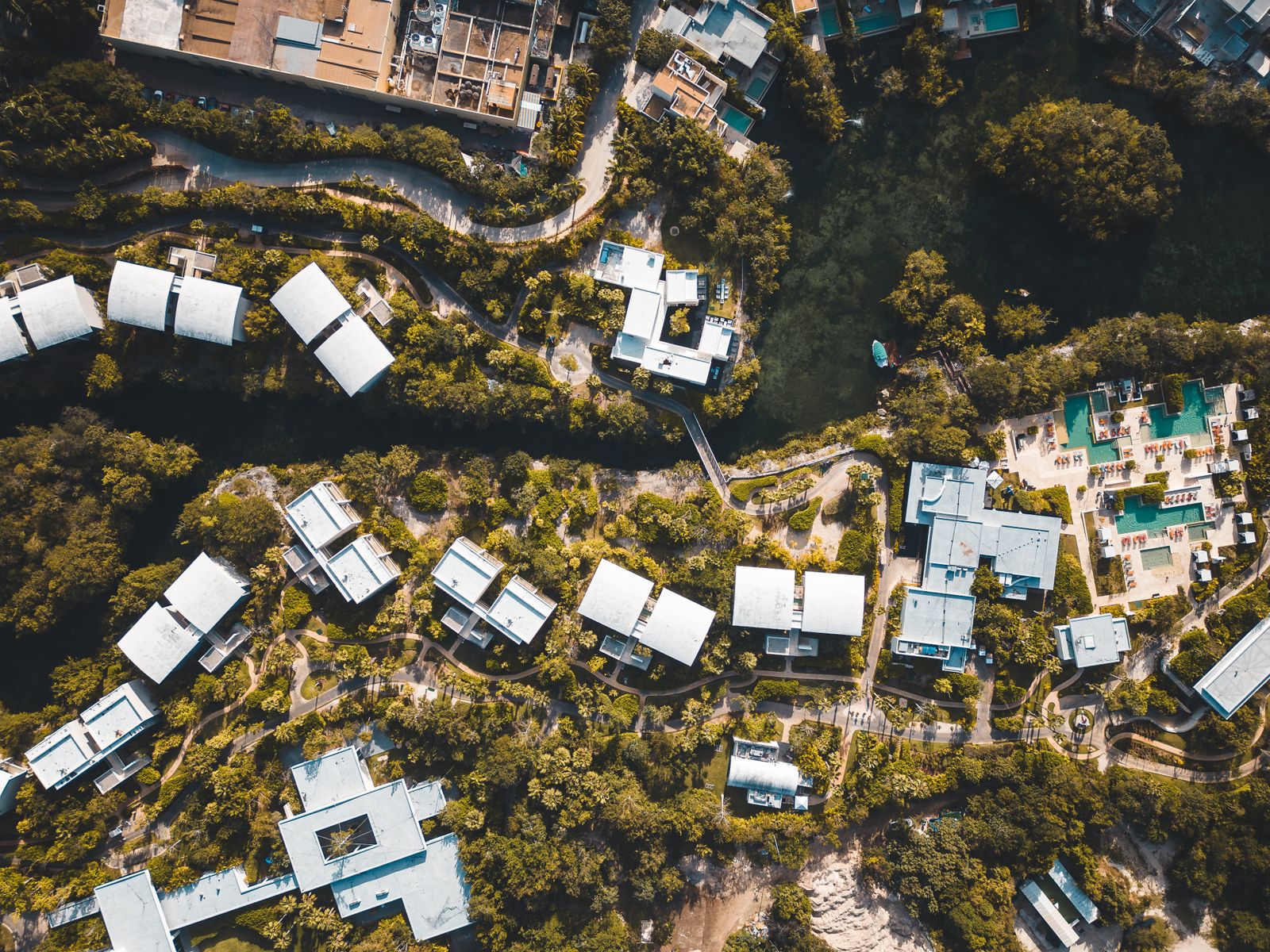
And the drone changed everything. The aerial view tells the story the ground photos cannot: where the house sits in the canyon, how the lot wraps the ridge, the relationship to the neighbors and the view corridors. From above, LA’s luxury market makes a kind of sense that it never does from the street. You see the logic of the hills, the way the expensive streets all chase the same sunset.
The quietest room in the house
Here is the thing nobody expects: the most revealing room is usually the smallest one. Walk through enough luxury listings and you start reading the primary closet like a biography. The watch boxes, the bag collection, the row of sneakers still in their boxes. People curate their living rooms for guests. They never think to curate the closet, and the closet always tells the truth.
I never photograph those rooms for the listing, obviously. But I see them, and they are the reason I keep doing this work after 27 years. Every house is a portrait of the person who built it, whether they meant to sit for one or not. I wrote once about what decades of executive portraits taught me about how image works in Los Angeles; the houses are the same lesson in a different medium. Image is not vanity here. It is currency.
Why it matters beyond real estate
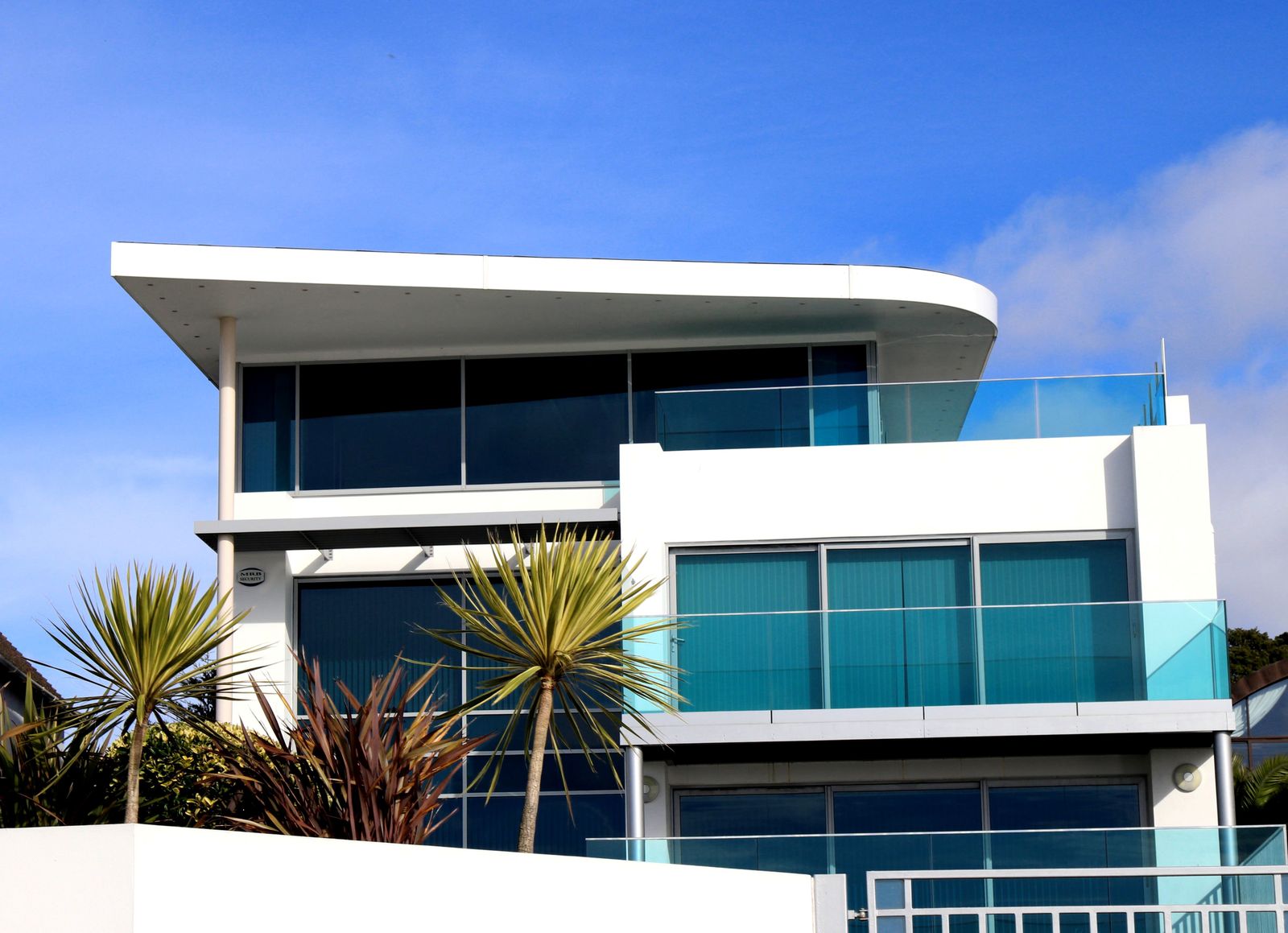
You do not have to be shopping for a mansion to get something from this. The luxury listing is LA’s most honest art form: a collaboration between an architect, a stager, an agent, and a photographer, all working to answer one question, which is what the good life looks like in this city right now. The answer changes every few years. The current answer involves a lot of glass, a disappearing edge pool, and a kitchen island the size of a small car.
I love this work because it is photography at its most functional. A portrait can be beautiful and useless. A listing photo either moves a multi-million-dollar asset or it does not, and you find out in the days-on-market number. There is no hiding behind artistry. The image works or the phone does not ring.
If you are curious about the craft side of it, what the shoots cost, what the photos are actually worth in sale price, and how to hire a shooter whose work moves listings, I wrote the practical guide on my photography site: Real Estate Photographer Los Angeles: How to Hire One That Sells the Listing.
The next time you are scrolling listings at midnight, which everyone in this city does, look past the lemons. Look at the light. Somewhere in the hills, a photographer stood in a driveway at dusk and waited for those fifteen minutes, and what you are feeling is exactly what they were waiting for.
