
By Paulina Phan, Senior Editorial Contributor
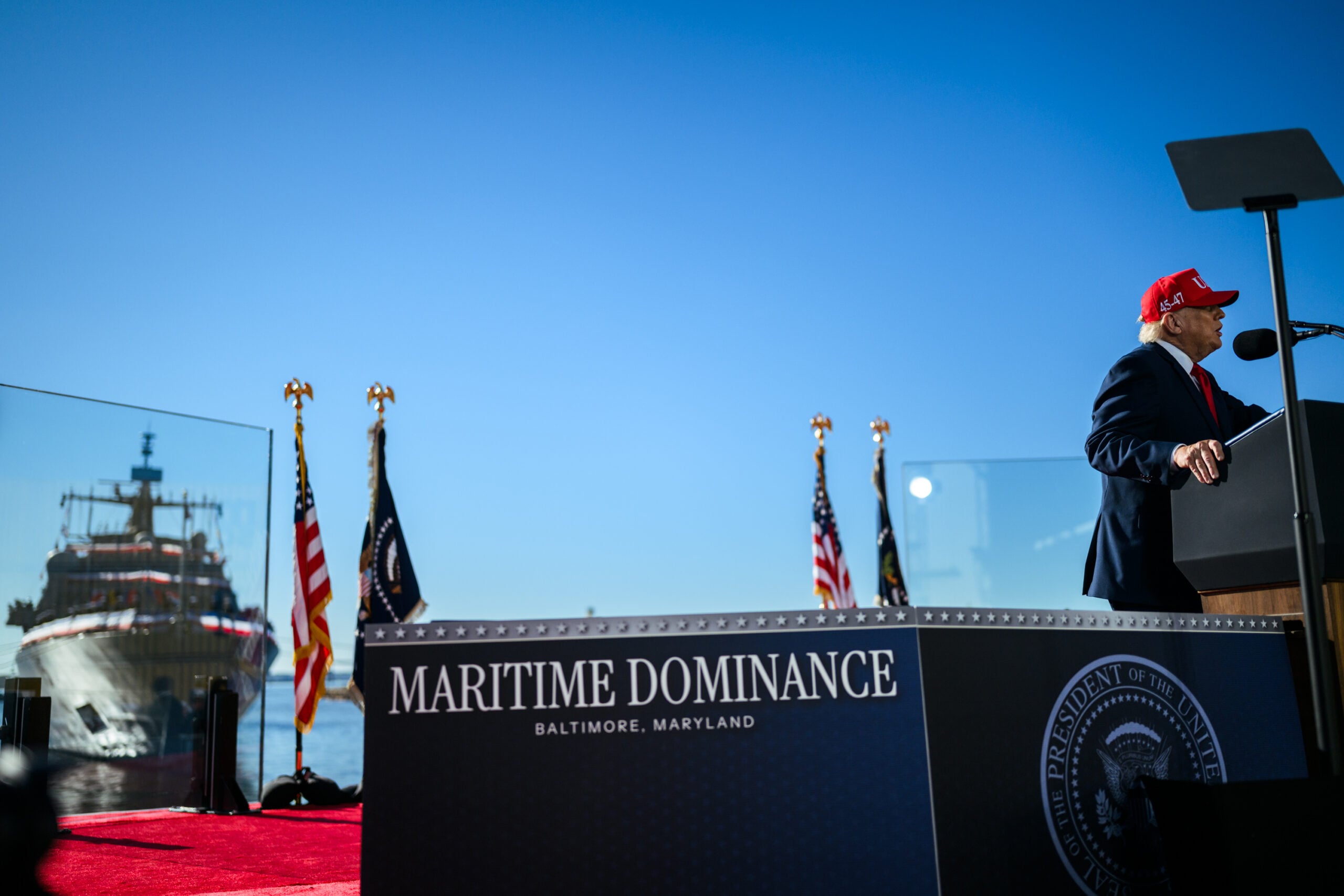
On October 6, 2026, Anduril Industries and the White House announced Arsenal-2, a planned submarine components factory at Tradepoint Atlantic in Sparrows Point, Maryland, on the former Bethlehem Steel site. Anduril, the defense technology company founded by Palmer Luckey, said it would invest $3.7 billion of private capital, alongside a U.S. Navy contract worth up to $2.9 billion to manufacture components for Virginia-class nuclear-powered attack submarines. The company was explicit about scope: Anduril will not build complete submarines. It will build parts of them, at a scale the Navy says it urgently needs.
What Was Announced
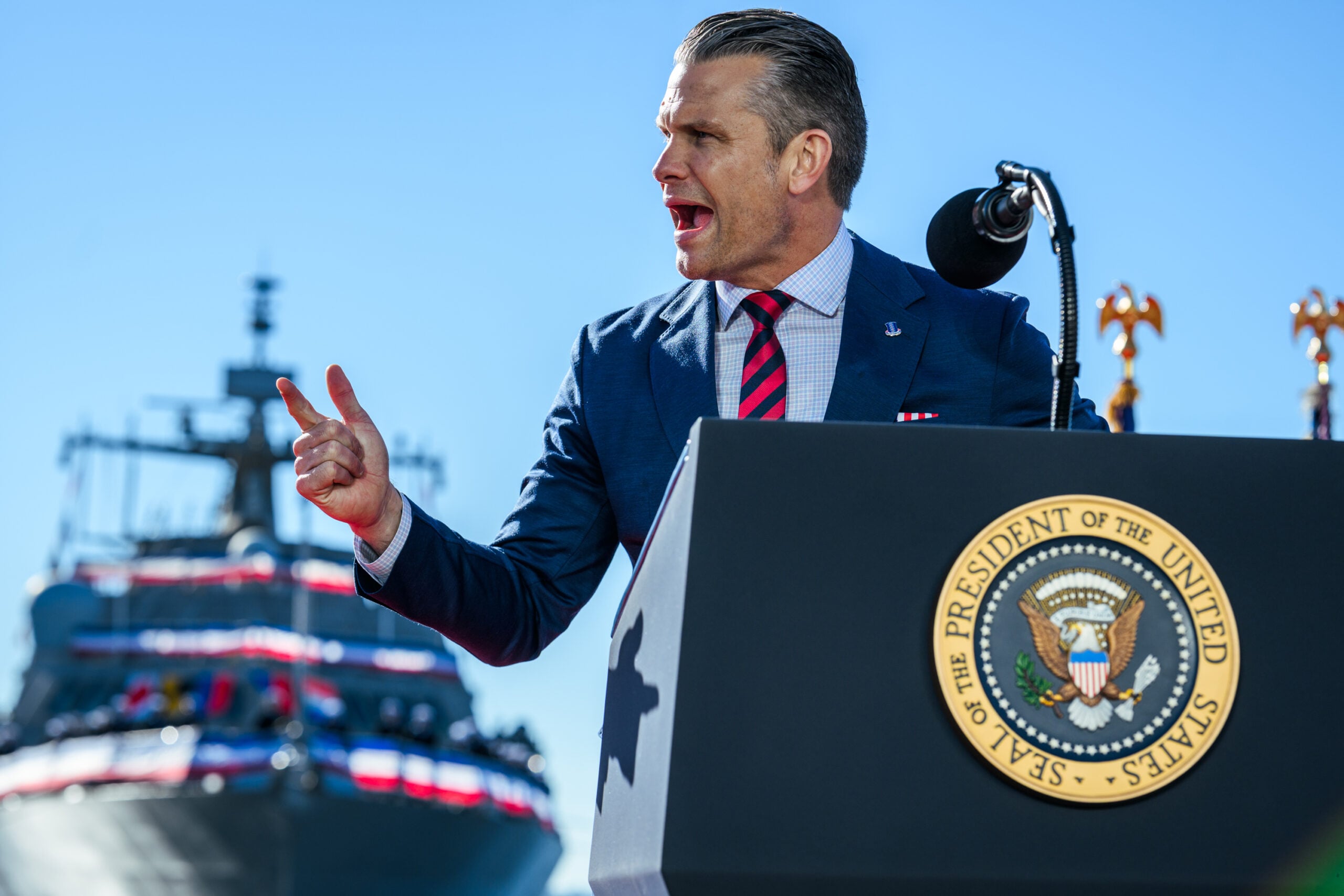
The facility is planned at 187 acres with more than 2 million square feet of production space and a 1,200-foot graving dock. Production would begin with torpedo tubes and impulse tanks, components Navy officials described as a gating item holding up boats already under construction, and expand to larger structures, including hull sections and rafted module assemblies. Finished components would go to General Dynamics Electric Boat in Connecticut and HII’s Newport News Shipbuilding in Virginia, which build Virginia-class submarines and will retain final assembly and delivery.
Anduril describes the plant as a software-defined shipyard, run on its ArsenalOS platform connecting fabrication, outfitting, inspection and documentation. The company projects 3,100 direct jobs and more than 11,000 indirect jobs, and a production target of roughly 9 million additional labor hours per year, which a senior administration official characterized as about a 15 percent increase in Virginia-class production capacity. Site preparation begins immediately, with initial operations targeted for 2030. An Anduril facility in Costa Mesa, California, is already prototyping torpedo tubes; the company told USNI News that plant is SUBSAFE certified.
The financing drew attention of its own. Navy contract payments are tied to demonstrated production outcomes, a structure Anduril said leaves the company, not the taxpayer, carrying most of the execution risk. President Trump said taxpayers would receive a 40 percent stake connected to the project; Anduril later clarified the stake would be in a new subsidiary created to operate Arsenal-2, not in Anduril itself, and disclosed no further terms. Maryland incentives worth up to about $481 million have been discussed but require legislative approval and were not final at announcement.
Why the Navy Needs the Capacity
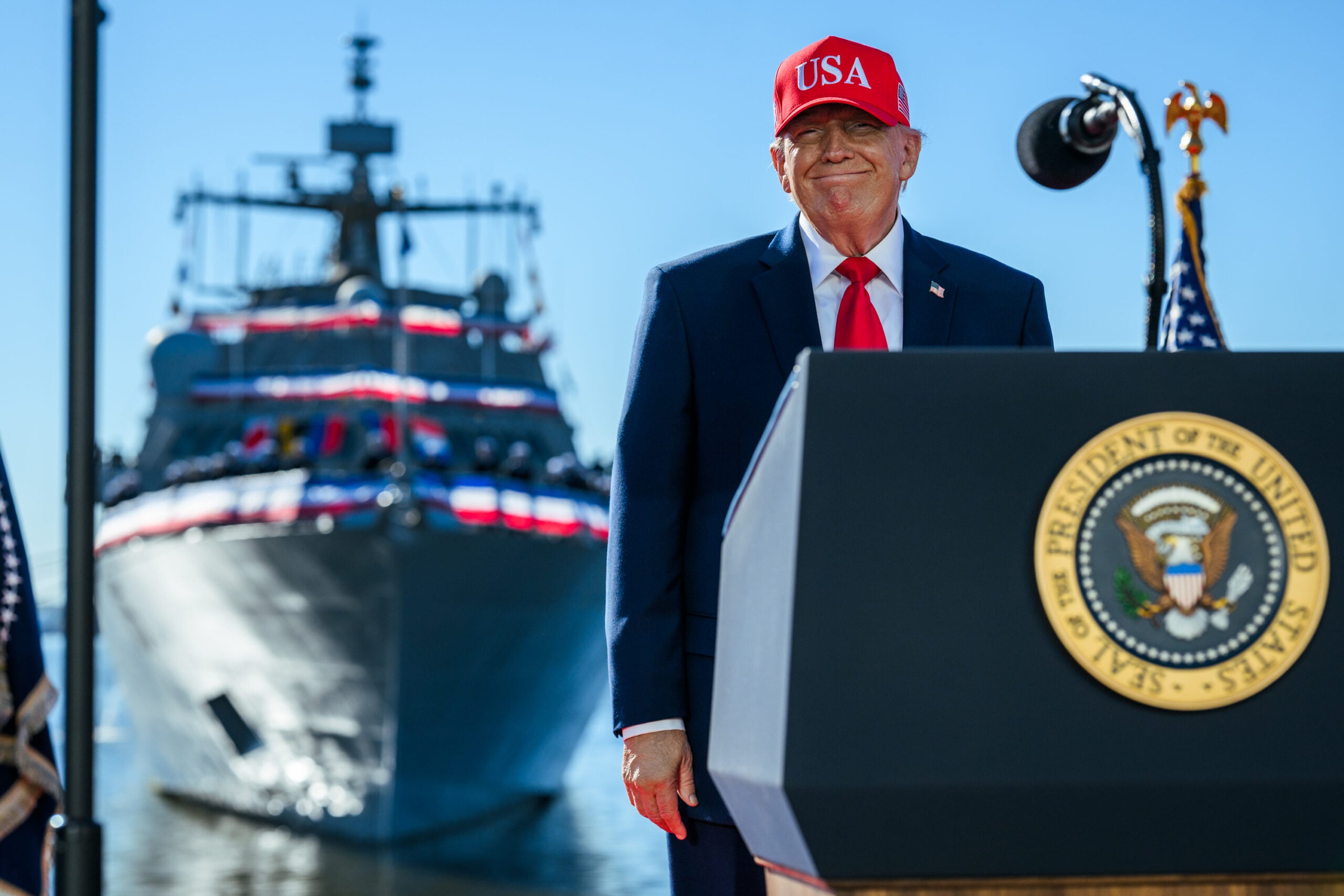
The Virginia-class program has run below its target rate for years. The Navy’s plan calls for two Virginia-class boats per year, plus one Columbia-class ballistic missile submarine, its top industrial priority. Actual production has run at roughly 1.1 to 1.3 boats per year since 2022. Chief of Naval Operations Adm. Daryl Caudle told Congress in May 2026 that he expects industry to reach two per year around 2032. A Government Accountability Office report released in 2026 attributed delays principally to late material deliveries and shortages of experienced workers, found that the two Virginia-class submarines delivered in 2025 were each more than three years late, and put the cost of attack submarine maintenance idle time between fiscal 2016 and 2025 at $3.4 billion.
Arsenal-2 fits a broader Navy strategy of distributed shipbuilding. The Navy’s 2026 plan states that about 10 percent of shipbuilding work is performed at distributed sites today and sets a goal of 50 percent. Under the AUKUS agreement, the United States is also committed to selling Virginia-class submarines to Australia in the 2030s, adding demand to the same production line. A widely cited Office of Naval Intelligence assessment estimated Chinese shipbuilding capacity at roughly 230 times that of the United States by tonnage, a figure the Congressional Research Service has cautioned largely reflects commercial cargo shipbuilding rather than warship integration. A World Defense Shipbuilding report released October 20, 2026, found China produced 636,208 tons of combat vessels in 2024 and 2025, against 270,509 tons for the United States, though the U.S. combat fleet remains larger in total tonnage.
A Defense Upstart Moves Into Heavy Industry
Anduril, founded in 2017, built its reputation on software, sensors and autonomous systems. Its maritime portfolio includes the Ghost Shark extra-large autonomous underwater vehicle, developed with the Royal Australian Navy, for which Australia committed A$1.7 billion in September 2025, and the Dive-LD autonomous submarine, in service work with the U.S. Navy. Arsenal-2 is a different category of undertaking: regulated, nuclear-adjacent structural manufacturing unlike anything in the company’s existing business.
Executives framed the move as additive. “This is not about taking food off the plate of anybody,” Anduril President Chris Brose said at the announcement. “This is about putting more food on the table.” Brose said discussions with the Navy had run for nearly two years and that Anduril was initially skeptical about Virginia-class work. HII Newport News Shipbuilding President Kari Wilkinson welcomed Anduril “as a future subcomponent partner in the important work of accelerating submarine deliveries to the fleet.” Vice Adm. Robert Gaucher, the Navy’s submarine construction chief, said the United States “must reckon with the fact that we have lost industrial capacity. Today, we start to rebuild it.”
Questions That Follow the Announcement
Analysts raised two practical concerns. The first is time: a plant reaching initial operations in 2030 offers limited relief for a shortfall the Navy wants closed by the early 2030s, leaving the California line as the near-term contribution. The second is the work itself. Bryan Clark, a naval analyst at the Hudson Institute and a former submariner, told USNI News: “There’s only so much you can do when you’re talking about a highly regulated set of parts like submarine parts. The supply chains are very tight, so it’s not like Anduril’s going to be able to run out and get a commercial alternative for some of these SUBSAFE or nuclear parts.”
The deal has also drawn conflict-of-interest questions. The award came about a week after Secretary Pete Hegseth named Luckey a co-lead of Project Meridian, a Pentagon future-warfare study. Rep. Jamie Raskin had written in August 2026 criticizing 1789 Capital, an investment firm where Donald Trump Jr. is a partner and which holds a stake in Anduril. Pentagon officials rejected suggestions of favoritism: Chief Technology Officer Emil Michael told CNBC there was “really nothing to see here,” and a department spokesperson said outside affiliations play no role in funding decisions.
What is not in dispute is the arithmetic. The Navy wants two attack submarines a year and is getting closer to one. Whether a software company can close part of that gap from a new factory in Maryland is now a $3.7 billion test of the distributed shipbuilding idea.
FAQ
Will Anduril build complete submarines or warships at Sparrows Point? No. Anduril will manufacture components and large assemblies, starting with torpedo tubes. Electric Boat and Newport News Shipbuilding will continue final assembly of Virginia-class submarines.
How is Arsenal-2 funded? Anduril says it is investing $3.7 billion of private capital. The Navy contract is worth up to $2.9 billion, with payments tied to production results rather than guaranteed in advance. Maryland incentives of up to about $481 million have been discussed but not approved.
When would the plant begin producing? Site preparation begins immediately, according to the company, with initial operations targeted for 2030. The Costa Mesa facility is already building torpedo tube prototypes in the interim.
Sources and Methodology
Based on reporting by Reuters, the Associated Press, Breaking Defense, USNI News, DefenseScoop and Defense News (October 2026), statements from Anduril and the U.S. Navy, and GAO findings released in 2026. Investment and contract figures are as announced; the Navy contract value is a ceiling, not a confirmed obligation. The China capacity comparison reflects an Office of Naval Intelligence estimate and the Congressional Research Service’s published caveat.