
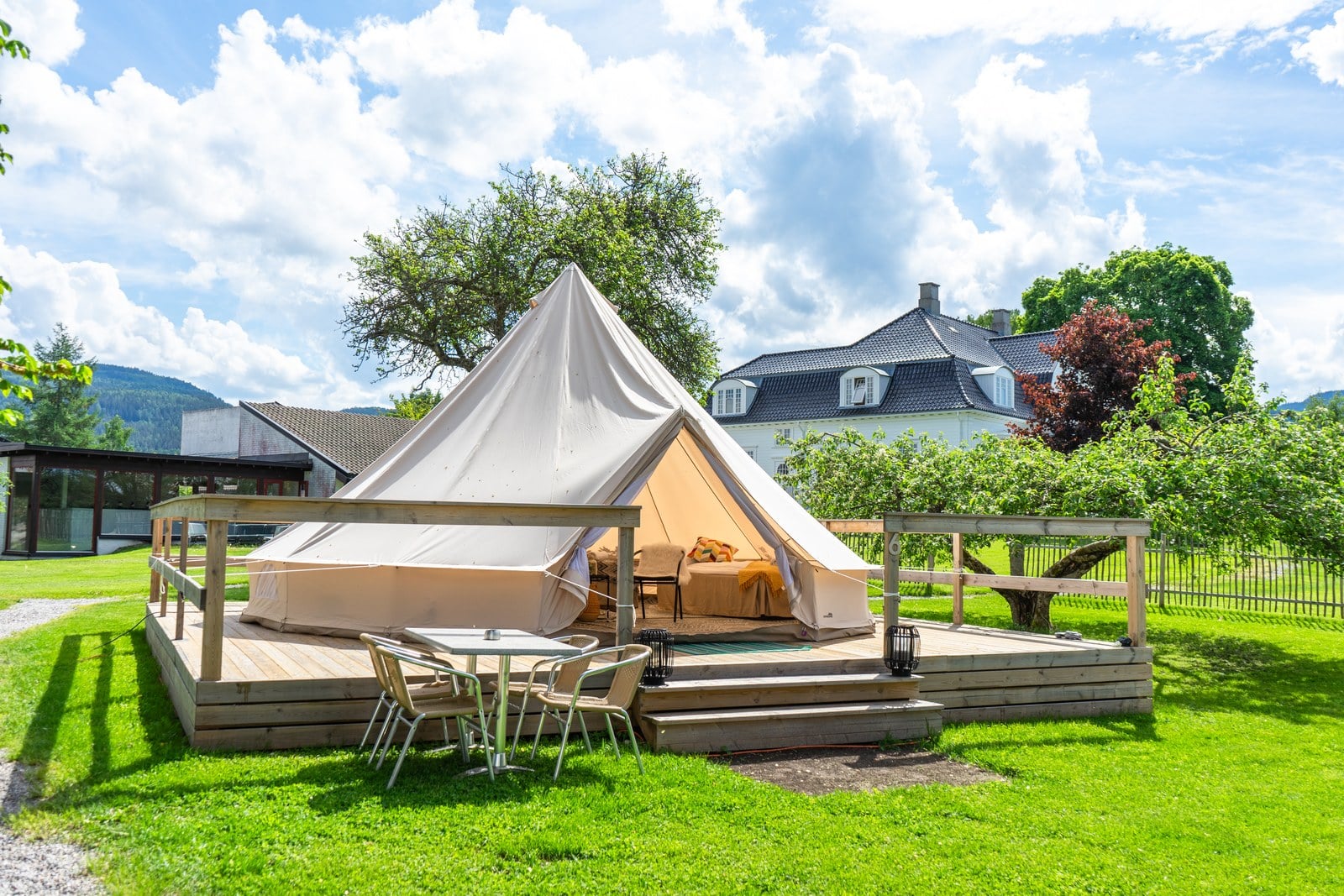
I have photographed in some of the most expensive tents on earth. Not metaphorical tents. Actual canvas, actual zipper doors, actual $7,500 a night tents with plunge pools. So when people ask me whether luxury glamping is worth it, I do not answer from a press release. I answer from having stood inside the product with a camera.
Glamping long ago outgrew its novelty phase. Analysts peg the global glamping market at roughly $4.5 billion in 2026, growing about 10 percent a year toward more than $8 billion by the early 2030s. Guests are not campers willing to pay extra. They are hotel guests choosing canvas over concrete, and they pay hotel prices for it. The question is whether what they get justifies the invoice.
What Luxury Glamping Costs in 2026
Let us price the tiers honestly, using national park glamping as the benchmark since that is where the category is most mature.
The mid luxury tier, $179 to $219 a night, is the full glamping experience most people picture. Under Canvas starts around $179 a night near the Grand Canyon. You get a safari tent with a real king bed, a private ensuite bathroom, climate control, premium bedding, and on site dining. Clear Sky domes and similar properties sit around $207. This tier delivers hotel standard comfort roughly 25 to 30 minutes from the park gates.
The high luxury tier, $350 to $476 a night, adds upgraded locations, spa services, and features like transparent ceiling panels for stargazing. Under Canvas’s Stargazer tent, with a viewing window over the bed, runs about $476.
The ultra luxury tier, $699 to $999 a night, is a boutique hotel that happens to have canvas walls. Premium domes near the Grand Canyon Skywalk, concierge service, tour integration, the works.
Industry planning benchmarks put midweek safari tent rates around $250 a night and premium units like treehouses at $450 to $550 on weekends. Peak season adds 20 to 50 percent on top of base rates. Extras like private hot tubs or chef dinners run $100 to $300, plus 10 to 20 percent in fees. A weekend can land anywhere from a few hundred dollars to well over a thousand once everything is added.
Then there is the top of the market. At Amangiri’s Camp Sarika in Utah, ten tented pavilions each with a private plunge pool, tents go as high as $7,500 a night. That is not a typo. It is also the hardest luxury reservation in the American desert, at a resort that ranked 44th on the World’s 50 Best Hotels 2026 list. The tent is the point.
What You Get That a Hotel Cannot Give You
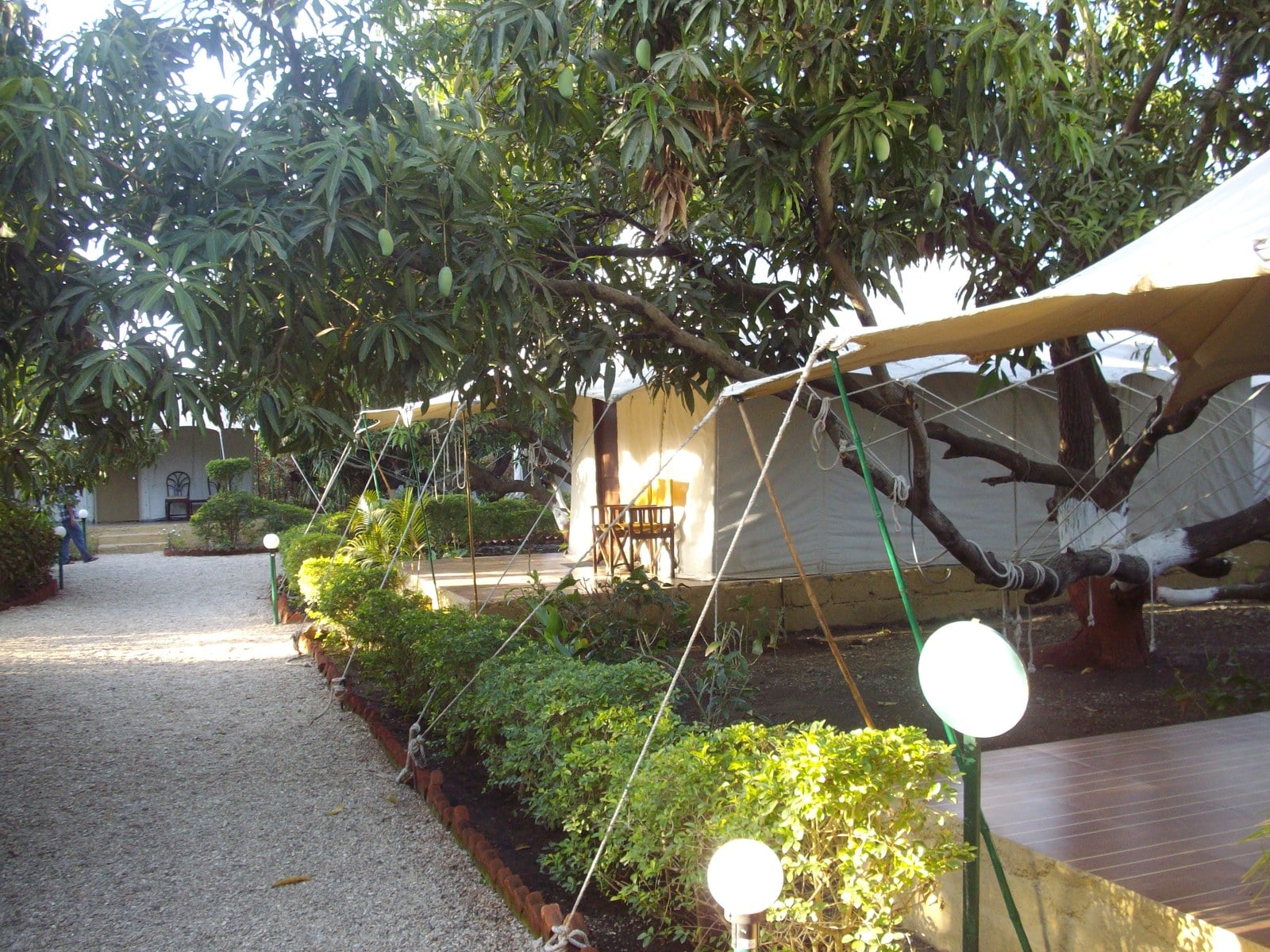
The honest case for glamping is location. The best glamping properties sit where hotels cannot be built or should not be built: at the edge of national parks, in dark sky deserts, on private ranch land. Under Canvas plants its camps minutes from the Grand Canyon, Acadia, and Zion. ULUM Moab sits near Arches. AutoCamp built a design forward base outside Yosemite. You wake up, walk out of canvas, and the park is there. No 45 minute drive from the nearest chain hotel.
The second case is the experience itself. Falling asleep to wind on canvas with a real mattress under you is a specific pleasure that a concrete hotel room cannot reproduce. The Stargazer tents with ceiling windows exist because guests will pay $476 a night to watch the Milky Way from bed. That is not a hotel amenity. That is the product.
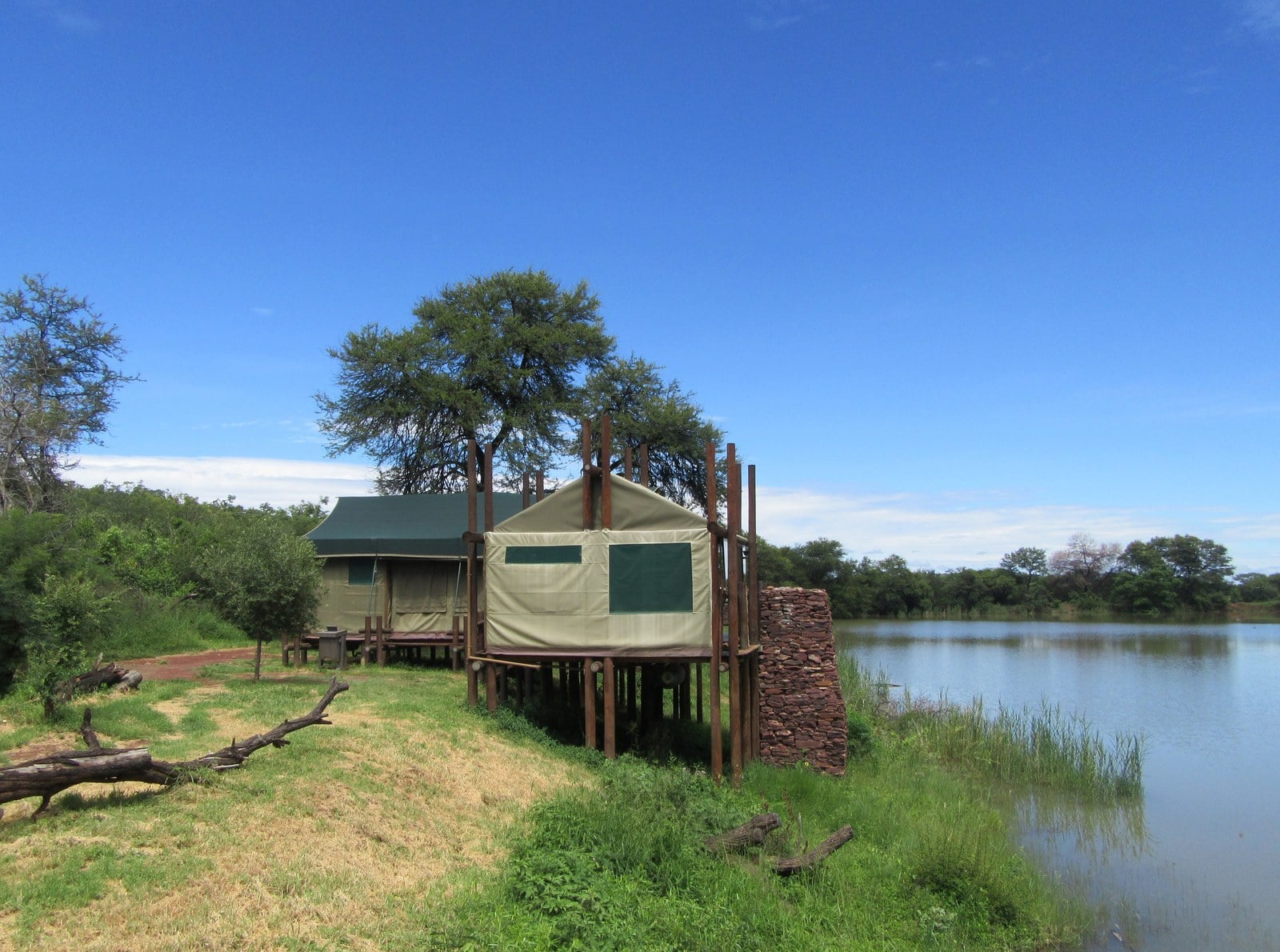
The third case is the safari lineage. Luxury tented camps were perfected in Africa, where the best lodges have been doing canvas luxury for decades. Our guide to the best luxury safari lodges in Africa shows what the format looks like at its peak: ensuite tents, private decks, wildlife at the canvas wall. American glamping is the domestic version of that tradition, and at the high end it holds up.
The Hidden Costs
Now the part the Instagram posts skip.
Seasonality is brutal. A glamping site has a hotel’s cost structure, land, structures, housekeeping, insurance, booking commissions, with a campground’s short season. That is why peak summer rates carry 20 to 50 percent premiums and why the booking window matters: securing a tent 3 to 6 months in advance is essential for peak summer and autumn dates. Book late and you get the worst tents at the highest prices, or nothing at all.
Weather is the risk you cannot insure. A $476 a night Stargazer tent in a rainstorm is a $476 lesson in canvas acoustics. Hotels have roofs in the structural sense. Check the forecast and the cancellation policy with equal seriousness.
The fee stack is real. That $250 base rate becomes $300 after the platform fees, taxes, and extras. Budget the all in number, not the headline rate.
And the amenity gap matters. Most glamping properties have no spa, no gym, no room service at 11 PM. If your idea of luxury includes a 25,000 square foot Aman Spa, the tent is not competing with that. It is a different product. Compare it to the right alternative: not the Four Seasons, but the crowded national park lodge with thin walls and a 6 AM checkout line.
When Glamping Beats a Hotel
Glamping wins in three situations.
One, the destination has no good hotels. This is the Grand Canyon, the Utah parks, the dark sky deserts. When the alternative is a dated motel 40 minutes from the park entrance, a $207 dome with a private bathroom and a view of the Milky Way is not just better. It is not close.
Two, the tent is the destination. Camp Sarika at Amangiri, the high end safari camps, the architect designed domes. At this level you are not choosing glamping over a hotel. You are choosing a specific, irreproducible experience. Our take on whether all inclusive luxury resorts are worth it applies the same test: does the format deliver something the alternative cannot.
Three, you want the outdoors without the suffering. Real beds, ensuite bathrooms, climate control, and a chef on site remove every traditional objection to camping. If you love national parks but hate sleeping on the ground, this category was built for you.
When a Hotel Wins
A hotel wins when the weather is uncertain, when you need real amenities like a spa and fitness center, and when shoulder season hotel deals undercut glamping prices. A $180 Marriott in October often beats a $350 tent in July on pure value. It also wins for longer stays, where the novelty of canvas fades around night four and the absence of a proper desk, blackout curtains, and sound insulation starts to matter.
Families should do the math carefully. About 56 percent of luxury glamping sites are pet friendly and 68 percent are classified as child friendly, but multi room configurations cost more, and kids who need constant entertainment will exhaust a tent’s possibilities fast.
The Verdict
Luxury glamping is worth it when the location justifies the format: national parks with no good hotels, dark sky deserts, and tented camps where the tent itself is the experience. At $179 to $350 a night in the mid tiers, it competes directly with hotels and often wins on setting. Above $500 a night, demand the extraordinary: a private plunge pool, a view that cannot be photographed from a road, or service at the level of the great safari camps.
Book 3 to 6 months ahead for peak season, budget the all in price with fees, and check the cancellation policy like the weather depends on it, because it does. Canvas is not a compromise anymore. At its best, it is the point.
