
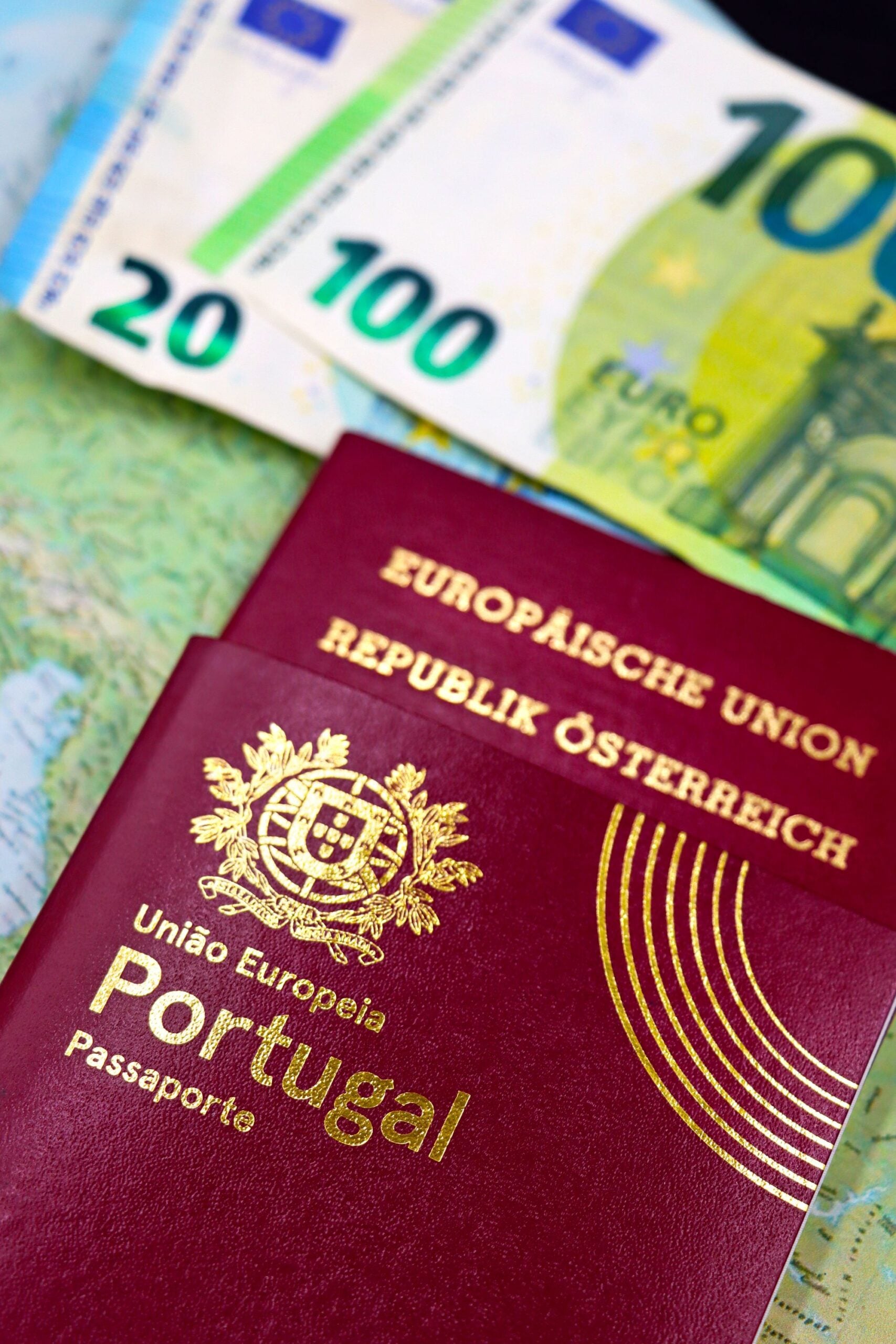
Exchange a little before you go, and get the rest after you land. A small amount of local cash, enough for a taxi, a tip, and a coffee on arrival, is worth having when you step off the plane. But exchanging your whole trip budget before you leave is one of the most expensive mistakes in travel. The gap between the best and worst ways to change money runs from under 1 percent to 15 percent, and on a 1,000 dollar exchange that is 80 to 160 dollars gone before your trip starts.
How Much Does It Cost to Exchange Currency?
Every way of changing money takes its profit from the same place: the spread between the real exchange rate and the rate it gives you. The real rate, called the mid-market rate, is the rate banks use when they trade with each other. You will never get it exactly. The question is how close you get.
A no-fee travel card or a good ATM withdrawal lands within about 1 percent of the mid-market rate. Your home bank costs roughly 2 to 4 percent. An airport kiosk costs 8 to 15 percent. That spread is the whole story.
The second cost is flat fees. Your bank may charge 3 to 5 dollars per foreign ATM withdrawal, and a kiosk may add a 5 to 15 dollar service fee on top of its bad rate. On small amounts these fees hurt most. A 5 dollar fee on a 100 dollar withdrawal is 5 percent before the exchange rate even enters the picture.
The third cost is the one travelers never see: dynamic currency conversion. When a card terminal or an ATM offers to charge you in dollars instead of the local currency, that is not a favor. It is the merchant’s bank setting the rate, with a markup of 3 to 8 percent built in, sometimes more. Always pay in the local currency.
What It Costs to Exchange 1,000 Dollars: My Comparison Across Seven Methods
I compiled the published 2026 ranges from Travel Currency Guide, Compare Travel Cash, WingJay, and Idyllic Pursuit, then ran the math on a 1,000 dollar exchange so the methods can be compared head to head. Every figure below is a published range turned into a dollar cost, not a live quote, and your real numbers will move with the rate on the day. The ranking will not.
- Airport exchange kiosk: markup of 8 to 15 percent, plus a 5 to 15 dollar service fee. Cost on 1,000 dollars: about 85 to 165 dollars. This is the worst method in the comparison by a wide margin, and it is the one travelers use most often, because it is right there in the terminal.
- Hotel or resort exchange desk: markup of 5 to 10 percent. Cost on 1,000 dollars: about 50 to 100 dollars. Convenient, captive, and priced like it.
- Credit card with a foreign transaction fee: about 1 percent network cost plus a 3 percent issuer fee. Cost on 1,000 dollars: about 40 dollars.
- Home bank before travel: markup of 2 to 4 percent, plus a 0 to 15 dollar order fee. Cost on 1,000 dollars: about 20 to 55 dollars. Better than the airport, still real money, and you have to order days ahead for less common currencies.
- Online currency order: markup of 1 to 3 percent, with shipping or free pickup. Cost on 1,000 dollars: about 10 to 30 dollars. One of the better pre-trip options if you want cash in hand before you fly.
- ATM abroad with a standard bank card: markup of 1 to 3 percent, plus a 3 to 5 dollar withdrawal fee. Cost on 1,000 dollars: about 13 to 35 dollars if you withdraw it in one or two trips. Take larger amounts less often, so the flat fees do not multiply.
- ATM abroad with a no-fee travel card, or a credit card with no foreign transaction fee: markup of 0 to 1 percent, no flat fee. Cost on 1,000 dollars: about 0 to 10 dollars. This is the cheapest way to get local cash and to pay for things, and it is not close.
My quotable takeaway from this comparison: on a 1,000 dollar exchange, the gap between the worst method and the best is about 80 to 160 dollars, and the airport kiosk is almost always the worst place to hand over your money.
That gap is per 1,000 dollars. On a 3,000 dollar trip budget, the difference between the airport kiosk and a no-fee card is 240 to 480 dollars. That is a hotel night or a day trip, lost to a markup you never saw itemized.
Should You Exchange Currency Before You Leave Home?
Yes, a little. Not a lot. The right amount is what you need for the first few hours in a new country: the taxi or train from the airport, a tip for the driver, a bottle of water, a coffee while you get your bearings. For most destinations that is 50 to 100 dollars worth. In cash heavy countries, make it 100 to 150.
Late night arrivals make the point better than any fee table. Land after midnight in a city where the only ATM in the arrivals hall is out of service, and the local cash in your pocket buys the taxi, the tip, and the first coffee, and buys you the calm to sort out the rest in daylight. Land with nothing, and the first hour goes to hunting for a working ATM with a dead phone. The cash in your pocket on arrival is not about the rate. It is about starting the trip on your terms.
The best pre-trip source is your own bank or an online currency order service, not the airport. Banks mark up 2 to 4 percent and may waive the order fee for premium account holders. Online services run 1 to 3 percent and let you lock a rate, but allow 5 to 7 business days for delivery.
Do not exchange your whole budget before you go. You will almost certainly over-exchange, and the cash you bring home has to be converted back, which means paying the spread a second time. Published guides put the round trip loss at 10 to 15 percent.
Where Is the Worst Place to Exchange Currency?
The airport kiosk, and it is not close. Companies like Travelex and ICE run the counters at most major airports, and they routinely mark up rates by 8 to 15 percent over the mid-market rate, then add a 5 to 15 dollar commission on top. A 500 dollar exchange at a typical United States airport kiosk costs 45 to 75 dollars in spread and fees combined, according to Idyllic Pursuit. Some kiosks advertise zero commission. The commission is not zero. It is hidden in the rate.
The reason is simple economics. Airport kiosks pay enormous rents for their locations, and they serve a captive audience of tired travelers who need cash right now. Hotel exchange desks are the second worst, at 5 to 10 percent, and tourist area booths run 5 to 12 percent. Some tourist zone kiosks have worse problems than bad rates. Published guides warn about short counting and counterfeit bills at unlicensed booths. Use a licensed bank or a bank branded ATM instead.
The rule is easy to remember: if the place exchanging your money is inside an airport or a hotel lobby, walk past it. If you have no other option, exchange only what you need to reach your hotel, then find a bank ATM in the morning.
How Do ATMs Abroad Really Work?
For most travelers, a local bank ATM at the destination is the best way to get cash. ATMs use the Visa or Mastercard network rate, which sits within about 0.5 to 1 percent of the mid-market rate. The catch is the fee stack, which can have up to four layers.
First, your home bank may charge a foreign ATM withdrawal fee of 2 to 5 dollars, plus a percentage fee of 1 to 3 percent on some accounts. Second, the foreign ATM operator may add its own surcharge, often 3 to 7 dollars per withdrawal. Third, the card network charges about 1 percent for currency conversion. Fourth, if you accept the machine’s offer to convert into dollars, dynamic currency conversion adds another 3 to 8 percent.
A 200 dollar withdrawal through a fully fee laden stack can cost 12 to 20 dollars in fees, which is 6 to 10 percent of the withdrawal. Control the layers you can control. Use a bank that reimburses international ATM fees, or a travel card with no foreign ATM fee. Withdraw larger amounts less often. Use ATMs attached to real banks, not the standalone machines in tourist areas. And always decline the conversion offer and take the local currency.
Before you travel, ask your bank three questions: what is the foreign ATM fee, what is the foreign transaction fee, and does the bank reimburse ATM fees abroad. Knowing them before you land is the difference between a 1 percent withdrawal and a 10 percent one.
What Is Dynamic Currency Conversion, and Why Should You Decline It?
Dynamic currency conversion, or DCC, is the offer to pay in your home currency instead of the local currency. It appears at card terminals and on ATM screens. It looks helpful. It sounds like it protects you from a bad rate. It does the opposite.
When you accept DCC, the merchant’s bank sets the exchange rate, not your card issuer. Published guides put the markup at 3 to 8 percent, and in some cases the total surcharge reaches as high as 18 percent, according to TripMemos. Your own card network would have converted the same purchase at within about 1 percent of the mid-market rate. Accepting DCC means you paid several times more for the same conversion, and the extra cost never appears as a separate line item. It is baked into the amount.
The fix is one word: decline. At a card terminal, choose the local currency when the machine asks. At an ATM, choose the local currency and decline the conversion offer, even when the screen warns you that declining means the rate is not guaranteed. That warning is the sales pitch.
How Much Cash Should You Actually Carry?
Most of your spending abroad should go on a card with no foreign transaction fee. Cash is for the places cards do not reach: street food, small markets, taxis, tips, and the occasional rural town where the card machine is broken. The amount depends on the destination.
In most of Western Europe, Scandinavia, Australia, and Singapore, you can go days without touching cash. Cards are accepted nearly everywhere. Carry the equivalent of 50 to 100 dollars for the odd cash only spot.
In Japan, cash is still common at small restaurants and rural shops. Carry 100 to 200 dollars worth of yen. In much of Southeast Asia, Latin America, and parts of Africa, cash is king at markets, street stalls, and small guesthouses. Carry 150 to 200 dollars worth, and plan ATM stops every few days.
The safety rule is the same everywhere. Split your cash. Keep a day’s worth in your wallet and the rest in a money belt, a hotel safe, or a separate bag pocket. Never carry your whole trip budget in one place. I carry my passport and my backup card separately from my wallet on every shoot, because a lost wallet plus a lost passport is a lost trip.
What Should You Do With Leftover Foreign Cash?
Spend it down in the last day or two. Use it for the final taxi, the last meal, the airport coffee. Paying with leftover cash beats paying to convert it back, because converting back means paying the spread a second time.
If you have a meaningful amount left, more than about 100 dollars worth, consider whether you will return to the same currency zone. Euros, pounds, yen, and Canadian dollars keep well in a drawer for the next trip. Exotic currencies with wide spreads do not. The best plan is to avoid the problem: exchange a little before you go, use cards for most spending, and take cash from ATMs in amounts you can use before you fly home.
Frequently Asked Questions
Should I exchange currency before I travel?
Exchange a small amount before you go, enough for a taxi, a tip, and a coffee on arrival, usually 50 to 100 dollars worth. Do not exchange your whole trip budget in advance. Your bank marks up 2 to 4 percent, online services run 1 to 3 percent, and a no-fee card or ATM at your destination costs under 1 percent.
Is it cheaper to exchange money at home or abroad?
It depends on the method, not the country. A no-fee travel card or a destination ATM is usually cheapest, at 0 to 1 percent over the mid-market rate. Your home bank costs 2 to 4 percent. An airport kiosk, at home or abroad, costs 8 to 15 percent and is almost always the worst option in either place.
How much cash should I bring on an international trip?
Bring 50 to 100 dollars worth of local currency for arrival, and plan to use a no-fee card for most spending. In cash heavy destinations like Japan or Southeast Asia, carry 100 to 200 dollars worth. Withdraw more from bank ATMs as you need it, in larger amounts less often, to keep flat fees down.
Are airport currency exchange kiosks a bad deal?
Yes. Airport kiosks typically mark up rates by 8 to 15 percent over the mid-market rate and add a 5 to 15 dollar service fee. On a 500 dollar exchange that costs 45 to 75 dollars. Exchange only what you need to reach your hotel, then use a bank ATM or a no-fee card.
Should I pay in local currency or dollars when abroad?
Always pay in the local currency. Paying in dollars triggers dynamic currency conversion, where the merchant’s bank sets the rate with a markup of 3 to 8 percent, sometimes more. Your card network converts at within about 1 percent of the mid-market rate, which is almost always the better deal.
Do I need cash at all if I have a travel credit card?
Yes, a little. Cards cover most spending, but street food, small markets, taxis, tips, and rural shops are often cash only. Keep a day’s worth of cash in your wallet and the rest split between a money belt and a hotel safe. A second card from a different network is good backup.
