
Austin has transformed into one of the fastest growing metropolitan hubs in the entire nation over the last decade. This rapid expansion has brought a massive influx of new residents and vehicles to the local streets and highways. The energy of the city is visible in every crowded corner and vibrant district today.
However, the existing infrastructure often struggles to keep pace with the increasing volume of commuters moving through the central corridors. Heavy congestion during the morning and evening rush hours creates a high pressure environment for every person behind the wheel. Staying patient is a vital requirement for navigating these busy and complex paths.
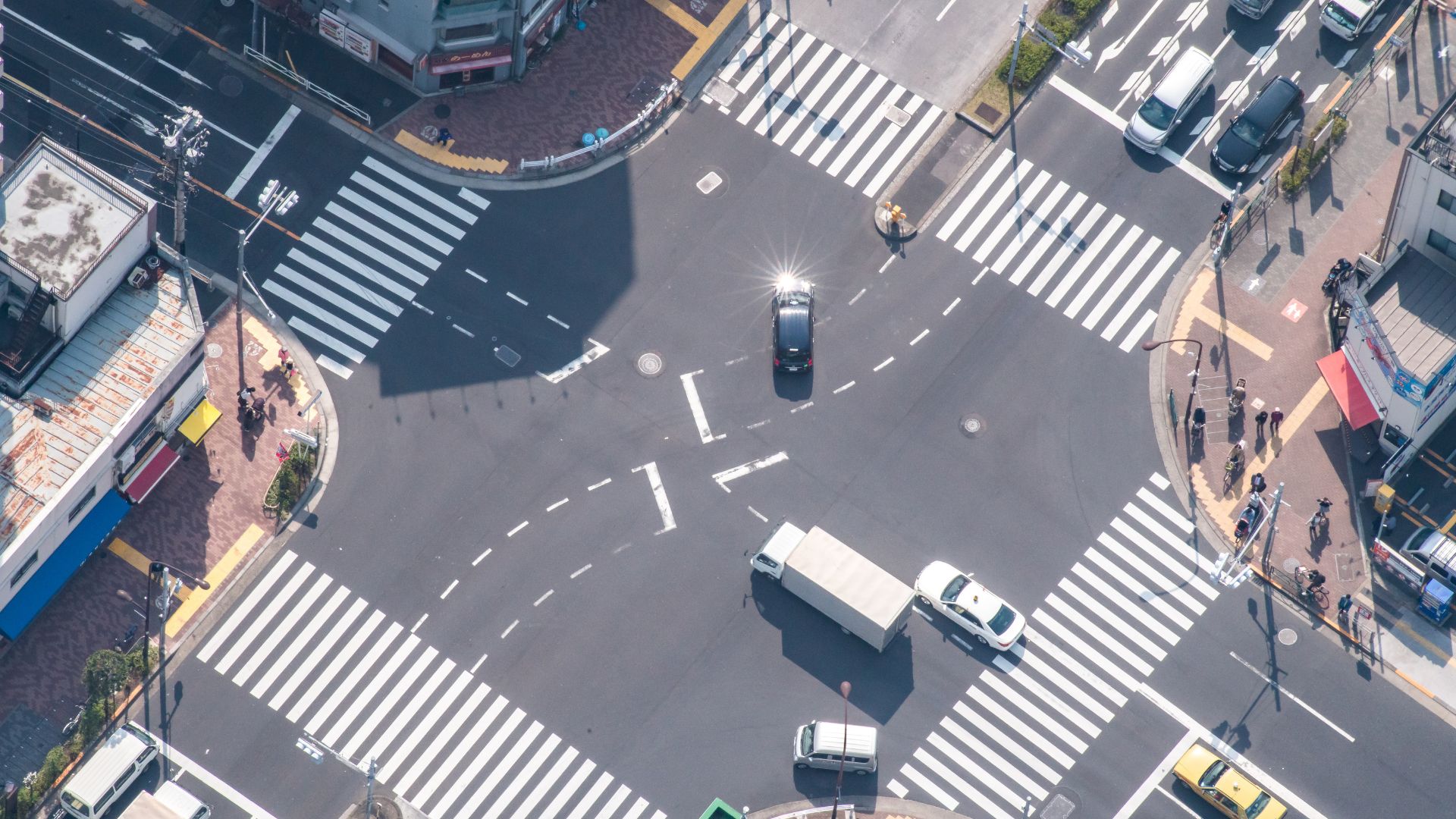
The high density of traffic at major crossings leads to a significant rise in the frequency of sudden collisions. It is essential for every driver to understand the risks and the common causes of intersection accidents in Austin to protect their safety. Staying informed helps you navigate the urban landscape with total confidence and care.
Right Of Way Disputes And T Bone Collisions
Right of way disputes are a primary cause of violent side impact collisions at busy crossings throughout the city today. These incidents often occur when a driver attempts to beat a changing light or fails to yield to oncoming traffic. The lack of communication between motorists leads to a very dangerous and sudden strike.
T-bone collisions are particularly devastating because the side of a vehicle offers very little structural protection for the occupants inside. The force of the impact is directed almost entirely into the cabin, leading to severe and life altering injuries. These events require a thorough investigation into the actions of every involved driver.
Proving who had the legal right to move requires a careful look at the timing of the signals and witness statements. When a driver runs a red light, they are responsible for the resulting trauma and the property damage caused. Establishing clear fault is the foundation of any successful legal claim for recovery.
The Danger Of High Volume Turning Lanes
High volume turning lanes present a unique set of challenges for drivers trying to navigate through a busy downtown corridor. Protected left turn signals provide a safe window for movement, but confusion often arises when the green arrow disappears. Drivers must then judge the gaps in a heavy flow of traffic.
Unprotected turns require a high level of situational awareness and the ability to estimate the speed of oncoming vehicles accurately. One small error in judgment can lead to a head on or side swipe collision in the middle of the intersection. These maneuvers are among the most dangerous on any road.
The design of the turning lane itself can also contribute to accidents if the visibility is blocked by other large vehicles. Staying focused on the signals and the movements of others is the only way to ensure a safe transition. Caution is the best defense against these common and very serious accidents.
Pedestrian And Cyclist Safety In Urban Zones
Urban zones with heavy foot traffic require a specific focus on the safety of non motorists who share the roadway. Pedestrians and cyclists are the most vulnerable participants in the traffic flow and suffer the most harm during a strike. Austin’s active lifestyle means that these groups are present at almost every corner.
Changing signal timings and the pressure of heavy traffic can lead to dangerous interactions between cars and people on foot. Drivers often overlook cyclists in their blind spots while they are focused on making a quick turn or merge. This lack of awareness is a major factor in urban trauma.
Cities must prioritize the creation of safe crossings and dedicated lanes to protect these individuals from the risks of traffic. By respecting the presence of everyone on the path, we can create a much more secure and healthy environment. Safety is a shared responsibility for every member of our growing community.
Utilizing HALO Cameras And Traffic Data
Local authorities have integrated advanced technology like HALO cameras to monitor the activity and the safety of the city’s busiest intersections. These devices provide a constant stream of high quality video that can be used to resolve conflicting stories after a crash. Digital evidence is an objective and silent witness.
Footage from these cameras allows investigators to see exactly who violated a signal or failed to yield the right of way. This transparency removes much of the guesswork from the legal process and helps reach a fair resolution. Traffic data also identifies patterns of behavior that lead to frequent and dangerous collisions.
Accessing this information requires a quick response to ensure the files are preserved for the insurance companies and the courts. Professional teams know how to secure this evidence to build a compelling argument for their clients. Technology is a powerful tool for finding the truth and ensuring justice for every survivor.
Navigating The Legal Path To Fault Determination
Reclaiming your stability after a collision involves a complex legal process to determine fault and secure the resources needed for healing. You must gather every piece of evidence from the scene and the hospital to build a strong foundation for your claim. Every detail counts toward a successful and just outcome.
Navigating the rules of the road requires a commitment to the facts and a deep understanding of the local statutes today. By working with a professional advocate, you can ensure that your rights are protected against the interests of insurance firms. Advocacy is the key to a much fairer and better result.
Reaching a final resolution allows you to put the trauma behind you and focus on your future with your family. It provides a sense of closure that is essential for your long term well being and peace. Justice is served when the responsible party is held accountable for intersection accidents Austin.