

A roof replacement is a major home project, but it becomes manageable when you treat it like a planned upgrade rather than an emergency fix. Clear steps help you control cost, reduce disruption, and protect your home while work is underway.
The decisions that matter most are timing, materials, permits, contractor selection, site prep, and contract details. With those pieces handled, you can focus on getting a roof system that performs well in your local weather.
Know When a New Roof Is Needed
Look for visible red flags: missing or curled shingles, bare patches where granules are gone, rusted or loose flashing, and sagging areas along the roofline. Inside, stains, peeling paint near ceilings, or damp attic insulation can signal leaks.
Age is a clue, not a verdict. A newer roof can fail after hail, wind, poor ventilation, or weak flashing, while an older roof can hold up if drainage and the deck are still sound. Ask for photos and a written explanation of what’s failing.
Replacement is often the better choice when leaks recur in multiple spots, repairs no longer blend in, or the roof deck has soft areas. In windy areas, upgraded attachment details and edge protection can help the roof system resist uplift and wind-driven rain.
Choose the Right Roofing Material
Asphalt shingles are common because they are affordable and widely available, but compare impact ratings, wind ratings, and the underlayment the installer will use. A quality bid should describe the full system, not just the shingle brand.
Metal roofing can offer long service life and strong shedding of rain and snow. It may cost more upfront, so confirm that trim, fasteners, ventilation changes, and any deck upgrades are included in the price.
In warm climates, reflective “cool roof” options may help reduce roof surface temperatures. ENERGY STAR explains that cool roofs are designed around higher solar reflectance and thermal emittance to stay cooler in the sun.
Select Roofing Contractors
Get at least three written bids with matching scope: tear-off, disposal, flashing replacement, underlayment type, ventilation plan, and cleanup. If scopes vary, ask bidders to revise so you can compare apples to apples.
Verify licensing and insurance in writing. In Virginia, the Department of Professional and Occupational Regulation provides a License Lookup tool to check a contractor’s status, and you should still request proof of liability and workers’ compensation coverage.
Ask the roofer to explain the bid line by line before you sign. If you’re starting your search locally, experts like Wholesale Roofers in Newport News are one option to contact for clear scope details, practical guidance, and a smoother path from estimate to install. Watch for pressure tactics, vague pricing, or large upfront payments, which the FTC flags as common scam signs.
Understand Permits, Codes, and HOA Rules
Many roof replacements require permits, and inspections can catch problems with decking, flashing, and ventilation before they become leaks. Ask who will pull the permit, what fees apply, and whether inspections are included in the schedule.
Codes differ by region and evolve, especially for ventilation, ice-and-water protection, and high-wind details. If you live near the coast or in storm corridors, confirm fastening patterns, edge metal, and underlayment requirements.
If you have an HOA, review the guidelines early. Color, profile, and even visible vents may need approval. Submitting samples and product sheets up front helps prevent delays once materials are ordered.
Plan the Job Site and Protect Your Home
A reroof brings noise, vibration, and debris. Move cars away from the drop zone, cover attic belongings, and remove fragile wall items. Tell neighbors when work is scheduled, especially if driveways or shared access are involved.
Ask how landscaping will be protected and how nails will be managed. Tarps, plywood shields, and magnet sweeps should be part of the plan. Set clear boundaries for kids and pets, because the work area is not safe.
Weather can change quickly, so discuss the “dry-in” plan in advance. A responsible crew limits open areas, stages the tear-off, and keeps materials ready to cover exposed decking in case of rain.
Finalize the Contract and Warranty
Your contract should list products, start expectations, the payment schedule, permit responsibility, and a change-order process. It should explain how hidden damage, like rotten decking, will be documented and priced.
Clarify warranties in plain language. Manufacturer warranties often address material defects, while workmanship warranties cover installation quality and may have separate terms. Keep product labels, photos, and receipts for future claims.
Before final payment, do a walkthrough and request close-up photos of valleys, vents, flashing, and drip edge. After the first heavy rain, a quick attic check can confirm there are no leaks and ventilation is working.
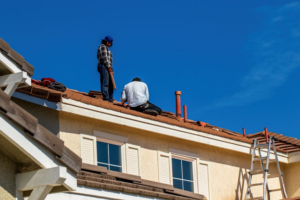
A smooth roof replacement comes from good timing, a material choice that fits your climate, and a contractor who details the full system. Permits and clear scopes protect you by turning expectations into something inspectable and enforceable.
Once installed, protect your investment with simple habits: keep gutters clear, trim overhanging branches, and do a quick visual check after major storms. Good documentation and routine care help your new roof last.