
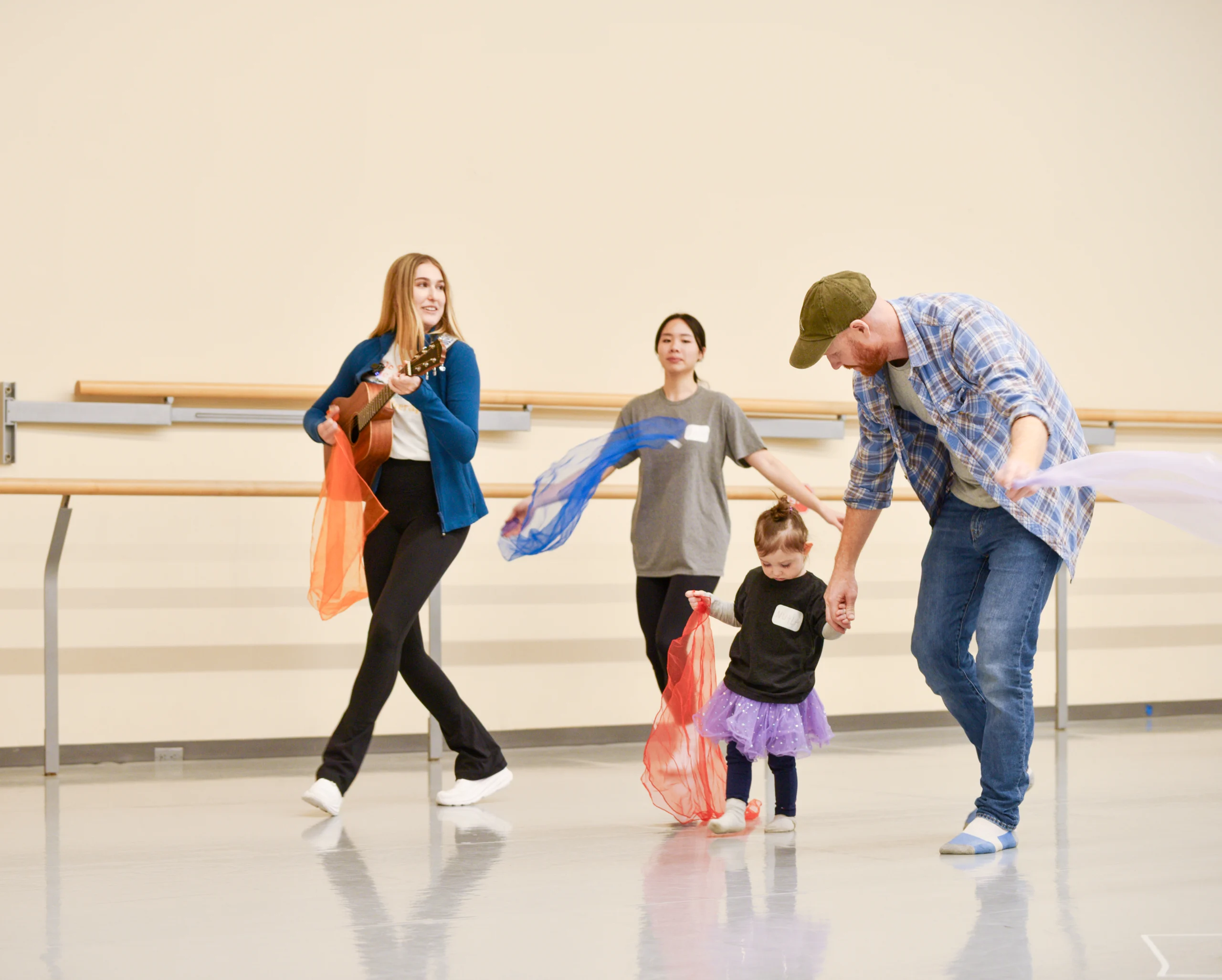
Adaptive dance is transforming the way children of all abilities experience movement, creativity, and confidence. In Toronto, inclusive dance programs give kids a safe, supportive space to express themselves while developing physical and social skills. Parents are discovering that adaptive dance can make a lasting difference in their child’s growth and happiness.
Adaptive Dance Classes Toronto For Children Of All Abilities
Adaptive dance classes toronto programs are designed to welcome children with diverse physical, cognitive, and developmental needs. Unlike traditional classes, these programs adjust movements, teaching styles, and pacing so every child can participate comfortably. The goal is not perfection or competition, but enjoyment, self-expression, and progress at each child’s own speed.
In these classes, instructors often use visual cues, gentle prompts, and modified choreography. Some children may dance in wheelchairs, while others may need extra time to learn a step. Adaptive dance creates an environment where differences are embraced and each child’s unique abilities are celebrated. This supportive atmosphere helps children feel confident and motivated to keep learning.
Parents also notice positive changes beyond the dance floor. Many children improve their balance, coordination, and focus. Others become more social and comfortable interacting with peers. Adaptive dance classes offer not just movement, but a path toward greater independence and self-esteem.
Benefits Of Adaptive Dance Classes Toronto For Physical And Emotional Growth
Adaptive dance classes toronto provide a wide range of benefits for children with different needs. Physically, dance improves strength, flexibility, posture, and coordination. Even simple movements can help build muscle memory and body awareness, which are essential for everyday activities.
Emotionally, these classes offer a safe outlet for creativity and expression. Children who may struggle with communication often find it easier to express themselves through movement and music. The sense of accomplishment that comes from learning a routine or performing in front of others can greatly boost confidence.
What To Expect From An Adaptive Dance Class?
When attending an adaptive dance class, parents and children can expect a welcoming and flexible environment. Classes typically begin with a gentle warm-up to prepare the body for movement. This might include stretching, breathing exercises, or simple rhythmic motions.
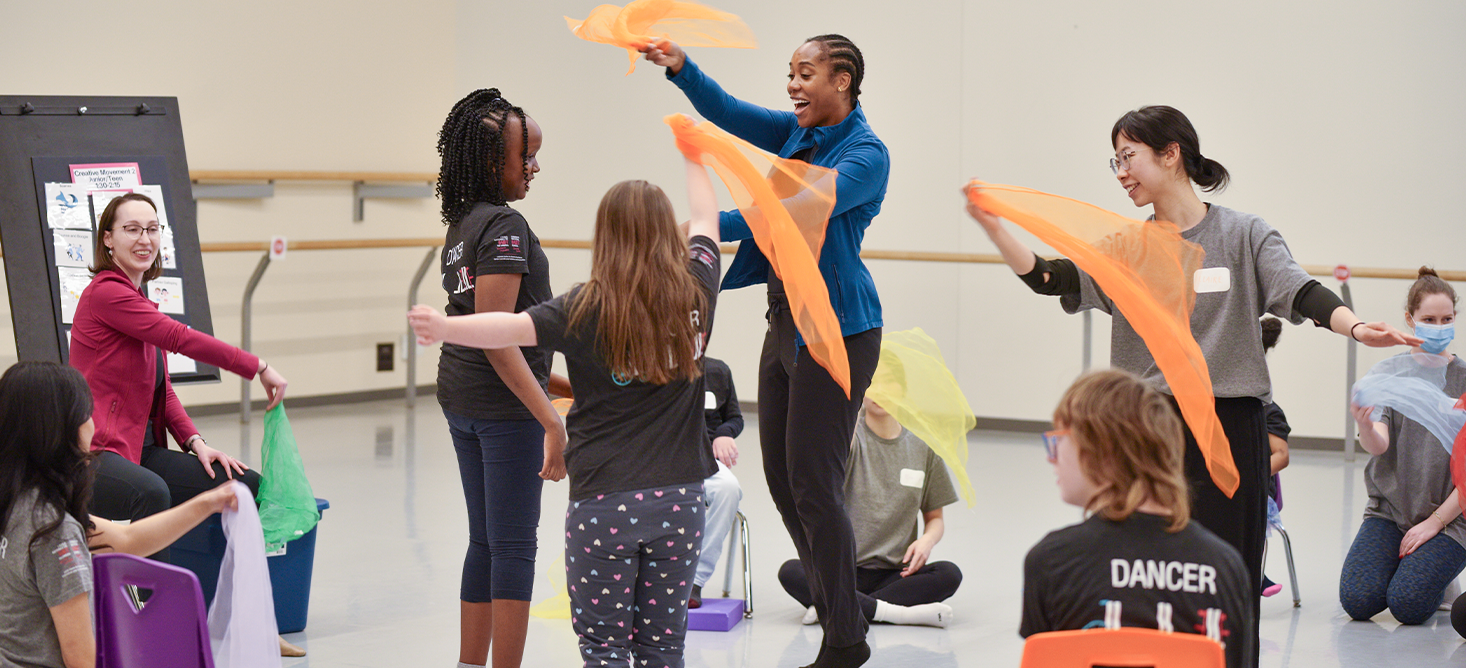
After the warm-up, instructors introduce easy choreography or creative movement activities. These may involve props, storytelling, or music-based games that encourage imagination. Teachers often repeat movements and offer multiple ways to complete each step, ensuring every child can participate comfortably.
Class sizes are usually smaller than traditional dance programs. This allows instructors to give more personalized attention and adjust activities as needed. Many programs also invite parents or caregivers to observe or assist, especially during the early stages. The overall atmosphere is calm, supportive, and focused on enjoyment rather than pressure.
How To Choose The Right Adaptive Dance Program?
Selecting the right adaptive dance program is an important step for parents. Every child has unique needs, so it’s essential to find a class that matches their abilities and personality. Start by researching programs that specialize in adaptive or inclusive dance rather than general classes with minimal modifications.
Look for instructors who have experience working with children with disabilities or special needs. Training in adaptive physical education, occupational therapy, or similar fields can be a strong advantage. It’s also helpful to ask about class size, structure, and teaching methods.
Visiting a class or speaking directly with instructors can give parents a better sense of the environment. Notice whether the atmosphere feels welcoming and whether teachers communicate clearly with both children and parents. A good adaptive dance program should focus on encouragement, patience, and individualized support.
Why Adaptive Dance Encourages Social Skills And Confidence?
Adaptive dance is not only about physical movement—it also plays a powerful role in building social skills. Children interact with peers, follow group instructions, and learn to share space on the dance floor. These experiences help them develop communication and teamwork abilities.
Performances, even small in-class showcases, can be especially meaningful. Standing in front of an audience and completing a routine gives children a strong sense of achievement. It teaches them that their efforts are valued and celebrated.
Over time, many children become more confident in other areas of life. They may feel more comfortable speaking in class, making friends, or trying new activities. Adaptive dance provides a supportive environment where children learn that challenges can be overcome with practice and encouragement.
How Parents Can Support Their Child’s Dance Journey?
Parents play an important role in their child’s success in adaptive dance. Encouragement at home can make a big difference in motivation and confidence. Simple activities like playing music and dancing together can help children practice skills learned in class.
Consistency is also important. Attending classes regularly allows children to build routines and feel more comfortable in the environment. Parents should communicate with instructors about any concerns, progress, or changes in the child’s needs.
Celebrating small achievements is key. Whether it’s learning a new step, participating in a group activity, or performing on stage, every milestone deserves recognition. Positive reinforcement helps children associate dance with happiness and success.
Conclusion
Adaptive dance classes in Toronto are opening doors for children of all abilities. These inclusive programs help improve physical health, emotional expression, and social confidence. With supportive instructors and flexible teaching methods, every child can enjoy the joy of movement.