
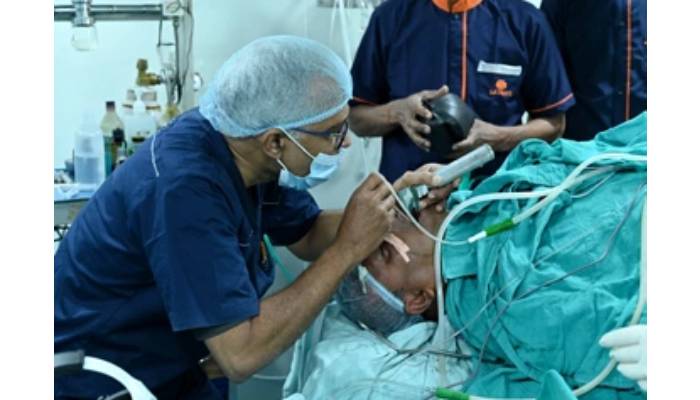
Adenoidectomy is a surgical procedure for removing the adenoids, which are lymphatic tissues that can cause issues like chronic ear infections or difficulties in breathing for children. The Adenoidectomy surgery in Varanasi is usually done under general anesthesia and lasts around 15 to 30 minutes. After the operation, patients will spend some time in recovery, typically experiencing symptoms like a sore throat and mild bleeding. Proper home care is essential; it includes resting, staying hydrated, and eating soft foods to ease discomfort. Following up with an ENT specialist post-surgery helps ensure healing progresses smoothly while significantly improving health outcomes over time.
Overview of Adenoidectomy Surgery
Adenoidectomy is a common surgical procedure aimed at removing the adenoids, which are small masses of lymphatic tissue located at the back of the nasal cavity. While these tissues play a role in helping the body fight infections, they can sometimes become enlarged and cause various health issues, particularly in children. This Adenoidectomy surgery in Varanasi is often recommended when enlarged adenoids lead to chronic ear infections, difficulty breathing, or sleep disturbances like snoring or obstructive sleep apnea.
Typically performed as an outpatient procedure, adenoidectomy allows children to return home on the same day as their surgery. Understanding the nuances of this operation can help ease the worries of both parents and young patients. Many families find that after removing the adenoids, their children experience fewer illnesses and improved sleep quality, resulting in less time away from school. Although the adenoids contribute to immune function, their removal does not significantly affect overall health, making this surgery a viable option for those suffering from related issues.
In some cases, adenoidectomy may be performed alongside tonsillectomy, especially if both tissues are enlarged. The procedure itself is relatively quick, usually taking about 15 to 30 minutes, and is considered safe when conducted by a qualified surgeon. Parents often report noticeable improvements in their children’s quality of life post-surgery, including less frequent doctor visits and enhanced well-being.
Reasons to Consider Adenoidectomy
Adenoidectomy is often considered when children face repeated ear infections, which can lead to hearing loss. Enlarged adenoids can also cause chronic nasal congestion, negatively impacting a child’s speech development and overall quality of life. If a child suffers from sleep apnea or has difficulty breathing during sleep, removing the adenoids may provide significant relief. Additionally, persistent sinus infections that do not respond to other treatments might make surgery necessary. Moreover, enlarged adenoids can worsen allergies, and their removal could help alleviate some symptoms. Dental issues, such as misaligned teeth caused by mouth breathing, can also arise from enlarged adenoids. Some children struggle with chronic bad breath due to this condition, which can be quite distressing. Parents frequently seek this surgery when they notice behavioral issues in their children linked to sleep deprivation. Better breathing after the surgery can enhance a child’s ability to engage in physical activities without feeling breathless. Lastly, if a child experiences frequent inflammation of the adenoids, called adenoiditis, surgery is often a viable option.
Details of the Surgical Procedure
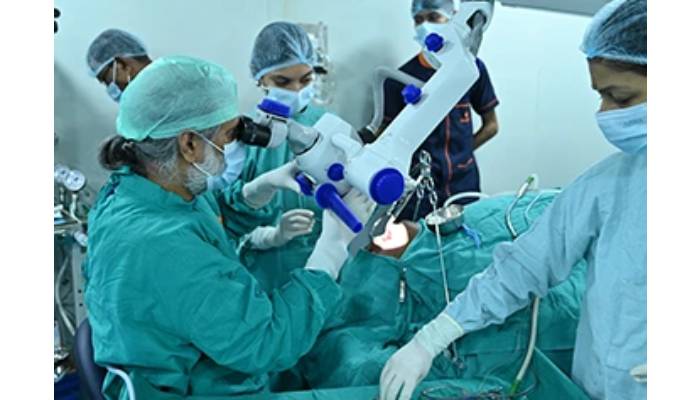
Adenoidectomy is performed under general anesthesia, allowing the child to remain completely comfortable and pain-free throughout the operation. The procedure typically lasts between 15 to 30 minutes, making it a quick outpatient surgery. Surgeons use specialized instruments to access the adenoids through the mouth, which means no external incisions are necessary. This technique helps reduce recovery time and minimizes the risk of scarring.
During the surgery, cauterization is often employed to minimize bleeding, ensuring a safer experience for the child. After the adenoids are removed, a suction device may be used to clear any debris from the throat, promoting a clean surgical site. Following the procedure, patients are closely monitored in the recovery area for about 45 minutes to ensure they are stable before being discharged.
Before surgery, the surgeon will assess the child’s overall health to confirm they are fit for the procedure. Parents are encouraged to discuss any concerns with the surgeon beforehand, providing peace of mind. Additionally, the adenoid tissue that is removed is typically sent for examination to rule out any abnormal growths, further ensuring the child’s safety.
What Happens After Adenoidectomy?
After an adenoidectomy, children may go through a recovery phase that can include a sore throat and nasal congestion, stemming from the anesthesia used during the surgery. While mild bleeding can happen, it is usually not serious unless it becomes excessive or doesn’t stop. It’s common for kids to feel nauseous or experience ear pain, but these symptoms generally resolve within a few days. To support recovery, it’s crucial for children to rest and avoid any physical activities for at least a week. Staying hydrated is important, so parents should encourage their children to drink plenty of fluids, which can help soothe a sore throat. Soft, lukewarm foods are recommended since kids may become sensitive to temperature changes. Changes in appetite are also normal after surgery, so patience is key during this time. Most children can return to school and resume normal activities about a week after surgery, depending on how well they are healing. Parents should keep an eye out for any signs of complications, such as a high fever or excessive pain, and follow-up appointments with the ENT specialist are essential to ensure everything is healing properly.
- Post-surgery, children may experience a sore throat and nasal congestion as they recover from anesthesia.
- Mild bleeding may occur but is usually not a cause for alarm unless it is excessive or persistent.
- Nausea and ear pain are common but generally resolve within a few days after surgery.
- Patients are often advised to rest and avoid physical activity for a week to aid recovery.
- Hydration is crucial, and children should be encouraged to drink plenty of fluids to soothe the throat.
- Parents should monitor their child for any signs of complications, such as high fever or excessive pain.
- Children may be sensitive to temperature changes, so soft, lukewarm foods are recommended.
- It is normal for children to experience changes in their appetite post-surgery, so patience is key.
- Children may return to school and normal activities after about one week, depending on their recovery progress.
- Follow-up appointments are essential to assess healing and address any lingering concerns.
Post-Operative Care Guidelines
After an adenoidectomy, proper care is essential for a smooth recovery. First, ensure your child stays well-hydrated by encouraging them to drink fluids regularly, as this helps prevent dehydration. A soft diet is also recommended, so consider introducing foods like pudding, mashed potatoes, or applesauce to minimize throat discomfort. Keep an eye out for any signs of complications, such as persistent bleeding or a high fever, and seek medical help if these occur. For pain management, over-the-counter pain relievers may be administered, but always follow your physician’s recommendations.
Physical activity should be limited for at least two weeks, so avoid allowing your child to engage in running or jumping to prevent complications. Gradually reintroduce normal activities based on your child’s comfort and recovery progress. During the first few days, encourage rest and quiet activities to promote healing, and maintain a calm environment to help your child relax.
Follow-up appointments with the healthcare provider are important for assessing recovery and ensuring no complications arise. It’s also helpful to document any changes in symptoms or unusual behaviors to discuss during these visits.
Long-Term Benefits of Surgery
Many patients notice lasting improvements after adenoidectomy. One of the most significant benefits is a marked reduction in the frequency of ear and sinus infections, which can be a relief for both children and parents. Improved breathing often leads to better sleep quality, which helps reduce snoring and promotes overall health. For children, this better sleep translates into enhanced focus and concentration, allowing them to engage more effectively in school and daily activities. Parents frequently report increased energy levels in their children, who feel healthier and more active.
Additionally, reduced mouth breathing can contribute to better oral health and can aid in the alignment of teeth as children grow. The surgery may lead to fewer missed days of school, ultimately benefiting academic performance. Many families also notice improvements in social interactions and play, as children feel more energetic and less hindered by health issues. In some cases, patients experience a decrease in the severity of allergies related to adenoid enlargement. Moreover, the need for frequent doctor visits and medical treatments for recurrent conditions often diminishes, contributing to a more stable and healthier lifestyle. Overall, the long-term benefits of adenoidectomy can significantly enhance a child’s quality of life.
Frequently Asked Questions
What is adenoidectomy surgery and why might someone need it?
Adenoidectomy is a surgery to remove the adenoids, which are small lumps of tissue at the back of the throat. People might need this surgery if their adenoids are swollen or infected, causing breathing problems, sleep issues, or frequent ear infections.
How is the adenoidectomy procedure performed?
During the surgery, the doctor makes a small cut in the mouth to reach the adenoids. The adenoids are then carefully removed. The surgery usually takes about 30 minutes and is done under general anesthesia, so the patient is asleep.
What can I expect during recovery after adenoidectomy?
After the surgery, patients may feel some pain or discomfort in the throat. It’s common to have a sore throat, and soft foods are recommended. Most people can return to normal activities within a week, but full recovery might take a bit longer.
Are there any risks or complications associated with adenoidectomy?
Like any surgery, adenoidectomy comes with some risks, but they are rare. Possible complications include bleeding, infection, or reactions to anesthesia. It’s important to discuss these risks with the doctor before the surgery.
How can I prepare for my child’s adenoidectomy surgery?
To prepare for the surgery, make sure your child has a pre-surgery appointment with the doctor. Follow any instructions about food and drink before the surgery, and plan for some recovery time at home after the procedure.
TL;DR Adenoidectomy is a surgical procedure to remove enlarged adenoids, often performed on children to relieve chronic infections or breathing issues. The surgery takes about 15 to 30 minutes under general anesthesia, followed by monitoring in recovery. Post-operative care includes rest, hydration, and a soft diet, with activity restrictions for about two weeks. The long-term benefits can include fewer infections and improved sleep quality. Consult an ENT specialist in Varanasi for personalized guidance.