
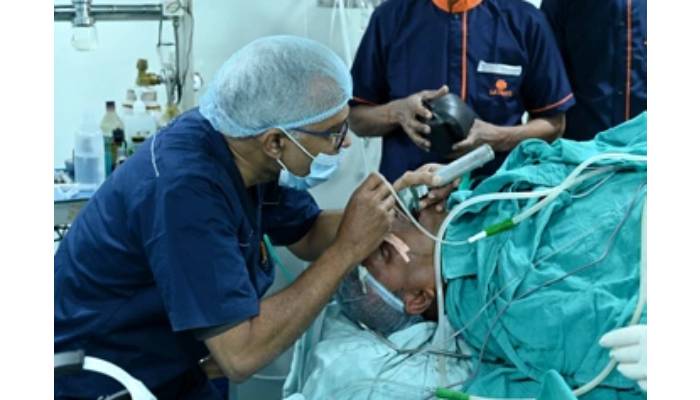
Adenoidectomy is a common surgery for children that involves the removal of enlarged adenoids located at the back of the nasal cavity. This procedure can help alleviate issues like chronic ear infections and sleep disturbances. Generally performed under general anesthesia, the surgery lasts about 15 to 30 minutes, allowing kids to go home the same day. In the first 48 hours post-surgery, children might face some discomfort, such as a sore throat and mild bleeding. Most are ready to return to school within a week, enjoying improved health and overall vitality as their recovery progresses. Regular follow-ups ensure everything goes smoothly during healing.
Overview of Adenoidectomy
Adenoidectomy surgery in Varanasi is a common surgical procedure that involves the removal of the adenoids, small lumps of lymphatic tissue located at the back of the nasal cavity. While these tissues play a role in the immune system by helping to fight infections, they can cause significant health issues when they become enlarged. Enlarged adenoids can obstruct the airway, leading to breathing difficulties, particularly during sleep, and can trigger symptoms such as chronic nasal congestion, mouth breathing, and recurrent sinus infections. This procedure is most often performed on children, although adults may also require it in certain situations. Adenoidectomy is typically a straightforward surgery, conducted in a hospital or surgical center, that can lead to improved speech and a reduction in ear infections. Physicians usually recommend this surgery if less invasive treatments have not resolved the issues. After the procedure, many patients experience considerable relief from the symptoms caused by enlarged adenoids, making a significant difference in their overall quality of life.
Surgical Procedure Details
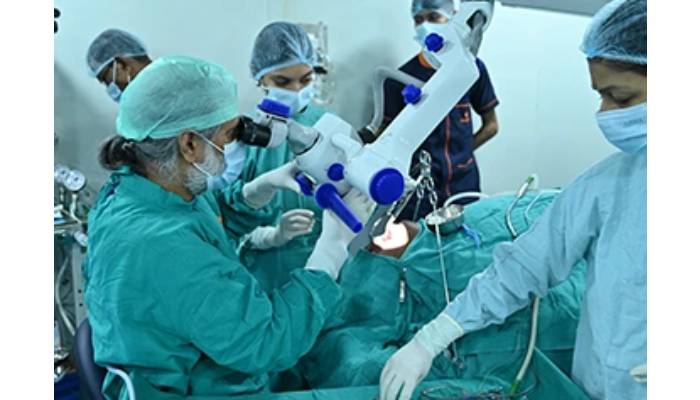
Before the surgery, patients typically undergo a thorough evaluation by an ENT specialist to ensure they are suitable candidates for the procedure. Adenoidectomy is commonly performed under general anesthesia, which means the child will be completely asleep and pain-free throughout the operation. The surgeon accesses the adenoids through the mouth, which means no external incisions are necessary. This technique allows for a minimally invasive approach. During the operation, specialized instruments are used to carefully excise the adenoids, ensuring precision and safety. Blood loss during the procedure is usually minimal, and complications are rare, making it a generally safe option. In some cases, if the tonsils are also enlarged or problematic, the surgeon might perform a tonsillectomy at the same time. The entire surgical procedure typically lasts between 15 to 30 minutes, and once completed, patients are closely monitored for any immediate complications in a recovery area. If the patient is stable, they can usually be discharged within a few hours after surgery. Parents receive clear instructions about postoperative care, including important signs to watch for that may indicate complications.
Recovery Timeline After Surgery
The recovery process after an adenoidectomy surgery can vary from child to child, but it generally follows a straightforward timeline. The initial recovery phase starts right after the surgery and lasts about 48 hours. During this time, it’s crucial to monitor the child closely for any signs of complications. In the first few days, children may experience discomfort, such as a sore throat, mild bleeding, and sometimes nausea or ear pain. It’s important to ensure they get plenty of rest and stay hydrated to aid in healing. By the end of the first week, most children feel much better and can typically return to light activities. Parents should focus on dietary recommendations, offering soft and cool foods like applesauce, yogurt, and ice cream to soothe throat pain. As the recovery progresses, children usually return to school within one to two weeks, depending on how they are feeling. Follow-up appointments with an ENT specialist are essential to check on healing and address any concerns. Full recovery can take up to two weeks, but many children show gradual improvement in symptoms well before that.
Initial Recovery Phase
In the first 48 hours after adenoidectomy, children may feel tired and a bit irritable. This is often due to discomfort and the effects of medication. Pain management is very important during this time, so it’s essential to follow the doctor’s advice on using over-the-counter pain relievers. Hydration is also crucial; encouraging your child to drink plenty of fluids can help prevent dehydration and soothe their throat.
It’s best to avoid strenuous activities and allow your child to rest, as this helps promote healing. Parents should keep a close eye on their child for any unusual symptoms, such as a high fever or excessive bleeding, which would require immediate medical attention. Creating a calm and quiet environment can help children adjust after surgery.
Using a humidifier in their room may ease throat discomfort and promote better breathing. It’s also wise to encourage children to avoid coughing or clearing their throat, as this might irritate the surgical site. Regularly checking in with your child and providing comfort can help ease any anxiety they may feel during recovery. A supportive atmosphere can make a significant difference in helping children cope with the initial discomfort following their surgery.
- In the first 48 hours, children may feel tired and irritable due to discomfort and medication effects.
- Pain management is crucial; follow the doctor’s advice on using over-the-counter pain relievers.
- Hydration is essential; encourage fluid intake to prevent dehydration and soothe the throat.
- Avoiding strenuous activities and encouraging rest helps promote healing during this phase.
- Parents should monitor for any unusual symptoms like high fever or excessive bleeding, which require immediate medical attention.
- Keeping the environment calm and quiet can help children adjust after surgery.
- Using a humidifier may ease throat discomfort and promote better breathing.
- Encourage children to avoid coughing or throat clearing, which may irritate the surgical site.
- Regularly checking in with the child and providing comfort can ease anxiety during recovery.
- A supportive atmosphere can help children cope with the initial discomfort of recovery.
First Week of Healing
The first week after an adenoidectomy can be challenging, yet most children start to feel better within a few days. It’s common for them to experience some lingering pain during this time. To help ease throat discomfort, parents should encourage soft, cold foods such as smoothies, popsicles, and yogurt. These options not only soothe the throat but also provide essential nutrition. Keeping children hydrated is crucial, so offering water and clear fluids throughout the week is important.
Children may show changes in appetite due to throat pain, but it’s helpful to encourage them to eat small amounts. Rest remains a priority, and children should avoid vigorous activities as their bodies heal. Parents should monitor for signs of complications, like persistent high fever or difficulty swallowing, which may require medical attention. Social interactions can play a positive role in recovery; allowing kids to connect with friends can lift their spirits and help them feel less isolated.
As the week progresses, gradually reintroducing normal activities can assist in helping children feel like themselves again. It’s vital to continue monitoring pain levels, adjusting pain management strategies as needed. Providing reassurance and support throughout this week can significantly help children cope with any anxiety about returning to their everyday routines.
Importance of Follow-Up Care
Follow-up care after adenoidectomy is crucial for ensuring a smooth recovery. Appointments are usually scheduled for 4 to 6 weeks post-surgery, allowing healthcare providers to monitor healing and address any lingering symptoms. Parents should come prepared with a list of questions or concerns to make the most of these visits. It’s important to monitor for complications like excessive bleeding, infection, or dehydration, which can arise after surgery. Keeping track of your child’s recovery progress and noting any changes can help in this process. If unusual symptoms appear, don’t hesitate to contact your healthcare provider before the follow-up appointment. This ongoing communication can significantly promote a successful recovery. Additionally, follow-up visits reinforce the importance of health monitoring for respiratory issues, ensuring that children are healing properly and safely returning to their normal activities. Educational materials about postoperative care may also be provided during these visits, further supporting parents and their children during the recovery journey.
Common Symptoms to Expect
After adenoidectomy surgery, it’s common for children to experience a few symptoms during their recovery. Throat soreness tends to be the most noticeable issue, lasting several days and making swallowing uncomfortable. Alongside this, nasal congestion may linger as the swelling around the surgical site gradually decreases. Children might also feel unusually fatigued as their bodies work to heal. It’s important to note that a slight fever can occur post-surgery; however, if it exceeds 101°F, parents should consult a doctor. Pain can sometimes be referred to the ears, causing discomfort even if the ears themselves are healthy. Appetite changes are also typical during this period, as children may not feel like eating much due to throat pain. Additionally, mood swings, including irritability, can be expected, reflecting their discomfort and fatigue. Some children may develop bad breath, which is usually temporary and due to healing tissue and scabs in the throat. To help children cope, encouraging gentle activities can be beneficial, allowing them to adjust to their fluctuating energy levels. Regular check-ins from parents can provide insight into their child’s physical comfort and emotional state during recovery.
Pain Management Strategies
After an adenoidectomy, managing your child’s pain effectively is crucial for a smooth recovery. Over-the-counter pain relievers like acetaminophen or ibuprofen are commonly recommended. It’s important to follow dosage instructions carefully based on your child’s age and weight to ensure safety and effectiveness. In addition to medication, applying cold compresses to the throat area can help reduce swelling and provide comfort.
Encouraging your child to rest and minimizing their speech can significantly lessen throat irritation. While monitoring their pain levels, be prepared to adjust your pain management strategies as needed. If your child experiences persistent or worsening pain, consulting with their healthcare provider is essential.
Keeping your child well-hydrated aids in soothing the throat; offering cold fluids like water or electrolyte drinks can be especially beneficial. When it comes to meals, soft foods such as applesauce, yogurt, or ice cream are easier to swallow and can minimize discomfort.
Using a humidifier in their room may help relieve any dryness in the air, further soothing their throat. Lastly, providing emotional support and reassurance can also help your child cope with pain, making the recovery process a bit easier.
Long-Term Benefits After Surgery
Many patients notice a marked decrease in ear and sinus infections following adenoidectomy. This improvement can significantly reduce the need for frequent doctor visits. Parents often report that their children experience better sleep quality as improved breathing during sleep leads to less snoring and more restful nights. This is especially impactful for children who previously faced sleep disturbances. Additionally, children may show enhanced focus and energy levels, positively influencing their daily activities and academic performance.
The surgery can also improve oral health, as reduced mouth breathing often leads to better dental outcomes. Some children even find improvements in speech clarity, thanks to reduced nasal obstruction. Overall, many families observe a better quality of life post-surgery, with children engaging more in physical activities due to improved airflow, which enhances exercise tolerance. Follow-up studies consistently show sustained benefits related to health and wellness in children who have undergone this procedure, making adenoidectomy a valuable option for those suffering from related health issues.
Frequently Asked Questions
What should I expect during the recovery period after adenoidectomy surgery?
After adenoidectomy surgery, you can expect some discomfort, like a sore throat or ear pain. It’s normal to feel tired and have some nasal congestion as your body heals.
How long does it usually take to fully recover from the surgery?
Full recovery from an adenoidectomy typically takes about two weeks, but you may feel much better in just a few days.
Are there specific activities I should avoid while recovering from the surgery?
Yes, during recovery, it’s best to avoid strenuous activities, heavy lifting, and swimming until your doctor gives you the go-ahead.
What signs indicate that there might be a problem during recovery?
If you experience severe pain, heavy bleeding, or a high fever after the surgery, you should contact your doctor right away.
When can I expect to return to school or work after the surgery?
Most people can return to school or work within one to two weeks after the surgery, depending on how they feel and their doctor’s advice.
TL;DR Adenoidectomy is a common surgery to remove enlarged adenoids, often recommended for children facing chronic ear infections, breathing difficulties, or sleep issues. The procedure is quick, typically requiring 15 to 30 minutes under general anesthesia. Recovery usually takes 1 to 2 weeks, with the first 48 hours involving symptoms like sore throat and mild pain. Most children can return to normal activities within 5 to 10 days, with follow-up care advised 4 to 6 weeks post-surgery. Long-term benefits include fewer infections, better sleep quality, and improved focus.