
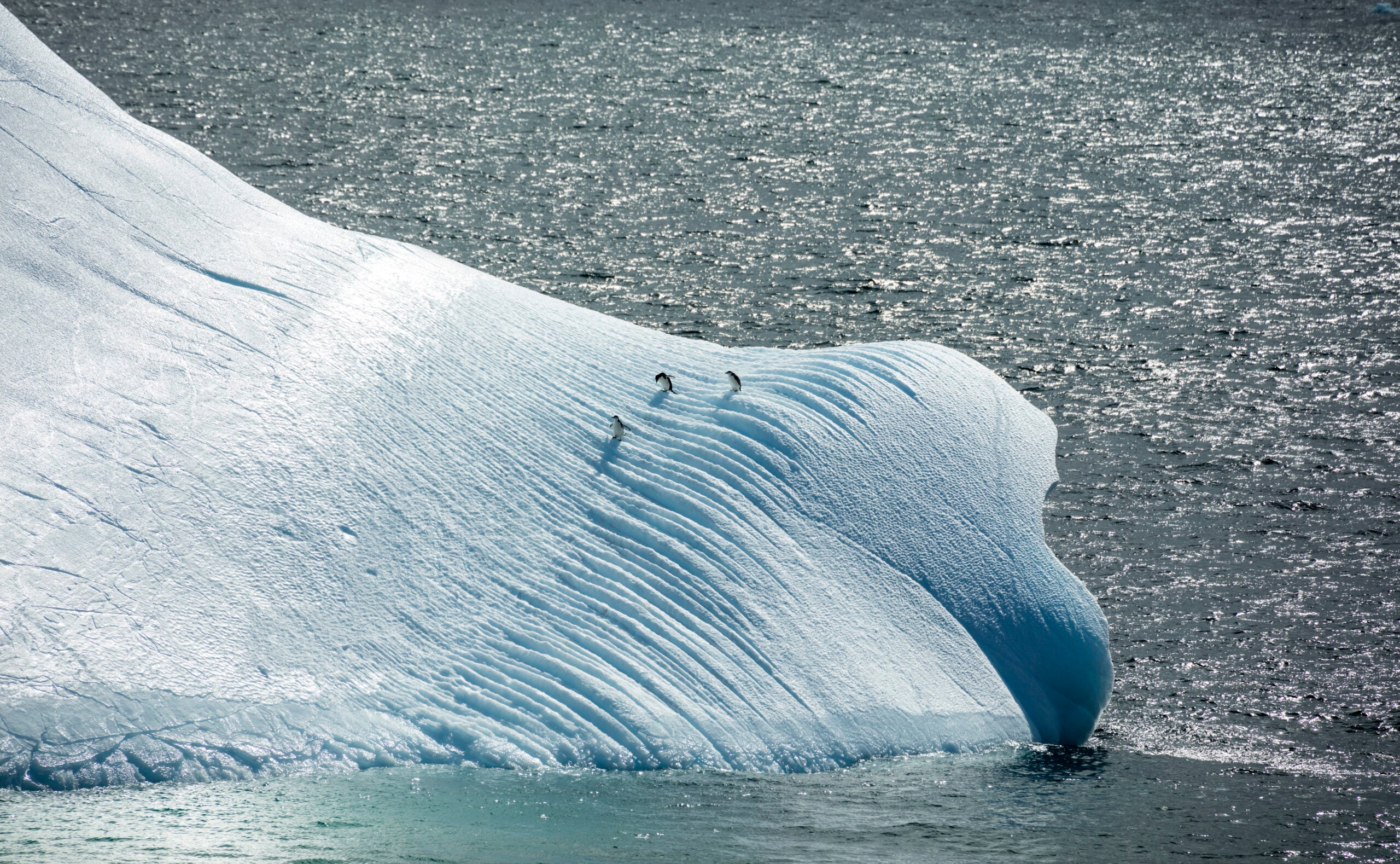
An Antarctica cruise is worth the money if it is a bucket-list priority you can afford without strain, because nothing else on Earth replicates it. Expect $9,000 to $20,000 per person for a standard 10 to 14 day expedition, plus $2,500 to $5,500 in flights, gear, and insurance. For most who go, it is the best trip they ever take.
What an Antarctica Cruise Costs in 2026
Antarctica is the most logistically difficult destination on Earth, and the pricing shows it. For a typical 10 to 14 day Antarctic Peninsula expedition in 2026, expect $9,000 to $20,000 per person for the cruise fare, with the industry-wide average around $10,500. Published starting fares from September 2026 illustrate the range: HX listed a 12-day Highlights of Antarctica from $8,830 per person, Lindblad Expeditions listed a 12-day voyage from $11,900, Quark Expeditions listed an 11-day sailing from $12,236, and Viking listed a 13-day expedition from $14,999.
The fare is only the starting line. International flights to Ushuaia or Punta Arenas, polar gear, mandatory evacuation insurance, gratuities, and pre- and post-cruise hotels typically add $2,500 to $5,500 per person. A realistic mid-range Antarctica trip lands around $14,000 all-in per person.
At the top end, ultra-luxury all-inclusive voyages with Scenic, Seabourn, and Silversea run $20,000 to $50,000 per person, with private yacht charters climbing far higher. The single biggest cost decision is not cabin class but whether you sail or fly across the Drake Passage: fly-cruise programs add roughly $4,000 to $7,000 to the fare while cutting two sea days each way.
What the Money Actually Buys
The price reflects expedition logistics that do not exist anywhere else in cruising. Antarctica-bound ships must be ice-strengthened polar-class vessels with redundant safety systems and full environmental compliance under IAATO protocols. There are no ports and no resupply infrastructure, so every gallon of fuel, every meal, and every piece of medical equipment is loaded in South America before departure. Ships carry 100 to 250 guests rather than thousands, which is itself a major cost driver.
What you get in return is access, not amenities. Days are built around Zodiac landings, usually two per day, stepping onto shores where penguin colonies number in the hundreds of thousands. South Georgia itineraries, which add $5,000 to $12,000 to the fare, include Salisbury Plain and St Andrews Bay, home to more than 500,000 king penguins plus elephant seals, fur seals, and wandering albatross. Expedition staff typically include marine biologists, ornithologists, historians, and professional photographers. On luxury expedition ships from the best luxury cruise lines for 2026, the experience adds butler service, 1:1 crew ratios, and even helicopters and submarines.
Compare that with a Caribbean cruise of the same length at one-tenth the price and the value question sharpens. You are not paying for a nicer version of a familiar product. You are paying for the only commercial way to stand on the seventh continent.
What Is Typically Included in the Fare
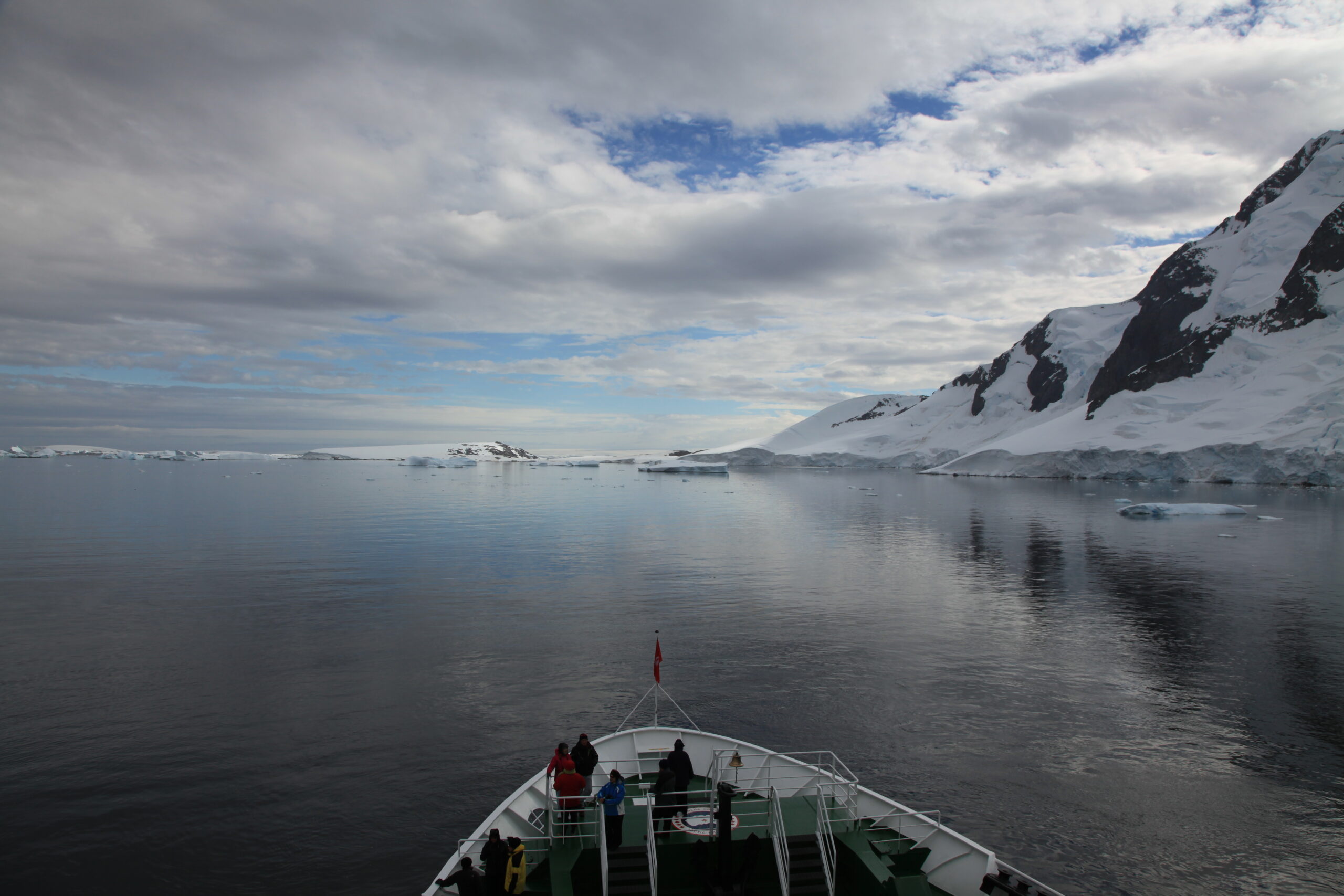
Expedition fares bundle far more than a mainstream cruise ticket. Accommodation, all meals, and twice-daily Zodiac landings with the expedition team are standard across reputable operators. Most lines include rubber boots on loan, a polar-grade expedition parka to keep, and a full program of lectures and photo workshops during sea days. Premium and luxury operators add open bars, Wi-Fi, gratuities, and sometimes the charter flight to Ushuaia. What is almost never included: international airfare to South America, the mandatory evacuation insurance, and pre-cruise hotel nights. Read the inclusions list line by line, because a fare that looks $3,000 higher may actually be the better value once you add back what the lower fare omits.
The Drake Passage Question
Every traveler asks about the Drake. The passage is about 600 miles (965 km) wide, and most expedition ships take roughly 48 hours to cross it between Ushuaia and the Antarctic Peninsula. Waves can reach 10 meters in stormy weather, the infamous Drake Shake. But calm crossings, nicknamed the Drake Lake, are common enough that veterans advise preparing for the worst while expecting something manageable. Modern expedition vessels carry stabilizers, and seasickness medication handles most of the rest.
If the crossing genuinely worries you, fly-cruise programs skip it with a roughly two-hour charter flight from Punta Arenas to King George Island, where you board the ship directly. Antarctica21 pioneered the model. You trade the rite of passage and the albatross sightings for two extra days on the continent. Travelers who get seriously seasick consistently say the premium was worth it. Everyone else tends to treasure the crossing as part of the story.
When to Go: The Season Month by Month
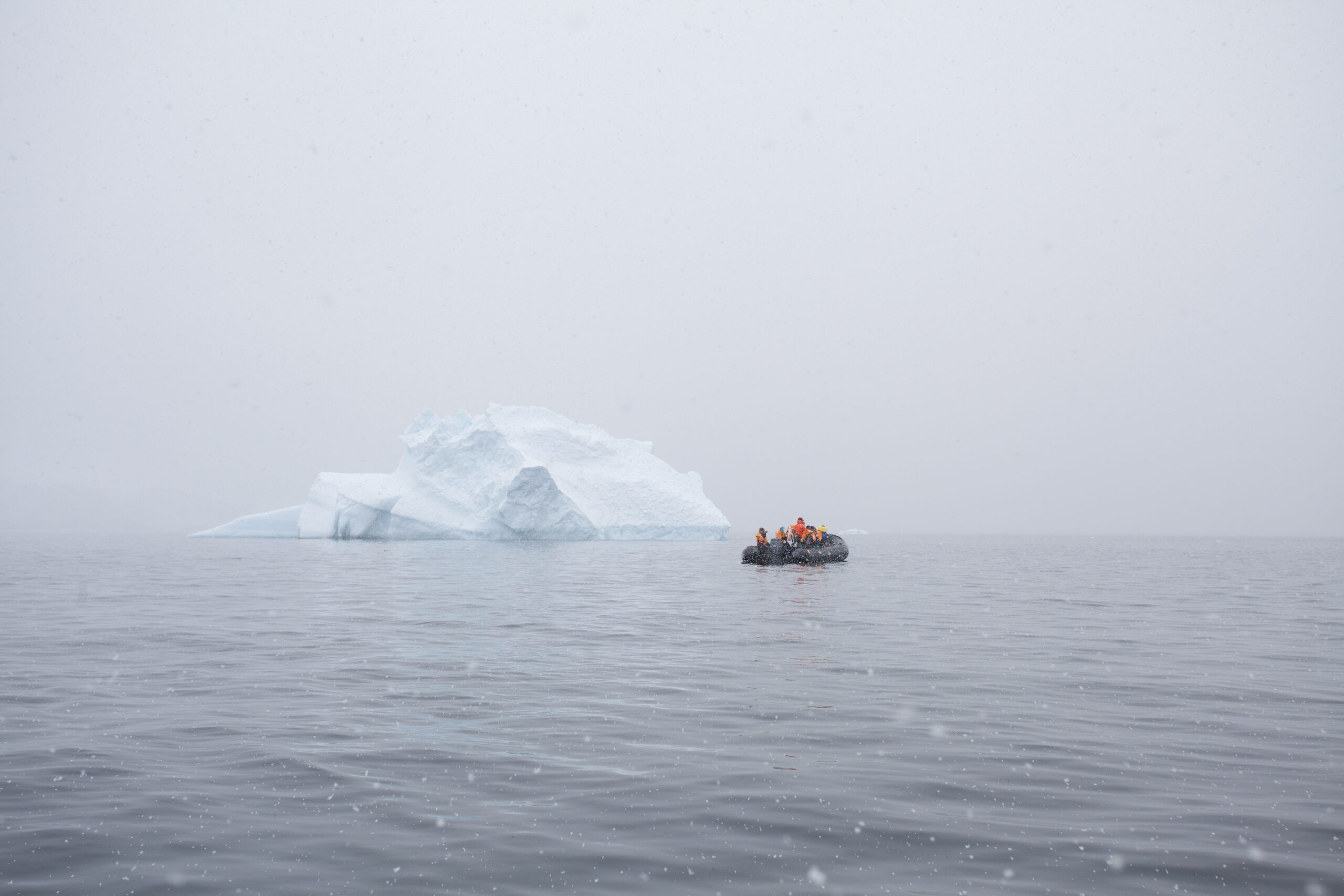
The Antarctic cruise season runs from late October through late March, the Southern Hemisphere summer, and all reputable operators are IAATO members. Verify membership before booking.
November brings pristine snow, penguin courtship displays, and the lowest prices of the season. December and early January deliver 20 or more hours of daylight, penguin chicks hatching, and peak wildlife activity, along with the highest prices. Late January and February are the best months for whale watching as humpbacks congregate in the feeding grounds. March offers dramatic late-season light, growing penguin chicks, and softening prices, though some routes become inaccessible as ice conditions shift.
Shoulder-season departures in late October and March are the value play, often thousands less per person than peak December sailings on the same ship. If your dates are flexible, that is the single easiest way to cut the cost.
How to Decide If It Is Worth It for You
It is worth it if Antarctica has been on your list for years, if you are drawn to wildlife and raw landscapes more than resorts and nightlife, and if the total cost, roughly $14,000 per person all-in at the mid-range, fits your finances without debt. Travelers constantly describe it as the trip against which every other trip is measured. The combination of scale, silence, and wildlife density has no substitute, and the window to see it in its current state will not stay open forever.
It is not worth it if you are stretching financially, if rough seas or Zodiac landings are a hard no, or if you mainly want luxury cruising. A luxury Caribbean or Mediterranean sailing at a third of the price will make you happier if what you actually want is sunshine, spas, and fine dining. Be honest about which traveler you are.
A few practical notes before you book. Buy the mandatory evacuation insurance early and read the coverage limits; standard travel insurance for expensive trips is not optional here, it is a booking condition on most expeditions. Book 12 to 18 months ahead for the best cabin selection and early-booking rates. And if you are weighing Silversea against Seabourn for the expedition, compare what is bundled: flights, gear, drinks, and gratuities vary by line and explain thousands in price differences.
The Bottom Line
An Antarctica cruise costs $9,000 to $50,000 per person because reaching the last continent requires ice-class ships, tiny passenger counts, and flawless logistics at the end of the Earth. Nothing about the price is casual, and it should not be. But for travelers who have dreamed of penguin colonies, calving glaciers, and the Drake Passage, the consensus among those who have gone is near-unanimous: it was worth every dollar. Just go in with open eyes, a funded savings account, and seasickness tablets in your carry-on.
