
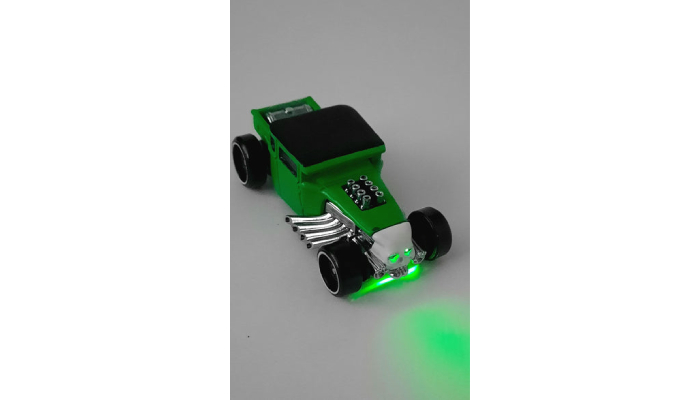
LED lights for cars have gained traction for their efficiency and brightness, but their legality really depends on several factors. Federal regulations by the U.S. Department of Transportation set standards that LED headlights must meet to avoid glare, ensuring safety for all drivers. However, state laws can vary widely; for instance, while many states permit properly installed LED headlights, some restrict colors or visibility of underglow lighting. It’s essential to know that flashy color-changing lights are often illegal on public roads. Fines and failed inspections are potential penalties for not complying with these regulations, making it crucial to stay informed about local laws before upgrading your car’s lighting system.
Comprehensive Research on LED Light Legality
LED lights for car are a fantastic upgrade for any vehicle, offering energy efficiency and enhanced visibility. However, the legality of these lights is a complex web of regulations that vary widely across the United States. Understanding the legal framework is crucial for car owners to avoid hefty fines and ensure safe driving. Federal regulations, like those set by the U.S. Department of Transportation, dictate that LED headlights must meet specific safety standards to prevent glare for oncoming drivers. Yet, each state has its own set of laws about LED usage, resulting in a patchwork of regulations. For instance, while LED headlights are generally legal, modifications that lead to excessive glare are often prohibited.
Additionally, laws surrounding interior and accent lighting are also important. Most states allow interior LEDs, as long as they don’t distract the driver or impair visibility. Color-changing and underglow lights can be more contentious. Many states ban these features while driving, permitting them only when the vehicle is parked.
The importance of using DOT-approved products cannot be overstated; compliance with these regulations not only ensures safety but also protects vehicle resale value. With laws frequently updated, it’s essential for car owners to stay informed. Regular checks on local regulations can save you from unnecessary penalties or even vehicle inspection failures due to illegal lighting setups. Therefore, educating yourself about the legalities surrounding LED lights is a key step in promoting responsible usage and ensuring a safe driving experience.
- LED lights offer energy efficiency and longevity, making them popular among car owners.
- Understanding the legal framework is crucial to avoid fines and ensure safety.
- The popularity of LED lights has led to varying regulations at local, state, and federal levels.
- Improper installation can result in glare, impacting road safety and leading to legal issues.
- Research shows that LED lights can enhance visibility, but they must conform to local laws.
- Compliance with regulations can also affect vehicle resale value.
- Educating consumers on legalities helps promote responsible usage of LED lights.
- Regular updates to laws mean staying informed is essential for car owners.

General Legal Framework for LED Lights
The legal landscape for LED lights on vehicles is shaped by both federal and state regulations. At the federal level, the FMVSS 108 outlines the standards for all vehicle lighting, including LED lights. To be road legal, LED lights must adhere to specific brightness and color requirements, ensuring they do not cause excessive glare for oncoming drivers. State laws often mirror these federal regulations, but they can also expand upon them, leading to variations that can confuse drivers, especially when traveling across state lines. For example, while California allows certain underglow lights, Texas has stricter rules banning visible underglow while driving. To navigate this complex framework, it’s crucial for vehicle owners to consult local DMV or law enforcement websites, as local municipalities may impose additional regulations. Staying informed about these laws and any legislative changes is essential for ensuring compliance and safe driving.
Understanding Federal Regulations for Car Lighting
The legality of LED lights for cars is heavily influenced by federal regulations, particularly those overseen by the National Highway Traffic Safety Administration (NHTSA). Central to these regulations is FMVSS 108, which sets the standards for vehicle lighting, ensuring that all automotive lights, including LED options, meet safety and performance benchmarks. This means that LED lights must be rigorously tested for glare and visibility before they receive approval.
While federal regulations provide a foundational legal framework, states have the power to implement stricter laws. This discrepancy can lead to variations in what is considered legal lighting depending on your location. For instance, while LED headlights are generally accepted across the country, installing them in non-compatible housings can lead to illegal modifications due to glare issues. Moreover, any aftermarket modifications must align with federal standards to avoid legal complications and potential fines.
It’s crucial for drivers to stay informed about the latest updates from the NHTSA regarding vehicle lighting. Proper installation by certified professionals can help ensure compliance with these regulations, protecting your warranty and minimizing the risk of penalties. Understanding these federal guidelines is not just a matter of legality; it can also prevent potential legal issues and fines down the road.
Exploring State Regulations on LED Lights
Each state has its own unique laws governing the use of LED lighting on vehicles, creating a patchwork of regulations that can be confusing. Some states impose stricter rules regarding headlight color and brightness, while others have specific guidelines on underglow and accent lighting. For instance, in California, underglow is legal as long as it is not red, blue, or flashing. On the other hand, Florida prohibits blue or red lighting on public roads and requires that underglow remains non-flashing and in shades of white or amber. Researching your state’s regulations is crucial, as it can save you from costly fines, which typically range from $100 to $200 for illegal lighting. It’s also important to consider that local law enforcement may interpret state laws differently, leading to inconsistent enforcement. Understanding these regulations helps you make informed decisions about aftermarket lighting, ensuring that you can enhance your vehicle’s appearance without running afoul of the law. Checking your state’s DMV website can provide you with the most up-to-date information on vehicle lighting laws, keeping you in the know about what is permitted and what is not.
Headlight Regulations for LED Installations
LED headlights can be an exciting upgrade for your vehicle, but it’s vital to understand the regulations that govern their use. To keep the roads safe, LED headlights must be installed in approved housings designed to minimize glare for oncoming drivers. Variations in legality exist between states, often hinging on how the lights are installed and whether they meet local laws. Non-compliant modifications can lead to hefty fines and even failed vehicle inspections, so staying informed is essential. Regular inspections can help ensure that your headlights are compliant, and understanding the installation requirements can prevent any legal headaches down the line. Additionally, some states may require proof of DOT approval for aftermarket installations. Improperly installed headlights not only risk your safety but can also increase liability in the event of an accident. Factors such as brightness and color temperature play a significant role in determining if your LED headlights are street legal. Consulting a professional for installation can save you from potential issues, and keeping receipts and documentation is wise to verify compliance should any questions arise.
Legality of LED Headlights in Different States
The legality of LED headlights varies significantly from state to state, making it crucial for drivers to stay informed. Most states allow LED headlights, provided they meet federal safety standards and are installed correctly. However, some states impose strict restrictions on color temperature, often capping it at 6000K to ensure headlights don’t appear too blue. For example, states like Texas and Florida enforce specific color regulations, prohibiting blue or overly bright lights to avoid confusion with emergency vehicles. It’s essential to check the specific laws in your state, as regulations can change frequently, and enforcement practices may differ, leading to inconsistencies. Drivers traveling across state lines need to be particularly cautious, as what is legal in one state might not be in another. Consulting with local authorities can clarify any gray areas, and having documentation proving compliance with federal standards can be beneficial during inspections.
Color Temperature Restrictions for LED Headlights
When it comes to LED headlights, understanding color temperature restrictions is crucial for compliance with the law. Most states mandate that headlights emit a white or selective yellow light, primarily to enhance visibility without causing confusion for other drivers. Headlights that emit blue light, often associated with color temperatures above 6000K, can be illegal and may subject drivers to fines. These higher color temperatures can create excessive glare, making it difficult for oncoming vehicles to see clearly. To ensure you’re on the right side of the law, it’s essential to know the color temperature ratings and their implications. Consulting with professionals can provide valuable insights into safe and legal color options for your vehicle. Moreover, keeping documentation regarding the color temperature and compliance can be indispensable during vehicle inspections. Remember, staying informed about any changes in color temperature regulations is key to avoiding penalties and ensuring a safe driving experience.
Importance of DOT Approval for Headlights
DOT approval is essential for headlights because it guarantees that they meet federal safety standards vital for everyone on the road. When headlights are DOT-approved, it means they have undergone rigorous testing to ensure they provide adequate visibility without causing excessive glare for oncoming drivers. This is not just a matter of legality; it significantly minimizes the risk of fines and potential accidents associated with improper lighting. If you ever find yourself questioned by law enforcement regarding your headlights, having the documentation of DOT approval can be a lifesaver. It’s crucial for aftermarket products to be clearly labeled as DOT-compliant, helping consumers make informed choices when upgrading their vehicle lighting. However, be cautious, as some products may falsely claim compliance, leading to legal trouble. By consulting reputable vendors, you can ensure that you’re purchasing DOT-approved headlights. Staying updated on the latest DOT-approved lighting can also help you avoid compliance issues. Ultimately, DOT-approved headlights are designed to enhance visibility while ensuring the safety of all road users.
Interior LED Lights: What You Should Know?
Interior LED lights bring a modern touch to your car, and the good news is that they are generally legal! However, there are some important factors to keep in mind. First, these lights should not distract the driver, which means they need to be used responsibly. In certain states, specific colors may be prohibited to minimize distractions while driving. For instance, bright colors or flashing lights can divert attention from the road, so it’s wise to stick to softer hues.
Moreover, it’s crucial that interior lights are not visible from outside the vehicle during operation. This means that flashy lights could lead to unwanted attention from law enforcement. Consulting your state laws can provide clarity on what’s permissible. Some states even have guidelines regarding the brightness levels of interior lights, so dimmable options can be a great idea to reduce distractions.
While using these lights, it’s advisable to keep them off while driving and only use them when parked. This practice not only enhances safety but also ensures compliance with the law. If you have any doubts, reaching out to local law enforcement can help clarify any questions about regulations. Staying informed about these legalities not only enhances driver safety but also ensures that you enjoy your vehicle’s interior lighting without any legal hassles.
Legal Aspects of Interior and Accent Lighting
Interior and accent lighting for cars can add a stylish touch, but legality is key. Generally, accent lighting is legal as long as it does not distract the driver or interfere with visibility. However, color-changing LED lights are often prohibited while driving in many states, so it’s best to use them only when parked. Local laws can be quite specific, allowing certain color combinations for accent lighting while banning others. For instance, some states may allow white or amber lights but restrict flashy colors like red or blue, which can be mistaken for emergency vehicles. It’s essential to ensure that interior lights remain hidden from oncoming traffic to avoid distraction. Understanding these regulations can help prevent fines and ensure safety on the road. Additionally, keeping documentation of any lighting installations can be useful during vehicle inspections. Regularly checking local laws will keep you compliant and promote responsible use of accent lights.
Underglow Lighting Regulations by State
Underglow lighting laws vary significantly from state to state, making it essential for vehicle owners to be aware of the rules in their area. For instance, some states, like California, allow underglow lighting as long as it is not red or blue, which are often associated with emergency vehicles. In contrast, Texas has stricter regulations, prohibiting any visible underglow while driving. Additionally, many states require that underglow lights be non-flashing to minimize distractions to other drivers. It’s also important to note that local municipalities may enforce their own regulations, so checking local laws is crucial. Some states permit colors like white or amber but restrict others, so understanding the specific shade restrictions is key. Furthermore, underglow lights must usually be installed below the vehicle’s frame to avoid obstructing standard lighting and should not be visible from the front of the vehicle. Penalties for illegal underglow can range from fines to potential vehicle impoundment in extreme cases, highlighting the importance of staying informed about any changes in local regulations.
State-by-State Examples for Underglow Usage
In California, underglow is a colorful way to express your vehicle’s personality, as long as you avoid red and blue lights. Texas takes a stricter approach, banning any visible underglow while driving, especially blue and red lights that mimic emergency vehicles. Florida allows underglow too, but you’re limited to white or amber, and they must remain steady without flashing. Over in New York, you can park your car with underglow shining bright, but driving with those flashy lights is a no-go. Illinois is a bit more lenient, permitting underglow as long as it doesn’t flash and steers clear of red and blue hues. Ohio allows underglow, but it should be subtle and only visible from the back. Meanwhile, Michigan has guidelines that let you have underglow, but watch out for colors that resemble emergency vehicles. Pennsylvania requires underglow lights to play nice with standard vehicle lighting, ensuring they don’t flash. Massachusetts is on board too, permitting underglow as long as it doesn’t blind other drivers and sticks to the color rules. Always keep an eye on state laws, as they can change frequently based on new safety initiatives.
Penalties for Using Illegal LED Lights
Using illegal LED lights on your vehicle can lead to a range of penalties that can really hit your wallet and your driving record. Fines for violations can range from $100 to $200, depending on the state and the severity of the infraction. If your vehicle is found to have illegal lights, you might face failed inspections, which can complicate your vehicle registration and lead to even more fines. Traffic citations can also be issued, and these may result in points added to your driving record, which could eventually affect your insurance rates. In some states, if you are a repeat offender, fines can increase and your vehicle may even be impounded. Additionally, being cited for illegal lighting can lead to higher insurance premiums, as insurers often see this as a risk factor. In an unfortunate scenario where an accident occurs, having illegal lighting could complicate liability claims, making it harder for you to prove your case. For serious violations, some states may even require mandatory court appearances. As part of the penalties, you could be ordered to remove the illegal lights, which adds to your costs. In extreme cases, you might face misdemeanor charges. To protect yourself, it’s wise to document any modifications you make to your vehicle’s lighting, so you can prove compliance if questioned.
Consequences of Failing Vehicle Inspections
Failing a vehicle inspection due to illegal lights can lead to a series of frustrating consequences. First and foremost, it can delay your registration renewals, putting your vehicle’s road legality at risk. If you find yourself repeatedly failing inspections, be prepared for increased scrutiny from law enforcement, which raises the chances of getting future citations. Not only that, but vehicles that don’t pass inspections may require costly repairs or modifications to meet legal standards, adding to your expenses. In some states, a failed inspection comes with mandatory re-inspection fees and extra paperwork, making the process even more cumbersome. Ignoring the issues noted during inspections can lead to legal penalties or fines, potentially affecting your driving record. Moreover, if your vehicle fails inspection because of illegal lighting, this can be used as evidence in liability cases during accidents, complicating matters even further. Some states impose stricter inspections on vehicles with previous failures, which can drive up your overall costs. In severe cases, your vehicle might be deemed unroadworthy, making it ineligible for operation. This could lead to a loss of driving privileges if you continuously fail inspections without addressing the required issues. Staying compliant with lighting regulations not only helps you avoid these pitfalls but also promotes safer driving for everyone on the road.
Staying Informed on Local LED Lighting Laws
To ensure you stay on the right side of the law when it comes to LED lights for your car, staying informed is essential. Regularly checking your state and local DMV websites can keep you updated on any changes to vehicle lighting regulations. Joining local car enthusiast groups or forums is another great way to share information and learn from others who may have navigated similar concerns. Don’t forget to monitor news updates about changes to vehicle lighting laws that could impact your area. Consulting with legal experts or automotive professionals who specialize in vehicle modifications can provide you with tailored advice. Social media is also a powerful tool; following your state transportation departments can offer real-time updates on lighting regulations. Attending local car meets or events can connect you with the community and help you learn best practices. Subscribing to newsletters from automotive associations can give you valuable insights into vehicle regulations. Keeping a personal record of local laws allows for quick reference before making any modifications. It’s wise to educate yourself about the potential consequences of ignoring local lighting laws, which can lead to fines or increased liability in case of an accident. Ultimately, prioritizing compliance not only enhances your personal safety but also contributes to the safety of all road users.