
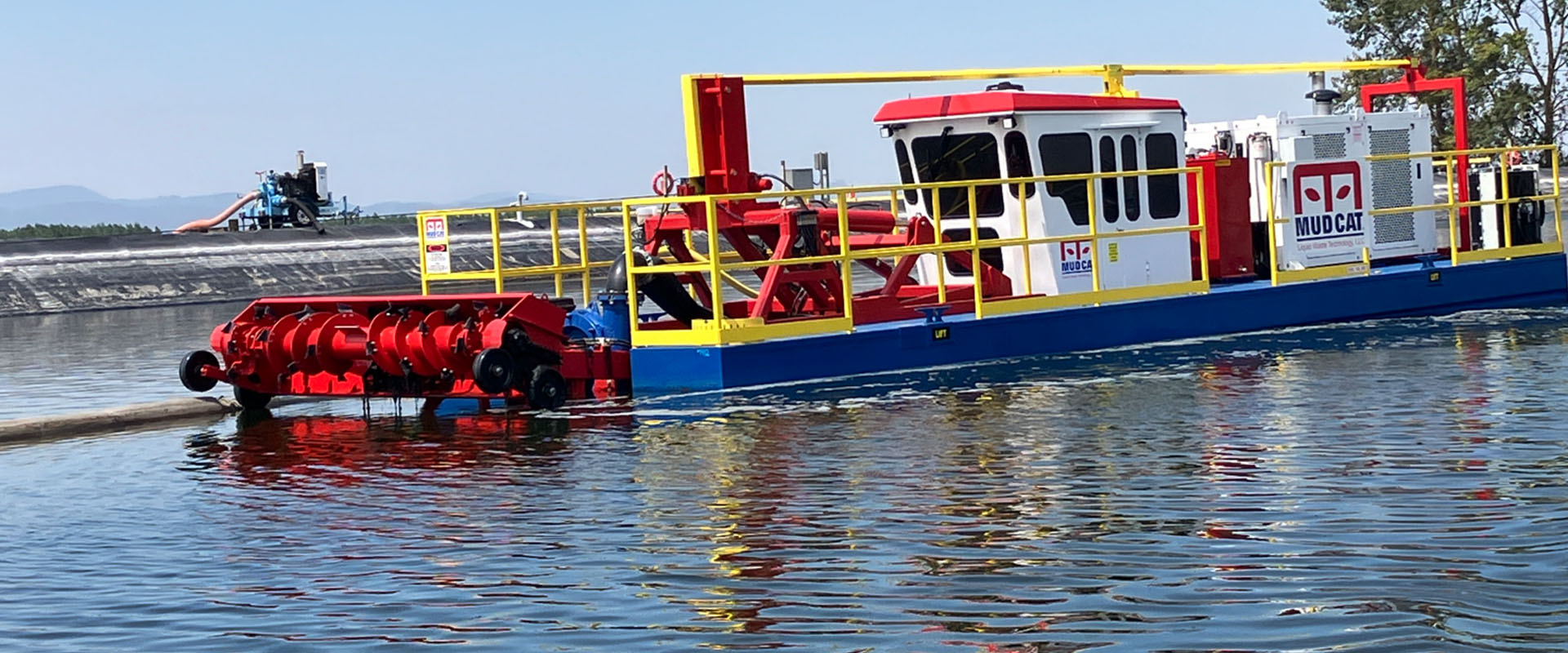
When waterways, ports, and industrial facilities need efficient sediment removal, an auger dredge stands out as one of the most reliable solutions available. These specialized machines combine precision engineering with powerful excavation capabilities to handle challenging dredging projects worldwide.
What Is an Auger Dredge?
An auger dredge is a type of hydraulic dredging equipment that uses a rotating screw-like cutter head to excavate material from the bottom of water bodies. Unlike traditional dredges that use simple suction or mechanical buckets, the auger system actively breaks up compacted sediments before pumping them through a discharge pipeline. This makes it particularly effective for dense clay, hard-packed sand, and contaminated materials that resist conventional dredging methods.
The auger cutter head rotates horizontally, cutting into the sediment layer and feeding material directly into the suction inlet. This design minimizes turbulence and reduces the risk of releasing contaminants into the water column, making it an environmentally responsible choice for sensitive projects.
How Does an Auger Dredge Work?
The operation of an auger dredge follows a straightforward yet highly effective process. The rotating auger cutter head spins at controlled speeds, loosening and breaking up the sediment on the waterbed. As the material is cut, it mixes with water to form a slurry that gets drawn into the dredge pump through the suction inlet positioned directly behind the auger.
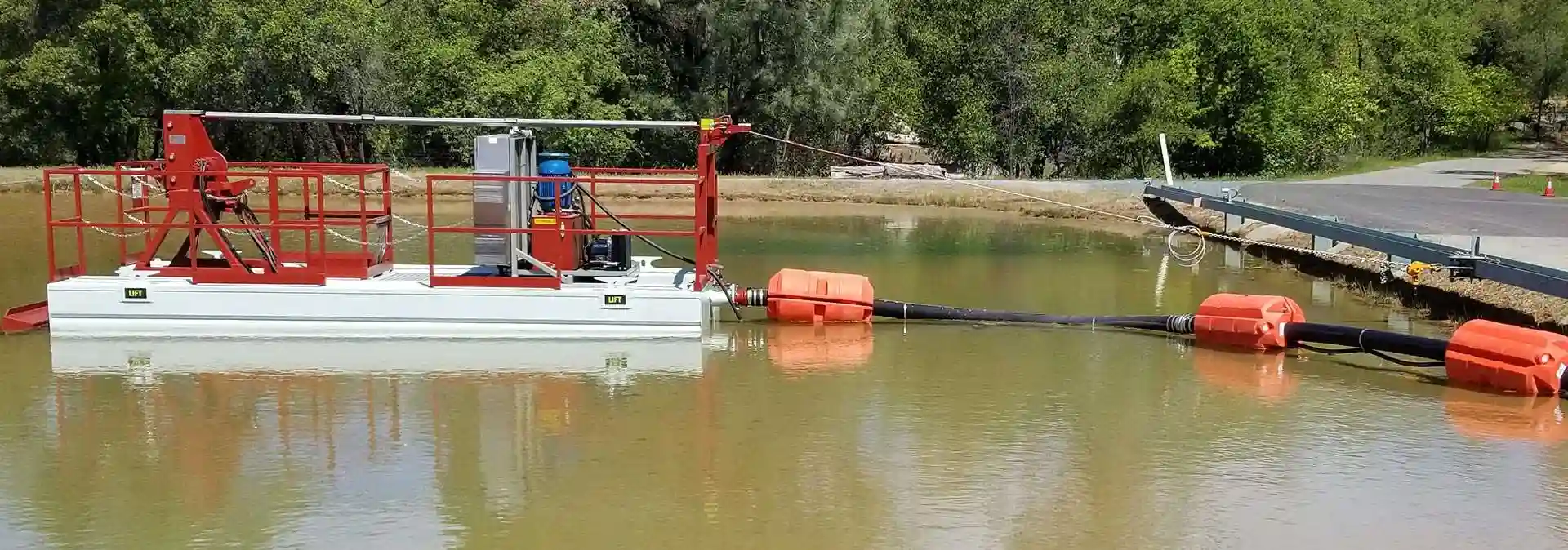
The pump then transports this slurry through floating or submerged pipelines to a designated disposal area. Operators can control the dredge position using spuds, anchors, or GPS-guided positioning systems to ensure precise excavation. The entire process can be monitored and adjusted in real-time to optimize production rates and maintain accuracy.
Where Are Auger Dredges Used?
Auger dredges serve a wide variety of applications across multiple industries. Municipal water treatment facilities rely on them to remove sludge from settling ponds and lagoons. Mining operations use auger dredges to extract mineral sands and process tailings. Environmental remediation projects benefit from the augers ability to carefully remove contaminated sediments without excessive turbidity.
Ports and harbors maintain navigation channels using auger dredges to keep water depths suitable for commercial vessels. Industrial facilities cleaning cooling ponds, ash basins, or process water reservoirs also turn to auger dredging for efficient maintenance. The versatility of this equipment makes it valuable wherever precise sediment removal is required.
Why Choose Auger Dredging Over Other Methods?
Several key advantages make auger dredging the preferred choice for many projects. First, the auger cutter head provides superior control over excavation depth and material consistency. This precision reduces over-dredging and minimizes the volume of material that needs disposal, lowering overall project costs.
Second, auger dredges produce less turbidity than cutter suction dredges, which is critical for environmental compliance. The enclosed cutting action keeps suspended solids to a minimum, protecting water quality and aquatic habitats. Third, these dredges can handle a broader range of material types, from soft silts to stiff clays, without requiring equipment changes.
What Maintenance Does an Auger Dredge Require?
Like any heavy equipment, auger dredges need regular maintenance to operate efficiently and avoid costly downtime. The auger cutter head should be inspected frequently for wear on the cutting teeth or blades, especially when working with abrasive materials. Worn components reduce cutting efficiency and can increase fuel consumption.
The hydraulic system powering the auger rotation requires routine fluid checks, filter changes, and hose inspections. Pump components, including impellers and wear plates, should be monitored for erosion and replaced according to manufacturer specifications. Proper maintenance extends equipment life and ensures consistent performance throughout the project lifecycle.
Conclusion
Auger dredges represent a sophisticated solution for modern dredging challenges, combining precision, efficiency, and environmental responsibility. Whether you are maintaining a commercial port, remediating contaminated sediments, or managing industrial ponds, understanding the capabilities of auger dredging technology helps ensure project success. With proper equipment selection and operational expertise, these powerful machines deliver reliable results across diverse applications.