
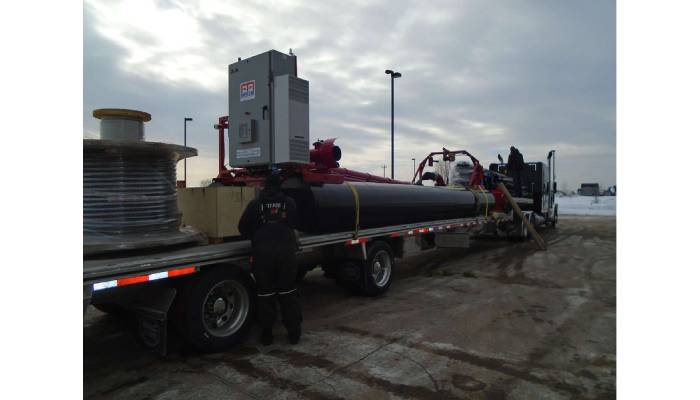
An automated dredge system is changing the way dredging work is done across industries. From river cleaning to mining and port maintenance, modern dredging solutions now use smart technologies to improve efficiency and accuracy.
Traditional dredging methods required heavy manual control and large teams. Today, with automation, the process has become faster, safer, and more cost-effective. This guide will help you understand how automated dredging works and why it is becoming essential in modern projects.
What is an Automated Dredge System?
An automated dredge system is a machine that removes sediment, sand, or debris from underwater areas using advanced technologies like sensors, GPS, and control software.
Unlike traditional dredging, these systems can operate with minimal human involvement. Many automated dredging systems also use AI-powered dredging technology and remote monitoring tools to improve performance.
In simple terms, it is a smart dredging solution designed to deliver better results with less effort.
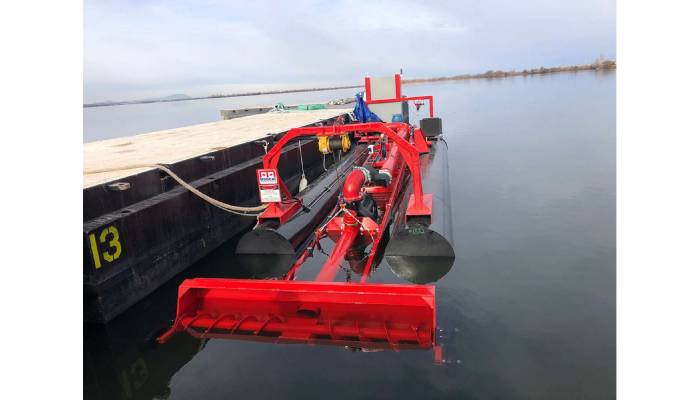
How an Automated Dredge System Works
An automated dredging system works through a combination of hardware and software technologies that manage the entire process.
Sensor-Based Monitoring System
Sensors are used to measure water depth, sediment levels, and obstacles. These sensors provide real-time data, helping the system make accurate decisions.
GPS-Guided Dredging Technology
GPS systems guide the dredge to work in exact locations. This reduces errors and ensures precise dredging.
Automated Control Systems
The control system manages operations like cutting, suction, and material transport. It ensures smooth and continuous working.
Remote Operation and Control
Some automated dredges can be controlled remotely. This reduces the need for workers in dangerous environments.
Key Components of an Automated Dredge
Cutter Head and Suction Pipe
The cutter head breaks the sediment, and the suction pipe removes it from the waterbed.
Control Panel and Software System
This is the brain of the system, where all operations are managed using advanced software.
Hydraulic System
The hydraulic system provides the power needed to operate different parts of the dredge.
Navigation and Positioning System
GPS and positioning tools help maintain accuracy during the dredging process.
Types of Automated Dredge Systems
Cutter Suction Automated Dredge
This type uses a rotating cutter to loosen material and suction to remove it. It is widely used in large projects.
Suction Dredge Automation
These systems directly pump sediment from underwater using automated suction methods.
Robotic Dredge System
Robotic dredges are unmanned and operate using advanced programming and automation.
Remote-Controlled Dredge
These dredges are controlled from a distance, making them suitable for risky or hard-to-reach areas.
Benefits of Automated Dredging Systems
Increased Efficiency
Automation allows continuous operation with minimal downtime, improving productivity.
Cost Reduction
Less labor and optimized fuel usage help reduce overall operational costs.
Improved Accuracy
GPS and sensor-based systems ensure precise dredging, reducing material wastage.
Enhanced Safety
Automation reduces human exposure to hazardous environments.
Environmental Advantages
Smart dredging minimizes disturbance to aquatic ecosystems and supports sustainable practices.
Applications of Automated Dredge Systems
River and Canal Dredging
Automated systems help maintain water flow by removing sediment buildup.
Mining Operations
Used for extracting minerals from underwater locations efficiently.
Port and Harbor Maintenance
Ensures safe navigation by maintaining required water depth.
Environmental Dredging
Helps remove contaminated sediments safely without harming the environment.
Construction and Land Reclamation
Supports large infrastructure projects by preparing land and water bodies.
Technologies Used in Automated Dredging
Modern automated dredging systems use advanced technologies such as:
- IoT in dredging industry for real-time monitoring
- AI dredging technology for smart decision-making
- Hydraulic dredge automation for efficient performance
- Dredging control systems for process management
- GPS-guided dredging for accurate positioning
These technologies make dredging faster, smarter, and more reliable.
Challenges of Automated Dredging
Even though automated dredging offers many benefits, there are some challenges:
- High initial investment
- Need for skilled operators
- Maintenance of advanced systems
- Dependence on technology
However, these challenges are gradually reducing as technology becomes more advanced and affordable.
Future of Automated Dredge Systems
The future of automated dredging is very promising. With the growth of autonomous dredging systems, the industry is moving toward fully automated operations.
Technologies like AI and robotics will continue to improve efficiency and reduce costs. Smart dredging solutions will also focus more on environmental protection and sustainability.
Conclusion
An automated dredge system is a modern solution that is transforming the dredging industry. It offers better efficiency, improved safety, and high accuracy compared to traditional methods.
From river maintenance to mining and construction, automated dredging systems are becoming an essential part of modern infrastructure development. As technology continues to evolve, these systems will play an even bigger role in the future.