
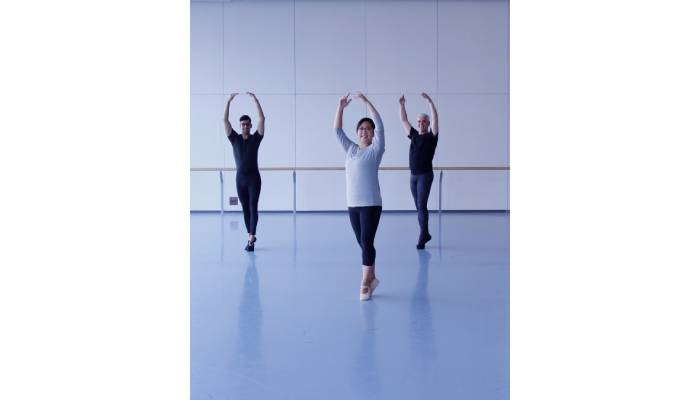
Finding the right ballet classes in Toronto can transform your artistic journey, whether you’re starting your first plié or refining your technique at an advanced level. Toronto offers a diverse range of ballet instruction programs designed to meet learners at every stage, from complete beginners to experienced dancers seeking professional development.
Ballet training provides more than just dance skills. Students develop core strength, flexibility, discipline, and a deep appreciation for classical performing arts. The city’s ballet community continues to grow, with studios offering classes tailored to specific age groups and skill levels. Understanding your options helps you find the perfect fit for your goals and schedule.
What Ballet Classes in Toronto Offer Beginners?
Beginners often wonder if they’re starting too late or if they’ll struggle with the fundamentals. Professional ballet classes in Toronto specialize in working with students who have zero previous experience. These introductory programs focus on building a strong foundation in basic positions, movements, and posture.
Beginner classes typically run 45 to 60 minutes and emphasize proper technique from day one. Students learn the five basic positions, basic arm movements, and fundamental vocabulary. Many Toronto studios offer classes specifically labeled as “absolute beginner” or “beginner adult,” acknowledging that adult learners have different needs than children starting ballet young.
The supportive environment in beginner classes helps students feel comfortable making mistakes and learning. Instructors provide modifications and scaled-down versions of movements so students can progress at their own pace. Regular attendance builds confidence and allows students to develop the muscle memory essential for advancing.
Why Intermediate Ballet Training Matters?
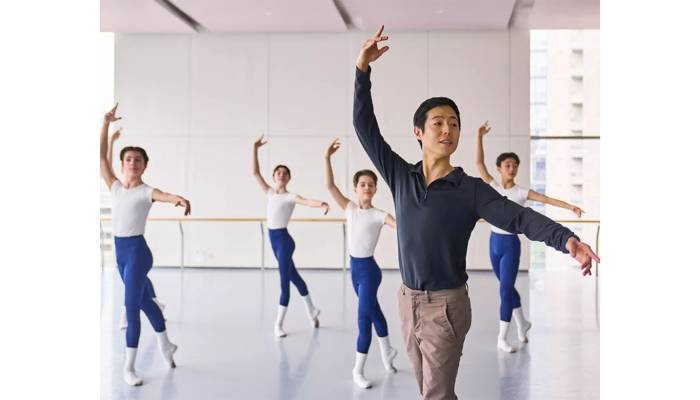
Intermediate ballet classes serve students who’ve completed beginner instruction and can execute fundamental positions and movements. These classes introduce more complex choreography, faster combinations, and greater emphasis on precision and expression.
At the intermediate level, students focus on refining their technique while learning increasingly complex movements, such as single pirouettes, attitude derrière, and traveling steps across the floor. Classes emphasize proper alignment to prevent injury and develop the strength needed for advanced techniques.
Intermediate ballet in Toronto often includes repertoire from famous ballets, giving students exposure to classical pieces. This level also teaches performance etiquette and stage awareness, preparing students for potential recitals or showcases.
Advanced Ballet Classes for Serious Dancers
Advanced ballet classes attract dancers who pursue ballet seriously, whether professionally or as dedicated hobbyists. These classes demand significant technical proficiency and physical conditioning. Advanced dancers work on multiple pirouettes, grand allegro combinations, and complex variations from classical ballet.
Toronto’s advanced programs often collaborate with professional companies or feature instructors with professional credentials. These classes may serve dancers pursuing ballet as a career or those competing in competitions. The pace is faster, combinations are longer, and artistic interpretation becomes increasingly important.
Advanced students spend time on specialization, whether classical technique, contemporary ballet, or repertoire study. Some studios offer partnerships with professional ballet companies, providing advanced dancers with performance opportunities.
How to Choose Between Different Ballet Programs?
Selecting appropriate ballet classes depends on several factors beyond just skill level. Consider whether you prefer group classes, private instruction, or a combination of both. Some students thrive in group settings where they feed off the energy of other dancers, while others prefer personalized attention.
Location and schedule matter significantly when choosing ballet classes. Toronto covers a large geographic area, so finding studios near your home or workplace increases the likelihood you’ll maintain consistent attendance. Many studios offer multiple time slots to accommodate different schedules, including early morning, evening, and weekend classes.
Tuition varies considerably depending on the studio, instructor qualifications, and class length. Some studios charge per class, while others offer monthly unlimited packages. Visiting the studio, observing a class, and speaking with instructors helps determine if the teaching style aligns with your learning preferences.
The Role of Professional Instructors in Your Development
Qualified ballet instructors significantly impact your progress and safety. Look for instructors with professional ballet backgrounds, relevant certifications, and experience teaching your skill level. Many Toronto instructors studied at prestigious ballet schools, performed professionally, or both.
Experienced teachers recognize common mistakes and provide corrections that prevent injury. They modify combinations to challenge advanced dancers while keeping beginners engaged and confident. The best instructors inspire students to work harder while maintaining an encouraging, supportive atmosphere.
Instructor feedback helps you understand what works in your technique and what needs adjustment. Regular correction and encouragement accelerate learning and maintain motivation over months and years of training.
Building Consistency in Your Ballet Training
Successful ballet training requires regular attendance and practice between classes. Most instructors recommend at least two classes weekly for noticeable progress, though beginners might start with one class weekly as they learn fundamental movements.
Consistency builds strength and flexibility more effectively than sporadic intensive sessions. Students who attend regularly develop the muscle memory necessary for executing movements automatically, freeing mental energy for artistry and expression.
Many students find that incorporating daily stretching at home accelerates their progress. Simple routines focusing on hamstring, hip, and calf flexibility support classroom learning and reduce injury risk.
What to Expect When You Start Ballet Classes?
Your first ballet class may feel overwhelming with unfamiliar terminology and movement patterns. This is completely normal. Ballet has its own language rooted in French terminology, but instructors explain terms and demonstrate movements clearly.
When you join ballet classes, Toronto style, wear comfortable clothing that allows freedom of movement. Most students wear black or neutral-colored leggings or pants with a fitted top. Ballet pointe shoes aren’t necessary for beginners; many start in soft ballet slippers or even barefoot.
Arrive early to your first class to meet your instructor and other students. This initial comfort helps you focus on learning rather than worrying about logistics. Most studios maintain a welcoming atmosphere where new students feel supported and included.
Conclusion
Ballet classes in Toronto provide accessible pathways for learners of all ages and abilities to develop technique, strength, and artistic appreciation. Whether seeking beginner instruction, intermediate refinement, or advanced professional training, Toronto’s diverse ballet community offers options that meet your needs and goals. Starting your ballet journey requires finding the right studio, instructor, and schedule that align with your lifestyle. With consistent training and dedication, you’ll discover the transformative power of ballet.