
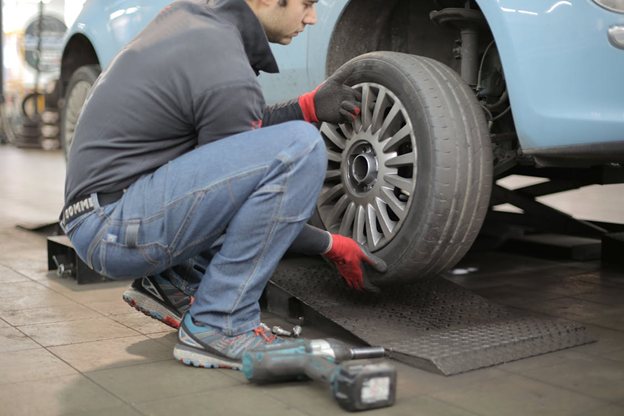
A central part of owning a car is making sure that it stays in good working order. And rather than relying on the professionals to do everything for you, there are plenty of maintenance activities that you can undertake yourself. All cars have their own individual maintenance schedules to follow to keep them operating well, thereby lengthening their life, improving their fuel efficiency, and stopping you from needing to undertake too many costly repairs. While there may be nothing immediately wrong with your car in the here and now, prevention is far better than the cure – as the old saying goes. You will be spending money now, but it is worth it to keep yourself from spending a lot more in the future.
Different Car Maintenance Needs
All cars come with their own regular maintenance schedules as detailed by the manufacturer. But there are also some vehicles that require you to undertake what is known as a ‘severe’ maintenance schedule to keep your car in good working order. There are several different reasons why this more extensive schedule would need to be followed. It could be to do with climate – if you live in an area with high humidity or a place which experiences very cold or hot conditions on a regular basis. Or perhaps you drive in an area which is very dusty, increasing the risk that parts of your car will get clogged up. If you drive your car regularly for a living, this means that more severe maintenance could be needed. Conversely, if you only take short stop-start trips, this could also negatively impact your car.
One of the most common reasons why your car would need a high maintenance schedule is if you have reached over 100,000 miles on the clock. At this stage, it is much more likely that something is going to go wrong. You should be checking your engine every 3,000 miles rather than 5,000 to 7,000. And you should direct your mechanic to check everything more extensively. If you haven’t replaced the timing belt, this is your opportunity to do so.
Regular Maintenance
These are the tasks that you need to take care of on a regular basis – regardless of how old your car is. Neglecting these can lead to consequences that range from the minor to the more severe.
Oil and Oil Filter
The oil in your car and the oil filter need to be checked regularly and replaced as necessary. As the engine runs, it will end up getting contaminated by dirt and debris, which can cause strain. Non-synthetic oil should be replaced every 3,000 miles, but many modern motors run on synthetic oil, which should last between 5,000 and 10,000 miles.
Tire Pressure
If the tire pressure is incorrect on your vehicle, it can lead to them wearing unevenly, poor mileage or even a tire blowout. You should get into the good habit of checking the tire pressure each and every time you fill up for gas. It is a simple enough task that just takes a couple of minutes. Check the owner’s manual or the side of your car door for the correct pressure.
Other Tasks
Some of the other tasks that you need to undertake regularly include cleaning the inside and outside of the vehicle (look for cracks in the windscreen that may need auto glass repair), checking all the lights around the car to ensure that they are still working properly, and replacing the windscreen washer fluid as needed.
Maintenance Prior to 30,000 Miles
While it may seem like your vehicle is so new at this time that nothing can go wrong, there are still some maintenance tasks that are worth undertaking.
Air Filter
When the air filter of your vehicle gets clogged up, it makes it more difficult for your engine to breathe, thereby reducing its performance levels. If you drive in a dustier environment, it is more likely that the air filter is going to get clogged up. You should get into a habit of checking the filter between 15,000 and 30,000 miles.
Fuel Filter
If the fuel filter is not running smoothly, the engine is likely to be negatively affected – and it may even not run at all in more serious situations. A mechanic is the best person who can determine whether or not it is time for a change. While you may not need to change the fuel filter before 30,000 miles, it is still worth being on top of the problem in case you do.
Maintenance Prior to 60,000 Miles
Your car is still relatively young at this stage, but the potential problems also begin to mount up. It is worth keeping on top of one or two further jobs to prevent issues in the near future.
Battery
Most car batteries last around four or five years, which makes 60,000 miles about right. Obviously, this is a central piece of equipment for your car and there are all sorts of things that can go wrong. Sometimes, they have had to endure extremes of temperature. On other occasions, they haven’t been used for a long time. And it may simply be a matter of old age. Whatever the case, you are going to need to replace your car battery if you own your car for long enough.
Transmission Fluid
When transmission fluid levels drop, this can lead to gear shifting issues. You should monitor levels closely if you can. Some cars have dipsticks that allow you to do this, while others signal that there is something wrong with the ‘check engine’ light. Manual transmissions require their fluid changing roughly every 30,000 to 60,000 miles, while automatic transmissions have fluid that can last as long as 100,000 miles.
Brake Fluid
Another fluid that needs close monitoring is the brake fluid. Over time, you will need to bleed the brake system of the old fluid and replace it with new stuff. Check your owner’s manual for information on how often you need to do this. Other issues relating to the brakes that may need changing over time include the rotors and pads.