
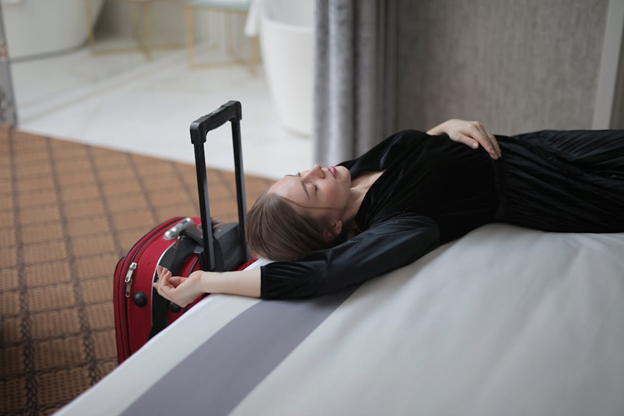
Photo by Andrea Piacquadio on Pexels
Long-haul flights and premium travel can lose their appeal because of jet lag. The fog, the restless nights, and the unrelenting thoughts of exhaustion that wash over you in the early afternoon are not only frustrating; they are capable of ruining the best laid plans for your trip.
Luckily, there are some steps to help your body adapt. This handbook will assist you to come up with a hotel sleeping plan to keep you refreshed wherever you might travel.
1. Plan Before You Leave
Planning starts days prior to your travel dates. This may require some work but you will want to begin to prepare your internal clock early.
- Modify Your Sleep Schedule- Start about 2 or 3 days prior to your trip and set your schedule to sleep according to your destination
- Plan for Eating- As another indicator to your body that a time change is coming, you can begin to eat breakfast, lunch, and dinner according to your destination’s clock
- Expose Yourself to Appropriate Light- If you are flying east in the morning, some early light can help advance the sleep-onset process. If you are flying west, you will want to delay that. There are Apps that can give you a schedule for light exposure
2. Set-Up Your Hotel Room to Enhance Sleep
Your recovery following your flight will rely largely on your environment. When booking or checking-in, make special requests that enhance your ability to sleep deeply. Here are some tips:
- Avoid the elevator, and ask for an upper floor. This will help limit noise
- Use blackout curtains, a sleep mask, or both
- Adjust your hotel room temperature; 65-68° Fahrenheit or 18-20° Celsius is the best for sleep
- Minimize blue light screen exposure; keep the TV and portable screens dimmed or turned off at least 30minutes prior to sleep.
3. Utilize Spa Facilities to Relax & Reset Your Body
Many luxury hotels provide fantastic spa facilities that set up a place for you to recover. Use heat and hydrotherapy. Typically, a brief time in a warm bath or sauna is beneficial for muscles. It can assist in initiating the release of melatonin.
Massage therapy will assist with circulation and alleviate any muscular tension that may have developed while traveling. If at all possible, use this amenity in the spa late-afternoon or early evening so that your body can begin recognizing it is approaching bedtime.
4. Establish Your Wind-Down Ritual
Set up an evening bedtime routine, even while you are not at home.
- Stretch or do some yoga to release tensions acquired while traveling
- Read a book or meditate to clear your mind
- Aromatherapy and soothing music can create a sense of familiarity and help your body to unwind.
Building in consistency will inform your brain that it is time to rest, even in a new place.
5. Think About Using Some Supplements to Help You Sleep
When you are in a new time zone, short-term mild helpers can help you go back to your sleep cycle. Magnesium and melatonin are two very well-used aids because they both can help to soothe you and restore you to your natural sleep rhythms.
They can provide some ease during the first few nights you are in a new place, especially if travelling east as that typically condenses sleep cycles.
As with any supplement, check in with your physician first and remember to use an evidence-based process when determining an appropriate recommendation.
Endnote
Beating jetlag is not about longer sleep, it’s about smarter sleep. If possible, get your habits in sync before and after the trip. Monitor your light and food timing, and customize your hotel setting for sleep. You should come to consider each new destination as a transition period rather than a recovery period.