
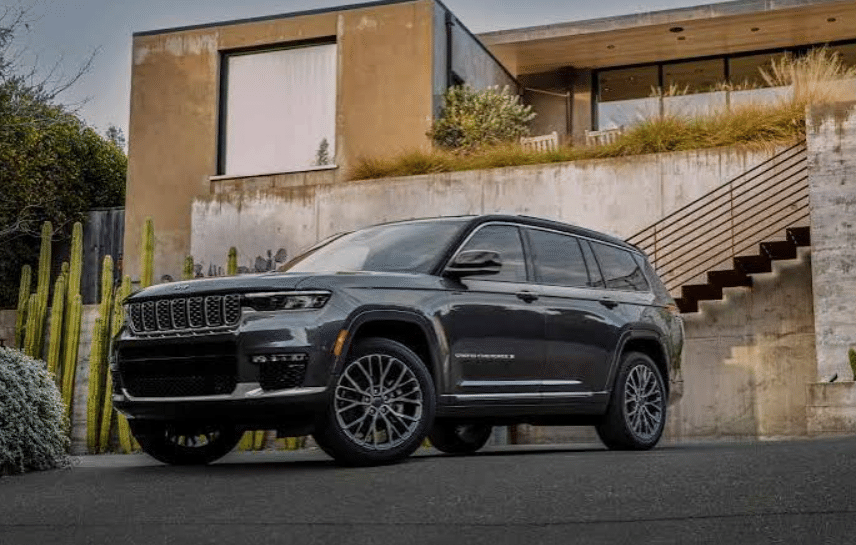
Finding the best cars for families on a budget can feel challenging. Families need enough space for passengers, luggage, groceries, school bags, and everyday essentials, but buying a family car does not have to mean spending a fortune.
The good news is that there are plenty of affordable cars that combine practicality, fuel efficiency, safety features, comfort, and reasonable running costs. Whether you need a compact family car for city driving or a larger vehicle for road trips, choosing the right model comes down to understanding your family’s needs and overall budget.
What Makes a Good Budget Family Car?
Before choosing a car, consider more than just the purchase price. A genuinely affordable family vehicle should also be economical to operate and easy to maintain.
Here are some important factors to consider:
-
Fuel economy: A fuel-efficient engine can significantly reduce monthly expenses.
-
Interior space: Families need comfortable seating and useful storage.
-
Safety: Look for modern safety equipment such as airbags, stability control, parking sensors, and available driver-assistance features.
-
Reliability: A dependable vehicle can help reduce unexpected repair bills.
-
Maintenance costs: Affordable parts and servicing can make ownership easier.
-
Boot space: A practical trunk or cargo area is important for groceries, luggage, and children’s equipment.
-
Resale value: A car that holds its value reasonably well can reduce the long-term cost of ownership.
Best Cars for Families on a Budget
The ideal vehicle depends on your family size, driving habits, and local market. The following categories include some of the most practical choices for budget-conscious families.
| Car Type | Best For | Main Advantage | Potential Drawback |
|---|---|---|---|
| Compact hatchback | Small families | Low running costs | Limited rear space |
| Compact sedan | Small to medium families | Comfortable and economical | Less cargo flexibility |
| Small SUV | Growing families | Higher seating position and versatility | Can cost more than a hatchback |
| MPV/Minivan | Larger families | Excellent passenger space | Larger exterior size |
| Used family car | Tight budgets | Lower purchase price | Condition varies |
| Hybrid | High-mileage families | Excellent fuel economy | Higher initial price in some markets |
1. Toyota Corolla
The Toyota Corolla has long been considered a practical choice for families because of its combination of comfort, reliability, fuel efficiency, and everyday usability.
A Corolla can work particularly well for families that want a traditional sedan without moving into a larger SUV. The cabin offers enough room for everyday family journeys, while the trunk can handle groceries and luggage.
For budget-conscious buyers, a used Corolla can also be worth considering. A well-maintained older model may provide many of the qualities families want without the cost of purchasing a brand-new vehicle.
2. Honda Civic
The Honda Civic is another popular option for families looking for a practical car with relatively efficient operation and a comfortable interior.
Its compact dimensions make it suitable for urban driving, while the interior provides useful passenger and cargo space. Depending on the model year and market, buyers may also find versions with useful technology and safety features.
For families who prioritize a balance between practicality and driving comfort, the Civic can be an appealing choice.
3. Toyota Yaris
For smaller families, a compact hatchback such as the Toyota Yaris can be a sensible budget option.
Its smaller dimensions make parking and maneuvering easier, particularly in busy cities. Compact cars can also be less expensive to fuel and maintain than larger vehicles.
The main compromise is interior and cargo space. If you regularly travel with several children and lots of luggage, a larger sedan, SUV, or MPV may be more suitable.
4. Honda City
The Honda City is a practical option in markets where compact sedans are popular. It provides a useful combination of interior space, fuel efficiency, and manageable dimensions.
A sedan can also offer a surprisingly large trunk, making it suitable for families who need to carry shopping bags, luggage, or school equipment.
When considering a City or a similar compact sedan, compare different model years and trims to find the equipment level that fits your budget.
5. Suzuki Ertiga
Families with more passengers may benefit from an MPV such as the Suzuki Ertiga.
The biggest advantage of an MPV is flexibility. Additional seating makes it useful for larger families, while the cabin can be configured to accommodate passengers or additional cargo depending on the vehicle’s design.
Although an MPV may have a higher purchase price than a small hatchback, it can provide significantly more practicality for a growing family.
6. Kia Picanto
For families who mainly drive in the city and do not require a large amount of interior space, the Kia Picanto can be worth considering.
Its compact size makes it easy to park and maneuver through crowded streets. Small engines can also help keep fuel expenses under control.
However, buyers should carefully consider whether the available passenger and cargo space will be sufficient for their family before choosing a city-sized hatchback.
7. Used Toyota or Honda Models
Buying used can be one of the most effective ways to find an affordable family car.
Instead of focusing only on the newest models, consider well-maintained vehicles that are several years old. A used Toyota, Honda, Suzuki, Kia, or similar mainstream model may provide excellent everyday practicality at a lower purchase price.
However, condition is more important than the badge. Always inspect a used vehicle carefully and check its maintenance history before purchasing.
New vs. Used Family Cars
One of the biggest decisions is whether to buy new or used.
A new car offers the advantage of a factory warranty, newer technology, and potentially lower maintenance requirements during the first few years. However, the initial purchase price is usually higher.
A used car can provide more features or a larger vehicle for the same budget. The downside is that older vehicles may require repairs, and their condition can vary considerably.
For families on a strict budget, comparing the total ownership cost of both options is more useful than comparing purchase prices alone.
How to Choose the Right Budget Family Car
Start by calculating your complete monthly car budget. Include the loan payment, fuel, insurance, maintenance, registration, parking, and unexpected repairs.
Next, think about how your family actually uses the vehicle. A couple with one child may be perfectly comfortable in a compact hatchback, while a family with three or four children may need an MPV or larger SUV.
Also consider future needs. If your family is growing, buying a slightly larger vehicle now may be more economical than replacing a small car in a year or two.
Finally, take potential vehicles for a test drive. Check rear-seat space, child-seat compatibility, trunk capacity, visibility, comfort, and ease of getting in and out.
Tips for Saving Money on a Family Car
You can reduce the cost of family-car ownership by following a few simple strategies:
-
Compare several vehicles before buying.
-
Consider a reliable used model instead of a new car.
-
Choose fuel economy over unnecessary performance.
-
Research typical maintenance and parts costs.
-
Avoid buying more vehicle than your family actually needs.
-
Check the car’s service history when buying used.
-
Keep tires properly inflated and follow the recommended maintenance schedule.
-
Compare insurance costs before making a final decision.
-
Leave room in your budget for unexpected repairs.
-
Consider resale value when comparing similar vehicles.
Final Thoughts
The best cars for families on a budget are not necessarily the cheapest vehicles available. The better choice is a car that provides the right combination of purchase price, reliability, fuel economy, safety, comfort, space, and maintenance costs.
Compact cars such as the Toyota Yaris or Kia Picanto can work well for smaller families and city driving. Sedans such as the Toyota Corolla, Honda Civic, and Honda City offer a useful balance of space and efficiency, while an MPV such as the Suzuki Ertiga may make more sense for larger families.
Before buying, compare your options carefully and calculate the total cost of ownership. A vehicle that fits comfortably within your budget today is much more valuable than one that stretches your finances simply because it offers extra features.
FAQs About the Best Cars for Families on a Budget
What is the best type of car for a family on a budget?
There is no single best type for every family. A compact hatchback can be economical for a small family, while a sedan provides additional trunk space. Larger families may benefit from an MPV or SUV.
Is a used car better for a family on a budget?
A used car can reduce the initial purchase cost and provide access to a larger or better-equipped vehicle. However, buyers should carefully inspect its condition and maintenance history before purchasing.
Are SUVs expensive for families?
SUVs can have higher purchase, fuel, tire, and maintenance costs than smaller cars. However, compact SUVs can provide a useful compromise between space and running costs.
What should I prioritize when buying a budget family car?
Prioritize safety, reliability, fuel economy, interior space, maintenance costs, and overall affordability. Features that look attractive may be less important if they significantly increase ownership costs.
How much should I spend on a family car?
The right amount depends on your income, savings, existing debts, and monthly expenses. A sensible budget should account for more than the purchase or financing payment and include fuel, insurance, maintenance, registration, and repairs.
Should I buy a sedan or an SUV for my family?
A sedan can offer excellent value, fuel economy, and a spacious trunk, while an SUV can provide a higher seating position and greater versatility. Compare the space you actually need with the additional running costs of a larger vehicle.
What is the most important feature in a family car?
Safety should be a major priority. After that, consider reliability, comfortable seating, useful cargo space, fuel economy, and affordable maintenance.