
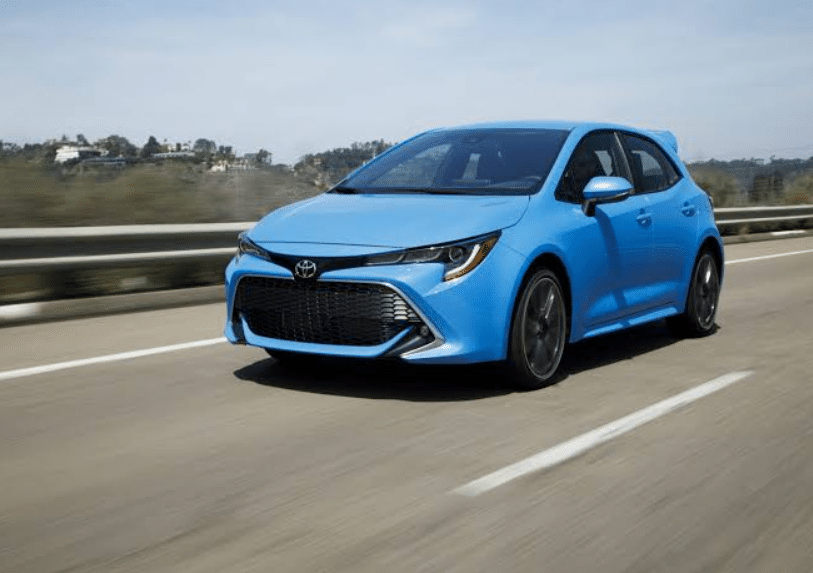
Buying your first car is an exciting milestone, but choosing the right vehicle can be challenging. New drivers usually need a car that is easy to drive, affordable to operate, comfortable enough for everyday use, and equipped with useful safety features.
The best cars for new drivers to buy are not necessarily the fastest or most luxurious models. A good first car should have predictable handling, manageable dimensions, good visibility, reasonable fuel economy, and safety technology that can help reduce the consequences of common driving mistakes.
Popular choices include the Honda Civic, Toyota Corolla, Mazda3, Honda HR-V, Toyota Corolla Cross, Subaru Crosstrek, Hyundai Elantra, Kia Forte, Mazda CX-30, and Chevrolet Trax.
What Should New Drivers Look for in a Car?
New drivers should focus on characteristics that make driving easier and ownership more affordable.
Important factors include:
-
Safety: Look for strong crash protection and modern safety technology.
-
Easy handling: A car with predictable steering and braking can be easier to learn in.
-
Good visibility: Clear views around the vehicle make parking and changing lanes easier.
-
Compact dimensions: Smaller cars can be easier to maneuver in crowded areas.
-
Fuel economy: Efficient vehicles can help keep everyday expenses under control.
-
Reliability: A dependable car can reduce unexpected repair costs.
-
Affordable maintenance: Parts, tires, servicing, and repairs should fit your budget.
-
Comfort: A comfortable driving position is important if you spend a lot of time behind the wheel.
-
Useful technology: Backup cameras, parking sensors, and driver-assistance features can make everyday driving easier.
Best Cars for New Drivers
| Car | Best For | Main Advantage | Potential Drawback |
|---|---|---|---|
| Honda Civic | Overall first-car use | Safety, comfort, and practicality | Higher trims can get expensive |
| Toyota Corolla | Reliability-focused buyers | Easy ownership and efficiency | Conservative performance |
| Mazda3 | Driving enjoyment | Refined interior and handling | Rear-seat space is limited |
| Hyundai Elantra | Budget-conscious buyers | Value and fuel economy | Less engaging to drive |
| Honda HR-V | Small SUV buyers | Practical interior | Performance is modest |
| Toyota Corolla Cross | Small families | SUV practicality | Acceleration can feel relaxed |
| Subaru Crosstrek | All-weather driving | Standard AWD | Fuel economy isn’t class-leading |
| Mazda CX-30 | Premium feel | Upscale cabin and handling | Tight rear seating |
| Chevrolet Trax | Affordable SUV | Low entry cost and cargo space | Less powerful than some rivals |
| Kia Forte | Simple commuting | Affordable and efficient | Interior feels less premium |
1. Honda Civic
The Honda Civic is a versatile choice for a new driver who wants a car that can remain useful for years.
Its manageable dimensions make it relatively easy to maneuver, while the interior provides enough space for passengers and everyday cargo. The Civic is available as a sedan or hatchback, giving buyers additional flexibility.
Modern driver-assistance features can also provide useful support for inexperienced drivers.
The Civic can work particularly well for students, commuters, and young professionals because it combines everyday practicality with a relatively straightforward driving experience.
Its biggest disadvantage for budget buyers is that higher trims and optional features can significantly increase the price.
2. Toyota Corolla
The Toyota Corolla is one of the most familiar compact cars and remains a practical option for first-time buyers.
Its compact size makes it easy to park, while its fuel-efficient powertrains can help reduce daily fuel expenses.
The Corolla is particularly appealing to buyers who prioritize straightforward transportation over sporty performance.
Its interior is also easy to understand, which can be useful for someone who is still becoming comfortable with driving.
For a new driver who wants a car for commuting, school, work, and everyday errands, the Corolla is a sensible option.
3. Mazda3
The Mazda3 is a good choice for new drivers who want something a little more enjoyable to drive.
Its steering and handling provide a more engaging experience than many traditional compact cars, while the interior has a refined appearance.
The Mazda3 is available in sedan and hatchback forms, allowing buyers to choose between conventional styling and additional cargo flexibility.
Its smaller rear seating area is worth considering if you regularly transport passengers.
For an individual or couple who wants a first car that feels more premium without becoming a luxury vehicle, the Mazda3 can be an appealing option.
4. Hyundai Elantra
The Hyundai Elantra focuses on affordability, efficiency, and practical everyday transportation.
Its compact dimensions make it easy to maneuver through city streets, while its fuel-efficient powertrain can help keep running costs manageable.
The Elantra also offers modern interior technology and a comfortable cabin.
For students or young professionals working with a limited budget, it can provide many of the features expected from a modern car without requiring a premium price.
5. Honda HR-V
Not every new driver wants a sedan. The Honda HR-V is a compact crossover that provides a higher seating position and additional cargo flexibility.
Its relatively compact exterior makes it easier to handle than a large SUV, while the hatchback-style cargo area provides useful space for groceries, luggage, and other equipment.
The HR-V can be particularly useful for new drivers who want an SUV-style vehicle but don’t need a large family SUV.
Performance is not its strongest feature, but predictable handling and practicality can be more important for a first-time driver.
6. Toyota Corolla Cross
The Toyota Corolla Cross combines the familiar name of the Corolla with the body style and practicality of a small SUV.
Its higher seating position can provide a useful view of the road, while its cargo area is more flexible than that of a traditional compact sedan.
The Corolla Cross can work well for new drivers who want additional space without moving into a larger SUV.
Its relaxed performance may not appeal to drivers looking for excitement, but it can be perfectly suitable for commuting and everyday transportation.
7. Subaru Crosstrek
The Subaru Crosstrek is an option for new drivers who live in areas with challenging weather.
Its all-wheel-drive system and relatively high ground clearance can be useful in snow, rain, and on poorly maintained roads.
The compact dimensions also make it more manageable than a larger SUV.
The Crosstrek’s upright design provides good outward visibility, which can be useful when learning to judge the size and position of a vehicle.
Its fuel economy and acceleration may not match the smallest compact cars, but its additional capability can make sense for drivers in areas with difficult road conditions.
8. Mazda CX-30
The Mazda CX-30 provides the practicality of a small SUV with an interior that has a more upscale appearance.
Its compact dimensions make it suitable for city driving and parking, while its handling gives it a more engaging character than many small crossovers.
The CX-30 can be an attractive choice for a new driver who wants a vehicle that feels premium without moving into a traditional luxury brand.
The rear seats are relatively tight, so buyers should test the vehicle if they regularly carry passengers.
9. Chevrolet Trax
The Chevrolet Trax is worth considering for buyers who want an affordable small SUV.
Its larger body provides useful cargo space, while its compact footprint keeps it relatively manageable for urban driving.
The Trax can be particularly useful for students or first-time buyers who want SUV practicality without the size and cost of a larger crossover.
Its performance is oriented more toward everyday transportation than sporty driving, which can be appropriate for a new driver.
10. Kia Forte
The Kia Forte is a compact sedan designed around affordability and efficient everyday transportation.
Its relatively small dimensions make parking easier, while its efficient powertrain can help control fuel expenses.
The Forte can be a practical first car for someone who primarily needs transportation for school, work, commuting, and errands.
Buyers should compare available safety and technology features across different trims to ensure the selected version has the equipment they want.
New Car vs. Used Car for a New Driver
Buying a new car isn’t always necessary for a first-time driver.
A used vehicle can cost substantially less and may allow you to purchase a higher-quality model within the same budget. However, used cars require more attention to maintenance history, mileage, accident history, and mechanical condition.
If you choose a used car, consider getting a professional inspection before purchasing it.
A newer used car can also provide modern safety technology while avoiding some of the initial depreciation associated with buying new.
Should a New Driver Buy a Small Car or SUV?
Both can work well, but the right choice depends on your needs.
A small sedan is generally easier to maneuver and park. It can also be more fuel-efficient and less expensive to purchase.
A compact SUV provides additional cargo space and a higher seating position. However, its larger dimensions can make parking slightly more challenging.
If you mainly drive around a city and rarely carry large items, a sedan may be sufficient. If you regularly carry passengers, sports equipment, luggage, or outdoor gear, a small SUV may be more practical.
How Much Should a New Driver Spend on a Car?
Don’t base your budget solely on the purchase price.
New drivers should also consider:
-
Insurance
-
Fuel
-
Maintenance
-
Tires
-
Registration
-
Repairs
-
Financing
-
Parking
-
Emergency expenses
Insurance can be particularly important for inexperienced drivers. Before purchasing a vehicle, get an insurance quote for the specific model and trim you’re considering.
A cheaper car with lower insurance and maintenance costs may be more affordable overall than a more expensive vehicle with a lower sticker price but higher running costs.
Safety Features New Drivers Should Consider
Modern safety technology can provide additional assistance, although it should never replace attentive driving.
Useful features can include:
-
Automatic emergency braking
-
Forward collision warning
-
Lane-departure warning
-
Lane-keeping assistance
-
Blind-spot monitoring
-
Rear cross-traffic alert
-
Adaptive cruise control
-
Rearview camera
-
Parking sensors
A new driver should still learn proper observation, braking, lane positioning, and defensive-driving techniques.
Technology is there to assist the driver, not to take responsibility away from them.
Tips for Buying Your First Car
Take your time before making a purchase.
Start by deciding whether you want a sedan, hatchback, or SUV. Then determine how much you can comfortably spend each month.
Take several cars for test drives rather than choosing based solely on appearance. Pay attention to visibility, seat comfort, steering response, braking, acceleration, parking, and how easy the controls are to understand.
If you’re buying used, inspect the vehicle’s maintenance records and have an independent mechanic examine it.
Most importantly, don’t spend your entire budget on the car itself. Leave room for insurance, maintenance, fuel, and unexpected expenses.
Final Thoughts
The best cars for new drivers to buy should make everyday driving manageable while keeping ownership costs under control.
The Honda Civic and Toyota Corolla are versatile choices for drivers who want practical compact cars. The Mazda3 provides a more engaging driving experience, while the Hyundai Elantra focuses on affordability and efficiency.
For buyers who prefer an SUV, the Honda HR-V, Toyota Corolla Cross, Subaru Crosstrek, Mazda CX-30, and Chevrolet Trax provide compact alternatives that are easier to manage than larger SUVs.
The right first car isn’t necessarily the cheapest or most powerful option. It should match your driving ability, budget, lifestyle, and expected use.
Before buying, compare insurance quotes, fuel economy, maintenance costs, safety equipment, and the vehicle’s overall condition. A sensible first car can give you years of dependable transportation while helping you build confidence and experience behind the wheel.
FAQs About Cars for New Drivers
What is the best car for a new driver?
The Honda Civic, Toyota Corolla, Mazda3, and Hyundai Elantra are practical choices for many new drivers. The best option depends on budget, driving environment, passenger needs, and preferred features.
Is a small car better for a first-time driver?
A small car can be easier to maneuver and park, which can be helpful for inexperienced drivers. However, safety, visibility, and ease of use are more important than size alone.
Should a new driver buy a sedan or SUV?
A sedan may be easier to maneuver and more economical, while a compact SUV can provide additional cargo space and a higher seating position. Both can be suitable first vehicles.
Is it better to buy a new or used first car?
A used car can reduce the initial purchase cost, while a new car offers newer technology, a factory warranty, and no previous ownership history. A well-maintained used car can be an excellent first vehicle.
What safety features should a first car have?
Consider automatic emergency braking, forward collision warning, a rearview camera, blind-spot monitoring, lane-departure warning, and other modern driver-assistance features where available.
Are SUVs safe for new drivers?
Compact SUVs can be suitable for new drivers, but larger vehicles may be more difficult to maneuver and park. Vehicle size alone does not determine safety, so consider crash protection, safety technology, visibility, and handling.
What is the most important thing to consider when buying a first car?
Safety should be a major consideration, followed by affordability, reliability, ease of driving, fuel economy, insurance costs, and maintenance expenses.
How much should I spend on my first car?
Choose a budget that leaves enough money for insurance, fuel, maintenance, registration, and unexpected repairs. Avoid using your entire available budget on the purchase price.
Is a used Toyota Corolla good for a new driver?
A properly maintained used Corolla can be a practical first car because of its compact dimensions, straightforward driving characteristics, and generally manageable ownership costs.
Should new drivers get a powerful car?
A new driver may benefit from choosing a vehicle with predictable acceleration and handling rather than prioritizing high horsepower. Learning good driving habits and building experience should come before seeking high performance.