
Buying a car is only the beginning of the ownership expense. Over the years, routine servicing, oil changes, tires, brakes, batteries, repairs, and replacement parts can add significantly to the total cost of owning a vehicle. For budget-conscious drivers, choosing a car with low maintenance costs can make everyday transportation much more affordable.
The best low-maintenance cars typically combine dependable engines, straightforward mechanical systems, widely available parts, affordable servicing, and strong long-term durability. Popular choices include the Toyota Corolla, Honda Civic, Toyota Camry, Honda Accord, Mazda3, Toyota Prius, Honda CR-V, Toyota RAV4, Suzuki Alto, and Honda City.
Maintenance costs can vary depending on location, model year, mileage, driving conditions, and whether you use genuine or aftermarket parts. A well-maintained car is also generally less expensive to own than a neglected example of the same model.
What Makes a Car Cheap to Maintain?
Several factors influence how much you’ll spend maintaining a vehicle.
Look for:
-
Reliable engine and transmission
-
Widely available replacement parts
-
Affordable routine servicing
-
Large network of qualified mechanics
-
Good fuel economy
-
Reasonably priced tires and brakes
-
Simple mechanical components
-
Strong long-term reliability
-
Good availability of aftermarket parts
-
A documented maintenance history
A car that is inexpensive to service but frequently needs major repairs isn’t necessarily a low-cost vehicle. It’s better to consider the total cost of ownership rather than looking at the price of an oil change alone.
Best Cars With Low Maintenance Costs
| Car | Best For | Main Advantage | Potential Drawback |
|---|---|---|---|
| Toyota Corolla | Affordable ownership | Reliability and parts availability | Basic driving experience |
| Honda Civic | Daily commuting | Efficiency and durability | Newer examples can be expensive |
| Toyota Camry | Families | Long-term durability | Larger maintenance items can cost more |
| Honda Accord | Comfort | Spacious and dependable | Higher parts costs than small cars |
| Mazda3 | Driving enjoyment | Efficient and refined | Some parts can cost more |
| Toyota Prius | Fuel-conscious drivers | Excellent efficiency | Hybrid components require specialized service |
| Honda CR-V | Small families | Practical SUV design | SUV parts can cost more than sedan parts |
| Toyota RAV4 | Family use | Reliability and versatility | Used prices can remain high |
| Suzuki Alto | Budget ownership | Very low routine costs | Limited space and performance |
| Honda City | Affordable sedan | Efficient and practical | Less powerful than larger sedans |
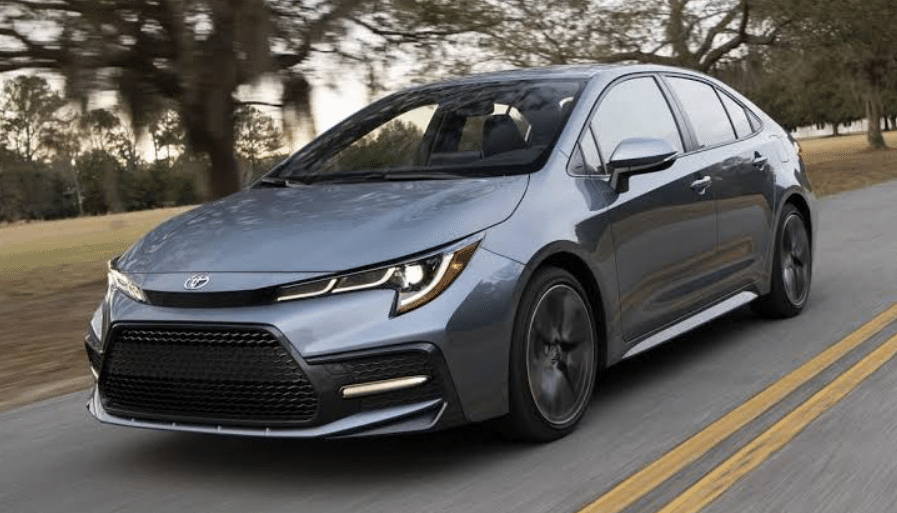
1. Toyota Corolla
The Toyota Corolla is one of the most recognizable choices for drivers who prioritize affordable long-term ownership.
Its popularity means replacement parts and knowledgeable mechanics are generally easy to find in many markets. The car’s relatively straightforward design also helps keep routine servicing manageable.
The Corolla is available in different configurations depending on the market, but its appeal remains similar: reliable transportation with predictable running costs.
It’s especially suitable for commuters, families, students, and drivers who want a car that can be kept for many years.
The main drawback is that some newer Corollas can have higher purchase prices because of strong demand.
2. Honda Civic
The Honda Civic combines relatively low operating costs with practical everyday performance.
It is available in sedan and hatchback configurations in various markets, giving buyers flexibility depending on their cargo requirements.
The Civic’s efficient engines can help control fuel expenses, while its popularity means many mechanics are familiar with the model.
When buying a used Civic, however, condition matters significantly. A poorly maintained example can quickly become expensive regardless of the model’s reputation.
3. Toyota Camry
The Toyota Camry is a good option for buyers who need more space than a compact sedan provides.
Its larger cabin makes it useful for families and highway commuters, while its long-standing reputation for durability makes it attractive to long-term owners.
Routine maintenance is generally straightforward, although tires, brakes, and other consumable components can cost more than they would on a smaller compact car.
A Camry can be particularly appealing to drivers who want to keep a vehicle for many years rather than replace it frequently.
4. Honda Accord
The Honda Accord offers a useful combination of interior space, comfort, fuel economy, and long-term practicality.
It can be an excellent choice for families that want a sedan without moving to an SUV.
Maintenance costs can vary considerably depending on the engine and model year. Turbocharged or more technologically complex versions may require different servicing than older naturally aspirated models.
When purchasing a used Accord, check its maintenance records carefully and have the vehicle inspected before purchase.
5. Mazda3
The Mazda3 is a good choice for drivers who want low ownership costs without giving up driving enjoyment.
It provides responsive handling, an attractive interior, and relatively efficient powertrains. Available sedan and hatchback configurations can also accommodate different lifestyles.
Routine maintenance can be manageable, but buyers should compare local parts and service prices before purchasing.
The Mazda3 is particularly attractive for drivers who want a compact car that feels more refined than a basic economy vehicle.
6. Toyota Prius
The Toyota Prius is designed around fuel efficiency, which can make a significant difference to overall ownership expenses for high-mileage drivers.
Its hybrid system can reduce gasoline consumption, particularly during city driving. Lower fuel consumption can potentially offset some of the additional complexity associated with the hybrid powertrain.
Used Prius buyers should pay particular attention to the condition of the hybrid battery and other hybrid components.
A professional inspection is particularly valuable when purchasing an older Prius.
7. Honda CR-V
The Honda CR-V provides SUV practicality without the size of a large crossover.
It offers useful cargo space, comfortable seating, and relatively efficient powertrains. This makes it a practical choice for families and commuters who need more space than a sedan provides.
Routine maintenance can be somewhat more expensive than on a compact sedan because of its larger size and SUV-specific components, but its overall practicality can make the additional expense worthwhile.
Hybrid versions are also available in various markets.
8. Toyota RAV4
The Toyota RAV4 is another compact SUV that combines practicality with a strong reputation for long-term ownership.
Its cargo space makes it useful for families, while available hybrid versions can reduce fuel expenses for drivers who cover many miles.
Because RAV4 models often retain strong demand in the used market, purchase prices can be relatively high.
Still, buyers who plan to keep the vehicle for many years may value its combination of practicality and durability.
9. Suzuki Alto
For drivers in markets where the Suzuki Alto is widely available, it can be one of the most economical vehicles to own.
Its small engine, compact size, relatively simple mechanical design, and inexpensive replacement parts help keep routine expenses low.
The Alto is particularly suitable for city driving, students, first-time buyers, and drivers who don’t need a large amount of passenger or cargo space.
Its biggest limitations are its modest performance and smaller interior.
For buyers who prioritize affordable transportation over comfort or power, those compromises may be acceptable.
10. Honda City
The Honda City is a practical compact sedan that can offer relatively affordable ownership.
Its efficient engine and compact dimensions make it suitable for commuting and urban driving, while its sedan body provides more passenger and trunk space than many small hatchbacks.
Parts and service availability can also make ownership easier in markets where Honda has a strong presence.
The City is particularly useful for buyers who want a balance between affordability, comfort, and manageable maintenance expenses.
Maintenance Cost vs. Fuel Cost
It’s important to remember that maintenance is only one part of vehicle ownership.
Fuel can represent a much larger expense for drivers who cover many miles every year. A car with slightly higher servicing costs but significantly better fuel economy may ultimately be cheaper to own.
For example, a driver who travels long distances every week may benefit more from a fuel-efficient hybrid than from choosing a conventional car simply because its oil changes are cheaper.
Consider:
-
Fuel consumption
-
Annual mileage
-
Fuel prices
-
Insurance
-
Maintenance
-
Repairs
-
Tires
-
Registration
-
Depreciation
Looking at all of these expenses gives you a better picture of the vehicle’s true ownership cost.
New vs. Used Cars With Low Maintenance Costs
A used car can be cheaper to purchase but may require more frequent repairs as it gets older.
A newer car generally costs more upfront but may provide fewer unexpected repair expenses during the first few years.
If you’re buying used, maintenance history becomes extremely important.
Look for evidence of:
-
Regular oil changes
-
Transmission servicing
-
Brake maintenance
-
Cooling-system service
-
Tire replacement
-
Battery replacement
-
Scheduled inspections
A detailed service history can tell you much more about the vehicle’s future ownership costs than its mileage alone.
How to Reduce Car Maintenance Costs
Even a reliable car requires regular care.
You can reduce long-term expenses by following the manufacturer’s recommended maintenance schedule and addressing small problems before they become major failures.
Simple habits include:
-
Check tire pressure regularly.
-
Change engine oil on schedule.
-
Replace worn brakes promptly.
-
Check fluid levels.
-
Replace filters when recommended.
-
Don’t ignore dashboard warning lights.
-
Use quality replacement parts.
-
Keep service records.
-
Have unusual noises inspected early.
Preventive maintenance can often be much cheaper than repairing a major mechanical failure.
Are Japanese Cars Cheaper to Maintain?
Japanese brands such as Toyota, Honda, Mazda, and Subaru have many models known for practical ownership and long-term durability.
However, country of origin alone doesn’t determine maintenance costs.
Parts availability, local mechanic expertise, vehicle age, model complexity, and the specific engine or transmission can all make a significant difference.
In some markets, a locally popular vehicle from another manufacturer may actually be cheaper to maintain because parts and mechanics are more readily available.
What About Luxury Cars?
Luxury vehicles can offer excellent comfort and technology, but they generally aren’t the first choice for buyers prioritizing low maintenance costs.
Premium components, specialized parts, larger wheels, advanced electronics, and more complex powertrains can increase repair and servicing expenses.
If low ownership costs are your main goal, a mainstream compact car or midsize sedan is often easier to budget for than a luxury vehicle.
Final Thoughts
The best cars with low maintenance costs combine dependable mechanical components with affordable servicing and easy access to parts.
The Toyota Corolla and Honda Civic are strong choices for everyday transportation, while the Toyota Camry and Honda Accord provide additional space. The Mazda3 offers a more engaging driving experience, and the Toyota Prius can reduce fuel expenses through its hybrid powertrain.
For SUV buyers, the Honda CR-V and Toyota RAV4 offer practical alternatives. In markets where it’s widely available, the Suzuki Alto can provide particularly low routine ownership costs, while the Honda City offers a practical compact-sedan option.
The most important factor is not simply choosing a car with a reputation for reliability. Look at the individual vehicle’s condition, maintenance history, mileage, and local parts availability.
Before buying, calculate your expected annual fuel, insurance, maintenance, tire, and repair expenses. Choosing a vehicle that is affordable to maintain can help you avoid unexpected costs and make car ownership much easier over the long term.
FAQs About Cars With Low Maintenance Costs
What is the cheapest car to maintain?
Small, simple vehicles such as the Suzuki Alto can have very low routine maintenance costs in markets where parts and servicing are widely available. The Toyota Corolla and Honda Civic are also popular choices for affordable long-term ownership.
Which car brand has the lowest maintenance costs?
Toyota and Honda have many models known for manageable maintenance and long-term durability. However, costs vary by model, year, location, and availability of parts and mechanics.
Is Toyota Corolla cheap to maintain?
The Corolla is generally considered a practical car to maintain because of its popularity, parts availability, and relatively straightforward mechanical design.
Is Honda Civic expensive to maintain?
Routine maintenance on a Civic can be manageable, but costs vary depending on the model year, engine, transmission, and replacement parts. A well-maintained vehicle is generally easier to budget for.
Are hybrid cars expensive to maintain?
Hybrid vehicles have additional components compared with conventional gasoline cars, but they can also reduce fuel consumption and brake wear. Battery condition is particularly important when buying a used hybrid.
Which is cheaper to maintain, an SUV or sedan?
A compact sedan will often have lower routine costs than a larger SUV because it may use smaller tires, brakes, and other components. However, the exact difference depends on the models being compared.
How can I lower my car maintenance costs?
Follow the recommended service schedule, maintain proper tire pressure, address warning lights promptly, use quality replacement parts, and have small mechanical problems repaired before they become major failures.
Is an older reliable car better than a newer cheap car?
Not necessarily. A well-maintained older car can be an excellent purchase, but age-related wear can increase repair costs. Always evaluate the specific vehicle’s condition and maintenance history.
What should I check before buying a low-maintenance used car?
Check maintenance records, accident history, mileage, engine condition, transmission behavior, tires, brakes, suspension, fluids, air conditioning, electronics, and warning lights. A professional inspection is also recommended.
Does fuel economy matter when choosing a low-cost car?
Yes. Fuel can represent a major portion of annual vehicle expenses. A fuel-efficient car can potentially save more money over several years than choosing a vehicle solely because it has inexpensive routine servicing.