
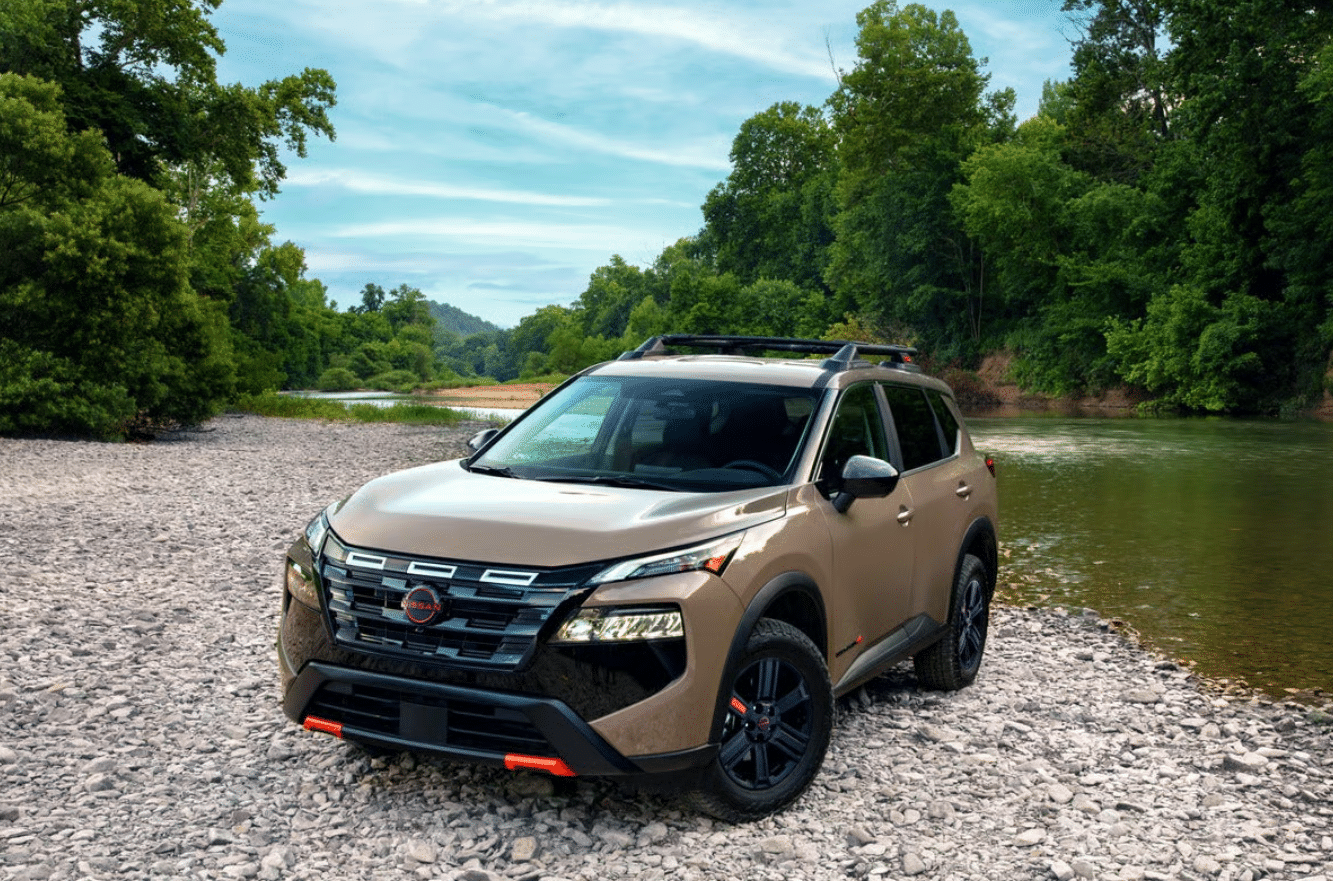
Compact SUVs have become popular with drivers who want the practicality of an SUV without the size and running costs of a larger vehicle. They offer a comfortable driving position, useful cargo space, good fuel economy, and enough room for passengers while remaining relatively easy to maneuver around town.
For daily driving, the ideal compact SUV should be comfortable during commutes, easy to park, dependable, reasonably fuel-efficient, and practical enough for shopping, family trips, and weekend travel.
The best compact SUVs for daily driving include the Honda CR-V, Toyota RAV4, Mazda CX-5, Hyundai Tucson, Kia Sportage, Subaru Forester, Nissan Rogue, Volkswagen Tiguan, and Ford Bronco Sport. Each offers a different combination of comfort, efficiency, technology, cargo space, and driving performance.
What Makes a Good Compact SUV for Daily Driving?
Daily driving involves more than simply getting from one place to another. You may spend hours in traffic, make frequent short trips, carry passengers, or need additional space for groceries and luggage.
When choosing a compact SUV, consider:
-
Fuel economy: Efficient vehicles can reduce your monthly fuel expenses.
-
Comfort: Supportive seats and a smooth ride are important for regular commuting.
-
Reliability: A dependable SUV can help reduce unexpected repair costs.
-
Cargo space: Useful storage makes everyday errands easier.
-
Interior technology: Smartphone connectivity, navigation, and modern infotainment can improve convenience.
-
Safety: Driver-assistance features can provide additional protection during daily travel.
-
Size: A compact SUV should be easy enough to maneuver and park in urban areas.
-
Maintenance costs: Compare expected servicing and repair expenses before buying.
-
All-wheel drive: This can be useful for drivers who regularly encounter snow, rain, or rough roads.
Best Compact SUVs for Daily Driving
| SUV | Best For | Main Advantage | Potential Drawback |
|---|---|---|---|
| Honda CR-V | Everyday family use | Spacious and comfortable | Higher trims can be expensive |
| Toyota RAV4 | Efficiency and practicality | Hybrid options and useful cargo space | Some versions can feel noisy |
| Mazda CX-5 | Driving enjoyment | Refined interior and handling | Rear space is less generous |
| Hyundai Tucson | Features and value | Spacious cabin and technology | Driving experience is fairly relaxed |
| Kia Sportage | Value-focused buyers | Lots of standard features | Some versions prioritize comfort over performance |
| Subaru Forester | All-weather driving | Standard AWD and visibility | Not the sportiest SUV |
| Nissan Rogue | Commuting | Comfortable ride and practical interior | Performance is modest |
| Volkswagen Tiguan | Families | Flexible interior and cargo space | Fuel economy varies by version |
| Ford Bronco Sport | Outdoor-oriented drivers | Compact size and rugged design | Rear space is limited |
1. Honda CR-V
The Honda CR-V is designed around practicality, comfort, and everyday usability.
Its spacious cabin provides plenty of room for passengers, while the cargo area is useful for groceries, luggage, and everyday equipment. The comfortable ride also makes it suitable for longer commutes.
The CR-V is available with both conventional and hybrid powertrains, giving buyers different options depending on their priorities.
For families, the rear seating area and cargo flexibility can be particularly useful. For individual commuters, its manageable dimensions make it relatively easy to use in busy urban environments.
2. Toyota RAV4
The Toyota RAV4 is another popular compact SUV for everyday driving.
Its practical cabin, useful cargo capacity, and available hybrid technology make it suitable for a wide range of drivers. The hybrid versions can be particularly appealing to people who drive frequently and want to reduce fuel consumption.
The RAV4 also provides a higher driving position than a sedan without becoming as large as a three-row SUV.
For daily commuting, shopping, family transportation, and weekend trips, the RAV4 offers a versatile package.
3. Mazda CX-5
The Mazda CX-5 is a good choice for drivers who want their compact SUV to feel enjoyable behind the wheel.
Its responsive handling and refined cabin give it a more premium feel than some mainstream competitors. It can work equally well as a daily commuter and a weekend road-trip vehicle.
The CX-5’s main compromise is interior space. Rear passengers may have less room than they would in some competitors, so families should test the seating arrangement before buying.
For drivers who prioritize driving enjoyment without moving into a luxury SUV, the CX-5 is worth considering.
4. Hyundai Tucson
The Hyundai Tucson focuses heavily on interior space, technology, and everyday comfort.
Its cabin provides useful passenger room, while the cargo area can handle common family and shopping needs. Available hybrid versions also give fuel-conscious buyers another option.
The Tucson is well suited to drivers who want a modern compact SUV without placing performance at the top of their priority list.
Its comfortable ride and spacious interior make it a practical choice for commuting and family transportation.
5. Kia Sportage
The Kia Sportage provides a combination of attractive styling, interior space, and technology.
It is particularly appealing to buyers who want a lot of features without moving into a luxury vehicle. The cabin offers useful storage and passenger space, while the SUV’s dimensions remain manageable for everyday use.
Hybrid versions can also appeal to drivers who want better fuel efficiency.
The Sportage is a good fit for commuters and small families who want a feature-rich compact SUV for daily transportation.
6. Subaru Forester
The Subaru Forester is particularly interesting for drivers who regularly encounter rain, snow, or challenging road conditions.
All-wheel drive is a major part of its appeal, while the upright design provides good visibility for the driver. The cabin also offers practical passenger and cargo space.
The Forester isn’t primarily designed as a sporty SUV. Instead, it focuses on practicality, comfort, visibility, and all-weather usability.
For drivers who live in areas with difficult weather, those characteristics can be more valuable than fast acceleration.
7. Nissan Rogue
The Nissan Rogue is designed for comfortable everyday transportation.
Its interior provides useful space for passengers, while the cargo area is suitable for groceries, luggage, and everyday equipment. The relatively compact exterior also makes it convenient for urban driving.
The Rogue is particularly suitable for commuters who prioritize comfort and practicality over sporty performance.
Before buying a used Rogue, check the vehicle’s maintenance history and condition carefully.
8. Volkswagen Tiguan
The Volkswagen Tiguan offers a combination of European styling, interior flexibility, and everyday practicality.
Depending on configuration and market, seating and cargo arrangements can vary, making it important to choose the version that best matches your needs.
The Tiguan can be a good choice for families who want a compact SUV with a spacious cabin and a refined interior.
Its larger dimensions compared with some compact competitors may be noticeable when parking in tight city spaces.
9. Ford Bronco Sport
The Ford Bronco Sport takes a different approach to the compact SUV segment.
Its rugged styling and available off-road-oriented features make it attractive to drivers who spend weekends hiking, camping, or exploring outdoor areas while still needing a practical vehicle during the week.
Its compact size makes it easier to maneuver than larger SUVs.
The main compromise is that rear-seat and cargo space aren’t as generous as some of the more family-focused competitors.
Compact SUV vs. Sedan for Daily Driving
A compact SUV isn’t automatically better than a sedan. The right choice depends on your lifestyle.
A sedan can provide excellent fuel economy, comfortable highway handling, and a lower purchase price. However, a compact SUV generally provides more cargo flexibility and a higher seating position.
SUVs can also be easier for some drivers to enter and exit because of their taller body design.
If you regularly carry groceries, sports equipment, luggage, or outdoor gear, a compact SUV may be more practical. If you mainly drive alone and want maximum fuel efficiency, a sedan could make more sense.
Hybrid vs. Gas Compact SUVs
Hybrid compact SUVs are becoming increasingly popular among daily commuters.
A hybrid can be particularly useful for drivers who spend considerable time in city traffic. The combination of a gasoline engine and electric motor can help reduce fuel consumption during certain driving conditions.
Models such as the Toyota RAV4, Honda CR-V, Hyundai Tucson, and Kia Sportage offer hybrid options in various markets.
However, a hybrid isn’t necessarily the best choice for every driver. Consider the purchase price, annual mileage, fuel costs, and expected ownership period before choosing.
Are Compact SUVs Good for Families?
Compact SUVs can be excellent family vehicles for smaller households.
They generally offer enough rear-seat space for children and useful cargo capacity for groceries, strollers, backpacks, and luggage. Many also provide modern safety and driver-assistance features.
However, families with three or more children should check car-seat compatibility carefully. If you regularly need to carry a large number of passengers, a three-row SUV or minivan may be more practical.
How to Save Money With a Compact SUV
Buying an efficient SUV is only one part of keeping ownership costs low.
Regular maintenance can help prevent expensive mechanical problems. Keeping tires properly inflated can also support fuel efficiency and tire life.
You can further reduce costs by comparing insurance rates, avoiding unnecessary modifications, driving smoothly, and following the recommended maintenance schedule.
When purchasing used, a professional inspection can help identify potential problems before you commit to the vehicle.
What Size Compact SUV Should You Choose?
Compact SUVs can vary significantly in size.
If you mainly drive around a city, prioritize a vehicle that is easy to park and maneuver. If you frequently travel with passengers and luggage, choose a model with more rear-seat and cargo space.
It’s also worth considering where you park at home and work. A vehicle that feels compact on a dealership lot can feel considerably larger in a narrow parking garage.
Final Thoughts
The best compact SUVs for daily driving provide a useful balance between comfort, practicality, fuel economy, technology, and manageable dimensions.
The Honda CR-V and Toyota RAV4 are versatile choices for everyday commuting and family use. The Mazda CX-5 is appealing to drivers who enjoy a more engaging driving experience, while the Hyundai Tucson and Kia Sportage focus on space, comfort, and features.
The Subaru Forester is well suited to drivers who want all-weather capability, while the Nissan Rogue and Volkswagen Tiguan provide practical options for daily transportation. For outdoor-oriented drivers, the Ford Bronco Sport offers a more rugged alternative.
Before choosing a compact SUV, think about your daily mileage, passenger needs, parking situation, fuel budget, and long-term ownership costs. A vehicle that fits your everyday routine will usually provide more value than one chosen simply because it has the longest list of features.
FAQs About Compact SUVs for Daily Driving
What is the best compact SUV for daily driving?
The Honda CR-V, Toyota RAV4, Mazda CX-5, Hyundai Tucson, and Kia Sportage are all popular choices for daily driving. The best option depends on whether you prioritize comfort, fuel economy, technology, cargo space, or driving enjoyment.
Are compact SUVs good for commuting?
Yes. Compact SUVs are well suited to commuting because they offer a higher driving position, useful cargo space, and manageable dimensions while generally being easier to maneuver than larger SUVs.
Which compact SUV gets the best fuel economy?
Hybrid versions of compact SUVs can provide significantly better fuel economy than conventional gasoline versions. The Toyota RAV4 Hybrid and Honda CR-V Hybrid are examples of fuel-efficient options.
Is the Honda CR-V good for everyday driving?
The CR-V offers a combination of comfortable seating, useful cargo space, and practical dimensions, making it suitable for commuting, shopping, family transportation, and road trips.
Is the Toyota RAV4 reliable?
The RAV4 has a long-standing reputation for practical everyday ownership. As with any vehicle, reliability depends on the specific model year, powertrain, maintenance history, and condition.
Are compact SUVs expensive to maintain?
Maintenance costs vary by model, age, mileage, and condition. Compact SUVs can generally be less expensive to operate than larger SUVs, but buyers should compare insurance, tires, fuel, servicing, and repair costs before purchasing.
Should I buy a hybrid or gas compact SUV?
A hybrid can make sense if you drive frequently and want to reduce fuel consumption. A gasoline model may be more suitable if the purchase price and simpler ownership are your primary concerns.
Which compact SUV is best for families?
Families may want to consider the Honda CR-V, Toyota RAV4, Hyundai Tucson, and Kia Sportage because they offer useful passenger and cargo space. Families with larger passenger requirements may need a three-row SUV instead.
Is AWD necessary for daily driving?
All-wheel drive isn’t necessary for everyone. It can be useful in areas with snow, heavy rain, or poor road conditions, but front-wheel-drive SUVs can be more than adequate for many drivers.
What should I check when buying a used compact SUV?
Check the service history, mileage, engine, transmission, brakes, tires, suspension, air conditioning, electronics, accident history, and warning lights. A professional pre-purchase inspection is also recommended.