
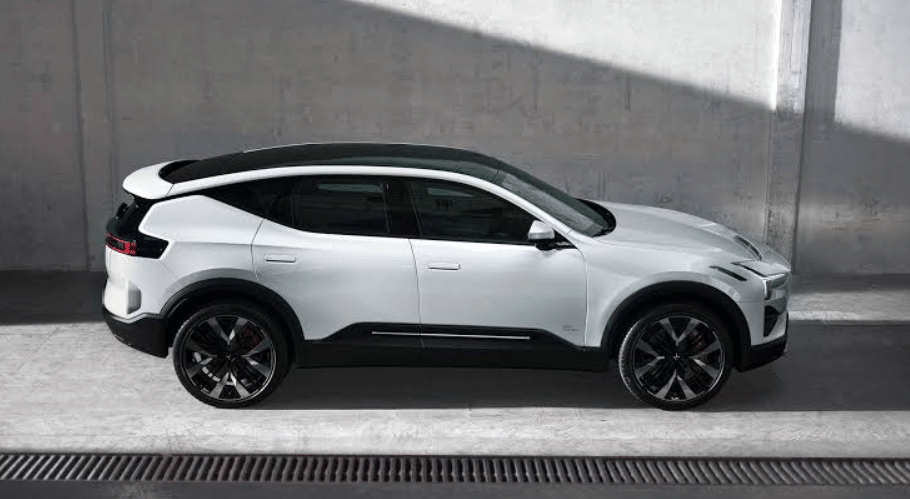
Electric cars have become increasingly practical for long-distance travel. Modern EVs can offer impressive driving ranges, comfortable cabins, quiet highway performance, and advanced charging technology. For drivers who regularly travel between cities or take road trips, choosing the right electric vehicle can make a major difference.
The best electric cars for long distance travel combine long driving range with fast charging, comfortable seating, useful cargo space, and dependable highway performance. Models such as the Tesla Model 3, Hyundai IONIQ 6, Tesla Model Y, Kia EV6, Hyundai IONIQ 5, Lucid Air, and Mercedes-Benz EQE are worth considering for different types of travelers.
However, range isn’t the only factor that matters. Charging speed, charging-network availability, weather conditions, driving speed, and battery size can all affect how convenient an EV is on a long journey.
What Makes an Electric Car Good for Long Distance Travel?
A vehicle with a large battery isn’t automatically the best road-trip EV. Long-distance travel requires a combination of range, charging convenience, comfort, and practicality.
Important features include:
-
Long driving range: More range can reduce the number of charging stops.
-
Fast DC charging: Faster charging can significantly shorten road-trip breaks.
-
Charging-network access: A reliable network is important when traveling between cities.
-
Comfortable seats: Supportive seats can reduce fatigue during long drives.
-
Quiet cabin: EVs are naturally quiet, which can make highway journeys more relaxing.
-
Cargo space: A useful trunk or cargo area is important for luggage.
-
Battery efficiency: Efficient EVs can travel farther without requiring an extremely large battery.
-
Highway stability: A smooth and predictable ride is valuable during extended trips.
-
Navigation: EV-specific navigation can help drivers plan charging stops.
Best Electric Cars for Long Distance Travel
| Electric Car | Best For | Main Advantage | Potential Drawback |
|---|---|---|---|
| Tesla Model 3 | Efficient road trips | Strong range and charging access | Interior is minimalist |
| Hyundai IONIQ 6 | Highway efficiency | Aerodynamic design and efficient driving | Sedan practicality |
| Tesla Model Y | Families | Cargo space and range | Ride can feel firm |
| Kia EV6 | Fast charging | Quick charging capability | Rear visibility |
| Hyundai IONIQ 5 | Comfortable road trips | Spacious cabin and charging speed | Boxier design |
| Lucid Air | Maximum range | Exceptional range potential | High purchase price |
| Mercedes-Benz EQE | Premium travel | Quiet and luxurious cabin | Expensive options |
| BMW i4 | Driving enthusiasts | Sporty handling and range | Rear-seat space |
| Ford Mustang Mach-E | Versatility | Practical crossover design | Charging time varies |
| Rivian R1S | Large families | Three-row space and adventure capability | Large and expensive |
1. Tesla Model 3
The Tesla Model 3 is one of the most recognizable electric cars and can be a strong option for long-distance drivers.
Its combination of efficiency, driving range, technology, and access to a large charging ecosystem makes it suitable for road trips. The sedan’s relatively efficient design also helps it make good use of its battery.
The Model 3 can work well for individuals and couples who don’t require a large cargo area.
Its minimalist interior may appeal to technology-focused buyers, although some drivers may prefer vehicles with more physical controls.
2. Hyundai IONIQ 6
The Hyundai IONIQ 6 is particularly well suited to highway driving because of its aerodynamic design.
Its streamlined body helps improve efficiency, while the interior provides a comfortable environment for longer journeys. Fast charging capability is another important advantage when planning road trips.
The IONIQ 6 is a sedan, so it may not provide the same cargo flexibility as an SUV.
For drivers who travel long distances with one or two passengers and prioritize efficiency, it can be an attractive choice.
3. Tesla Model Y
The Tesla Model Y combines many of the benefits of the Model 3 with the practicality of an SUV.
Its taller body and flexible cargo area make it useful for families, while the electric powertrain provides the advantages of quiet operation and low local emissions.
The Model Y can be a practical road-trip vehicle for drivers who need more luggage space than a sedan provides.
Its relatively compact footprint also makes it easier to use as an everyday vehicle between long-distance trips.
4. Kia EV6
The Kia EV6 is an electric crossover that places a strong emphasis on fast charging and modern design.
Its charging capability can be especially useful for long-distance drivers because shorter charging stops can make road trips more convenient.
The EV6 also offers a comfortable cabin and responsive performance.
Its sloping exterior design can reduce rear visibility and limit some cargo practicality compared with boxier SUVs, so families should test the vehicle before purchasing.
5. Hyundai IONIQ 5
The Hyundai IONIQ 5 has a distinctive design and a spacious interior.
Its flat-floor cabin creates a useful amount of passenger space, while its charging capabilities make it suitable for longer journeys.
The IONIQ 5 can be particularly attractive to families who want an EV with a roomy interior without moving into a large SUV.
Its upright shape also provides a useful combination of passenger and cargo flexibility.
6. Lucid Air
The Lucid Air is aimed at drivers who want an electric luxury sedan with exceptional long-distance capability.
Its efficient design and large battery options can provide very substantial driving range, making it particularly interesting for people who regularly cover long highway distances.
The interior is also designed around premium comfort and technology.
The biggest obstacle is price. The Lucid Air is considerably more expensive than many mainstream EVs, so it is primarily suited to buyers with a larger budget.
7. Mercedes-Benz EQE
The Mercedes-Benz EQE focuses heavily on comfort and luxury.
Its quiet cabin, premium materials, comfortable seating, and smooth electric powertrain make it suitable for extended highway journeys.
The EQE can be an excellent fit for drivers who value a relaxing driving experience and don’t mind paying more for a premium vehicle.
Like other luxury EVs, however, higher trims and optional equipment can make the final price considerably higher.
8. BMW i4
The BMW i4 provides an electric alternative for drivers who enjoy sporty sedans.
It combines electric performance with a relatively traditional BMW driving experience. The cabin provides premium materials and modern technology, while the sedan design remains practical enough for everyday use.
The i4 can work well for drivers who want an EV that feels engaging on winding roads as well as comfortable on highways.
Rear-seat space should be considered carefully if you regularly carry adults.
9. Ford Mustang Mach-E
The Ford Mustang Mach-E offers the practicality of a crossover with an electric powertrain.
Its elevated seating position and flexible cargo space make it suitable for road trips, while available range options give buyers some flexibility.
The Mach-E can be a useful choice for drivers who want an EV that works for both daily commuting and weekend travel.
Before purchasing, compare different battery and drivetrain configurations because range and charging characteristics can vary.
10. Rivian R1S
The Rivian R1S is a larger electric SUV designed for families and outdoor-oriented drivers.
Its three-row seating and large cargo area provide significantly more space than most electric sedans and compact crossovers.
It can also appeal to drivers who want to combine long-distance travel with camping, hiking, or other outdoor activities.
The trade-off is size and price. A large electric SUV can consume more energy than a smaller, more aerodynamic EV, particularly at highway speeds.
Why Charging Speed Matters More Than Maximum Range
Many EV buyers focus heavily on maximum range, but charging speed can be just as important for road trips.
Imagine two vehicles traveling the same route. One has slightly more range but requires a longer charging stop, while the other has slightly less range but can recover a substantial amount of range quickly.
The second vehicle could potentially make the overall journey more convenient.
When comparing EVs for long-distance travel, look at:
-
Maximum driving range
-
DC fast-charging speed
-
Charging curve
-
Charging-network availability
-
Number of charging stations along your common routes
-
Average charging time
-
Navigation and charging-route planning
How Weather Affects Electric Car Range
Temperature can affect EV efficiency and available range.
Cold weather can reduce battery efficiency and increase energy consumption because the vehicle needs energy for cabin heating and battery conditioning. Very hot conditions can also increase energy use through air conditioning and thermal management.
Highway speeds can also reduce range compared with slower urban driving because aerodynamic resistance increases significantly at higher speeds.
For long-distance travel, it’s therefore wise to plan around realistic driving conditions rather than relying entirely on the maximum advertised range.
How to Plan an EV Road Trip
Planning ahead can make an electric road trip much easier.
Start by entering your destination into the vehicle’s navigation system or an EV route-planning app. Check where charging stops are located and identify alternative stations along the route.
Avoid arriving at a charger with an almost empty battery whenever possible. Keeping some reserve range provides flexibility if a charging station is busy, unavailable, or unexpectedly offline.
It’s also useful to know the charging connectors supported by your vehicle and whether your preferred charging networks are compatible.
Electric Car vs. Gas Car for Long Distance Travel
Gasoline vehicles can generally be refueled quickly, while EV charging requires more time. However, electric cars offer quiet operation and can be very efficient.
For drivers who frequently travel long distances, charging infrastructure along their regular routes is one of the most important considerations.
If you have convenient charging at home and regularly travel along routes with reliable fast chargers, an EV can be practical for road trips.
If your journeys frequently take you through areas with limited charging infrastructure, a gasoline or hybrid vehicle may provide greater flexibility.
Should You Buy an EV for Long Distance Driving?
An electric car can be an excellent long-distance vehicle if its range and charging characteristics match your driving habits.
Before purchasing, think about your most common routes. A driver who travels between major cities with plenty of fast chargers has different needs from someone who regularly travels through remote areas.
Also consider whether you can charge at home. Home charging can make everyday EV ownership much more convenient because you can start many trips with a charged battery without visiting a public charging station.
Final Thoughts
The best electric cars for long distance travel are not necessarily the vehicles with the largest batteries. Efficiency, real-world range, charging speed, comfort, cargo space, and charging infrastructure all matter.
The Tesla Model 3 and Hyundai IONIQ 6 are compelling sedan options for efficient highway travel. The Tesla Model Y and Hyundai IONIQ 5 provide additional practicality for families, while the Kia EV6 offers strong charging performance.
For luxury buyers, the Lucid Air and Mercedes-Benz EQE provide premium long-distance comfort. The BMW i4 combines electric power with sporty driving, while the Ford Mustang Mach-E and Rivian R1S offer SUV practicality.
Before choosing an electric car for long trips, calculate the distance you normally travel, identify charging stations along your routes, compare charging speeds, and consider how weather and highway speeds may affect real-world range. The best EV for your road trips is the one that fits your actual travel patterns rather than simply having the highest number on a specification sheet.
FAQs About Electric Cars for Long Distance Travel
What is the best electric car for long distance travel?
The right EV depends on your budget and priorities. The Tesla Model 3, Hyundai IONIQ 6, Tesla Model Y, Hyundai IONIQ 5, and Kia EV6 are all worth considering for different types of long-distance travel.
What is more important, EV range or charging speed?
Both are important. Long range can reduce the number of charging stops, while fast charging can shorten the time spent at each stop. For frequent road trips, consider both factors together.
Can electric cars be used for road trips?
Yes. Modern EVs can be used for long road trips, especially on routes with reliable fast-charging infrastructure. Planning charging stops in advance can make the journey easier.
Does highway driving reduce EV range?
Highway driving can reduce efficiency compared with slower driving because higher speeds create greater aerodynamic resistance. Cold temperatures, strong winds, heavy loads, and climate-control use can also affect range.
Are electric cars comfortable for long journeys?
Many EVs are well suited to long journeys because they tend to have quiet cabins and smooth acceleration. Models with supportive seats, good suspension, and spacious interiors can be particularly comfortable.
Are electric SUVs good for long-distance travel?
Yes. Electric SUVs such as the Tesla Model Y, Hyundai IONIQ 5, Ford Mustang Mach-E, and Rivian R1S can be practical for long-distance travel, especially for families that need additional cargo space.
How long does it take to charge an electric car on a road trip?
Charging time varies significantly by vehicle, charger, battery temperature, battery state of charge, and charging speed. A DC fast charger can replenish a substantial amount of range much faster than a standard home charger.
Should I charge an EV to 100% before a long trip?
Charging to a high level before starting a long journey can provide additional range, but charging recommendations vary by vehicle and battery type. Follow the manufacturer’s guidance for everyday and long-distance charging.
Are electric cars cheaper to drive long distances?
Electric vehicles can have lower energy and routine maintenance costs than comparable gasoline vehicles, but the overall cost depends on electricity prices, public charging rates, fuel prices, insurance, maintenance, and the vehicle’s purchase price.
What should I consider before buying an electric car for road trips?
Consider real-world range, fast-charging capability, charging-network availability, home charging, cargo space, passenger comfort, weather conditions, and the routes you travel most often. These factors can be more important than maximum range alone.