
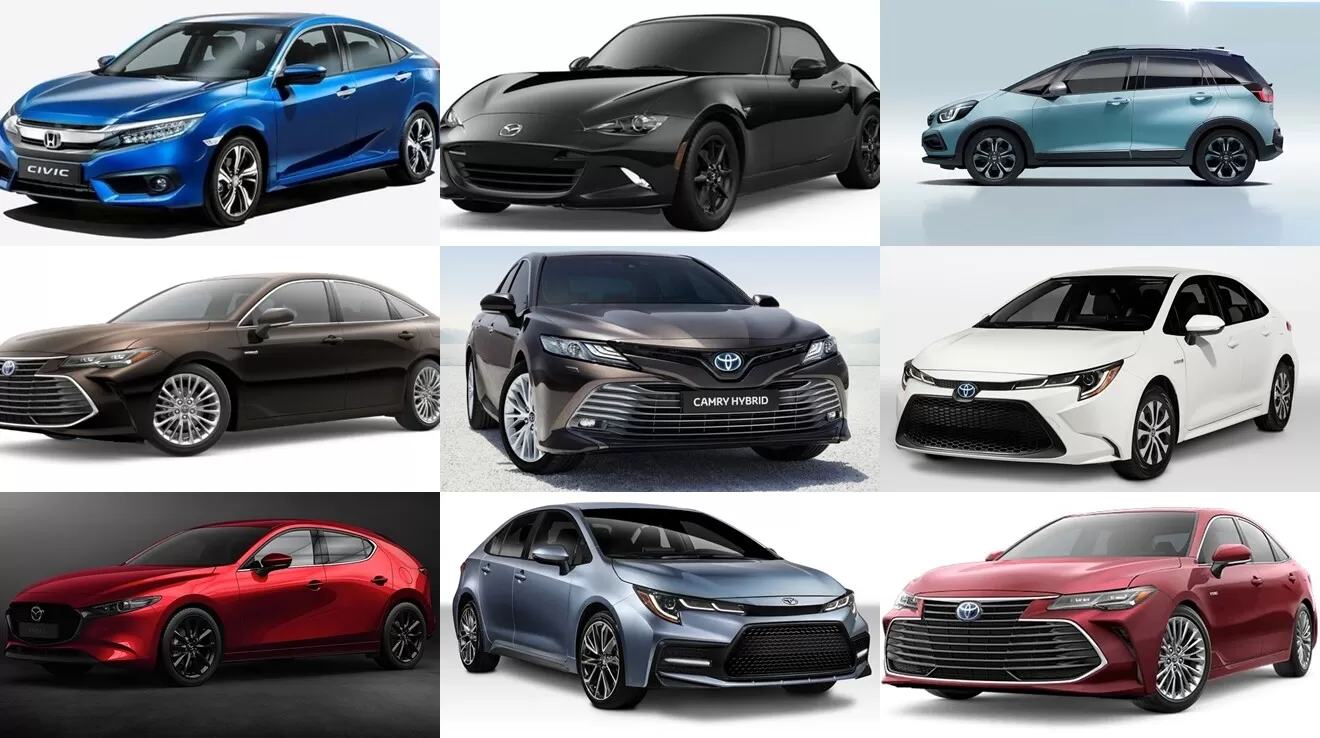
Daily city commuting means frequent stops, tight traffic, and lots of idling. In such conditions, fuel efficiency becomes one of the most important factors when choosing a car. A fuel‑efficient commuter car helps you spend less at the pump, reduces emissions, and makes rushed mornings a little easier. Whether you’re headed to work, school, or errands, choosing a car with excellent city fuel economy enhances everyday driving.
This guide highlights the best fuel‑efficient cars for daily city commuting, how to choose the right one, and driving tips to maximize gas savings.
Why Fuel Efficiency Matters for City Driving
City commuting differs from highway driving in several ways:
-
Frequent stops and starts
-
Lower average speeds
-
Idling in traffic
-
Short trips with variable speeds
These conditions can significantly affect your fuel consumption. Cars designed to perform well in city traffic typically have:
-
Smaller, efficient engines
-
Hybrid or electric powertrains
-
Smart fuel management systems
-
Lightweight construction
A fuel‑efficient car not only saves money but also reduces carbon emissions—important for eco‑conscious drivers.
Top Fuel‑Efficient Cars for Daily City Commuting
| Car Model | Powertrain | Estimated City MPG / MPGe* | Best For |
|---|---|---|---|
| Toyota Prius | Hybrid | ~58 mpg city | Best overall fuel efficiency |
| Honda Insight | Hybrid | ~55 mpg city | Comfortable, smooth commuter ride |
| Hyundai Ioniq Hybrid | Hybrid | ~58 mpg city | Strong value & tech features |
| Honda Fit (or Similar) | Gasoline | ~33 mpg city | Small, nimble city driving |
| Toyota Corolla Hybrid | Hybrid | ~53 mpg city | Practical, reliable daily driver |
| Kia Niro Hybrid | Hybrid | ~53 mpg city | SUV‑like cargo with great economy |
| Chevrolet Bolt EV | Electric (EV) | ~120 MPGe** | Zero‑emission daily commute |
| Nissan Leaf | Electric (EV) | ~123 MPGe** | Affordable electric option |
*MPG = miles per gallon; **MPGe = equivalent for EVs.
This list includes strong hybrid options, efficient gas cars, and affordable electric vehicles, giving multiple paths to fuel‑savings depending on budget and lifestyle.
Best Hybrid Cars for City Commuting
1. Toyota Prius
The Toyota Prius is arguably the most iconic hybrid. It combines excellent city mileage with smooth performance and dependable reliability. Its battery‑assisted engine reduces fuel use significantly during stop‑and‑go traffic, making it a top pick for urban commuters.
Why it’s great:
-
Excellent fuel efficiency in city driving
-
Proven reliability record
-
Spacious cabin for passengers and cargo
2. Honda Insight
The Honda Insight blends traditional sedan comfort with hybrid efficiency. It delivers great fuel economy while maintaining a refined ride and user‑friendly tech.
Why it’s great:
-
Comfortable daily driving experience
-
Intuitive infotainment systems
-
Balanced fuel savings and comfort
3. Hyundai Ioniq Hybrid
The Hyundai Ioniq Hybrid matches the Prius in fuel economy while offering modern tech features and a stylish design. Its efficient drivetrain and responsive handling make it a strong commuter choice.
Why it’s great:
-
Excellent tech and safety features
-
Competitive pricing and warranty
-
Efficient through city traffic
Best Fuel‑Efficient Gas Cars
Honda Fit (or Similar Subcompact)
For drivers who prefer traditional gasoline engines but still want strong city fuel economy, small hatchbacks like the Honda Fit deliver nimble handling and good mileage. They excel in dense traffic and tight parking situations.
Why it’s great:
-
Easy to maneuver in the city
-
Good fuel economy for the class
-
Versatile cargo space for daily needs
Best Electric Options for City Commuting
Electric vehicles (EVs) are often the ultimate fuel‑efficient city option because they use no gasoline at all.
Chevrolet Bolt EV
A practical, compact electric car with a comfortable range and strong city performance. You avoid fuel costs entirely and benefit from smooth, quiet electric driving.
Why it’s great:
-
Zero gas cost
-
Strong electric range for city duties
-
Quick, responsive acceleration
Nissan Leaf
One of the most affordable electric vehicles, the Leaf delivers excellent MPGe and is ideal for daily city commutes where range requirements are moderate.
Why it’s great:
-
Budget‑friendly EV choice
-
Excellent efficiency in city traffic
-
Simple, comfortable interior
How to Choose the Right City Commuter Car
When deciding which fuel‑efficient car fits your needs:
1. Consider Your Route
-
Short city runs with traffic? Prioritize hybrids or EVs with strong low‑speed efficiency.
-
Frequent longer drives? Look at range and highway capabilities too.
2. Budget and Total Cost
-
Fuel savings add up, but also consider maintenance, insurance, and resale value.
-
EVs often have lower running costs but higher purchase prices.
3. Space Needs
-
Small hatchbacks are easy around town.
-
Compact SUVs or hybrid sedans offer extra cargo space.
4. Technology and Comfort
-
Features like lane assist, smartphone integration, and safety tech make daily commuting more enjoyable and less fatiguing.
5. Charging Infrastructure (for EVs)
-
Ensure you have access to home charging or reliable public stations if choosing an electric model.
Tips to Maximize Fuel Efficiency
Regardless of your vehicle, these habits help stretch every drop of fuel:
-
Smooth Driving: Avoid hard acceleration and sudden braking.
-
Proper Tire Pressure: Underinflated tires increase fuel use.
-
Lighten the Load: Carrying heavy cargo reduces mileage.
-
Use A/C Wisely: Excessive air conditioning can lower efficiency.
-
Regular Maintenance: Clean filters, timely oil changes, and good tune‑ups improve economy.
Small changes in driving style can add up to noticeable savings over time.
Frequently Asked Questions (FAQs)
Is a hybrid always more fuel efficient than a regular gas car?
In city driving, yes—hybrids generally perform better because they capture energy from braking and run the electric motor at low speeds.
Do electric cars save money in the long run?
Electric cars eliminate fuel costs and often have lower maintenance costs, making them cost‑effective over time, especially for daily commuting.
How long does a typical EV battery last?
Most EV batteries are designed to last many years, often with warranties covering 8+ years or 100,000+ km. Proper care helps extend battery life.
Do small cars always have the best city fuel economy?
Small cars are efficient, but hybrids and EVs often outperform them in city conditions because of better energy management at lower speeds.
Can I get a fuel‑efficient car on a budget?
Yes. Many efficient cars—including subcompact gas models and used hybrid cars—provide excellent city mileage at accessible prices.
Conclusion
Choosing one of the best fuel‑efficient cars for daily city commuting can transform your driving experience. Hybrids like the Toyota Prius, Honda Insight, and Hyundai Ioniq shine in stop‑and‑go traffic, while electric vehicles like the Chevrolet Bolt EV and Nissan Leaf eliminate fuel costs entirely. Even efficient gas hatchbacks provide strong mileage and are easy to maneuver in urban environments.
Understanding your commuting patterns, budget, and lifestyle allows you to pick the perfect commuter car. Pair a smart vehicle choice with fuel‑saving driving habits, and city commuting will become less costly, more comfortable, and more enjoyable—all while reducing your environmental footprint.