
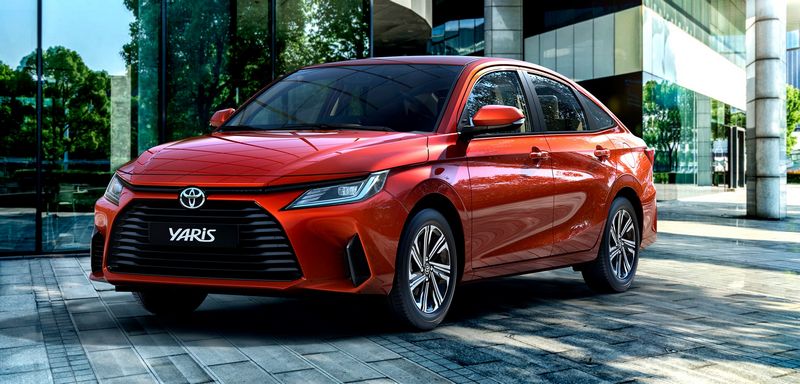
Finding the right car for daily commuting can make a significant difference in your budget, comfort, and overall driving experience. In 2026, advances in automotive technology have produced a range of fuel‑efficient vehicles that combine economy, reliability, and modern features. Whether you are navigating city traffic or driving on highways, choosing a fuel‑efficient car helps reduce fuel costs and environmental impact.
In this article, we will explore the best fuel efficient cars for daily commuting in 2026, highlighting their strengths, fuel economy features, and why they are ideal for everyday use.
Why Fuel Efficiency Matters for Daily Commuting
Daily commuting often involves stop‑and‑go traffic, short trips, and frequent acceleration and braking. This type of driving can significantly impact fuel consumption. Choosing a car with excellent fuel efficiency means spending less money at the pump and producing fewer emissions.
Key benefits of fuel‑efficient cars include:
- Lower fuel costs
- Reduced carbon footprint
- Better long‑term savings
- More budget available for other priorities
Fuel‑efficient cars also tend to have lighter designs, optimized engines, and advanced technology that improve overall performance.
Top Fuel Efficient Cars for 2026
Here are some of the most fuel‑efficient cars that are well‑suited for daily commuting in 2026:
1. Toyota Prius
The Toyota Prius remains one of the most recognized hybrid cars focused on high fuel economy. Its hybrid system delivers excellent mileage, particularly in city driving where electric motor assistance reduces fuel usage.
2. Honda Insight
The Honda Insight combines comfort with efficient hybrid technology. It achieves excellent fuel figures while offering a refined driving experience and a spacious cabin.
3. Hyundai Elantra Hybrid
The Hyundai Elantra Hybrid provides great fuel economy with a stylish design and advanced infotainment features. It is ideal for commuters who want comfort without sacrificing efficiency.
4. Mazda3
The Mazda3 offers a balance between performance and fuel economy. With improved engine technology, it provides strong mileage while maintaining driving fun and comfort.
5. Honda Civic (New Generation)
The latest Honda Civic models continue to deliver excellent fuel economy thanks to engine optimization and efficient design. The Civic remains popular among commuters for its reliability and practicality.
Features That Improve Fuel Efficiency
When choosing a fuel‑efficient car, there are several technologies and design elements that make a difference:
Hybrid or Electric Powertrains
Hybrid systems combine gasoline engines with electric motors to reduce fuel consumption, especially in city driving where electric mode can handle low‑speed traffic.
Mild‑Hybrid Systems
Mild‑hybrid technology assists the engine during acceleration and recovers energy during braking to improve overall efficiency without requiring full hybrid powertrains.
Aerodynamic Design
Cars with streamlined body shapes reduce air resistance, which helps improve highway fuel efficiency.
Efficient Transmission Systems
CVT (Continuously Variable Transmission) and advanced automatic transmissions optimize engine performance and reduce fuel waste.
Comparison of Fuel Efficiency
| Model | Type | Estimated MPG / Combined Fuel Economy |
|---|---|---|
| Toyota Prius | Hybrid | Very High |
| Honda Insight | Hybrid | Very High |
| Hyundai Elantra Hybrid | Hybrid | High |
| Mazda3 | Gasoline | Above Average |
| Honda Civic (2026) | Gasoline | Above Average |
This comparison shows how modern hybrids typically offer the highest fuel economy, while efficient gasoline cars still perform well for daily use.
Why These Cars Are Great for Commuting
Lower Fuel Costs
Fuel‑efficient vehicles reduce the frequency of refueling and lower monthly transportation expenses.
Comfort and Reliability
These models also offer comfortable interiors and reliable performance, making long daily drives less tiring.
Modern Safety Features
Most modern fuel‑efficient cars come equipped with advanced safety systems such as adaptive cruise control, lane‑keeping assist, and automatic emergency braking, which make commuting safer.
Smooth Driving Experience
Efficient cars often have refined engines and optimized transmissions that provide a smooth ride without frequent gear shifts or jolts.
How to Choose the Right Fuel‑Efficient Car
Selecting the best fuel‑efficient car for daily commuting depends on several factors:
Determine Your Driving Style
If most of your driving is in city traffic, a hybrid or mild‑hybrid car may be best. If you travel long highway distances, a gasoline vehicle with high highway efficiency could be ideal.
Consider Budget and Ownership Costs
Fuel efficiency is just one part of overall cost savings. Compare insurance, maintenance, and resale value when making a choice.
Test Drive Multiple Vehicles
A test drive helps you understand how the car feels on the road, including comfort, handling, and ease of parking.
Evaluate Cargo and Passenger Needs
Even efficient cars should meet your daily needs, including seating space, cargo room, and overall usability.
For drivers who live in cities with tight street parking and frequent stop‑and‑go traffic, resources like Best Small Cars for City Driving and Parking also offer useful guidance in choosing highly maneuverable and efficient vehicles.
Environmental Impact of Fuel‑Efficient Cars
Fuel‑efficient cars help reduce greenhouse gas emissions by consuming less fuel per mile. This not only benefits your wallet but also contributes to cleaner air and a lower environmental footprint. Hybrid systems that reduce gasoline usage are especially effective at lowering emissions in dense urban areas.
FAQs About Fuel Efficient Cars
1. What defines a fuel‑efficient car?
A fuel‑efficient car is one that uses less fuel to travel a given distance, often measured in miles per gallon (MPG). Hybrid and electric vehicles typically offer the best results.
2. Are hybrids better than traditional gasoline cars?
Hybrids generally provide better fuel economy, especially in city commuting, because they use electric power at low speeds and gasoline only when needed.
3. Do fuel‑efficient cars cost more?
Some fuel‑efficient models have higher initial prices, but lower fuel costs and potential tax incentives often balance the overall cost of ownership.
4. Is electric better than hybrid for commuting?
Electric cars offer zero fuel emissions but depend on charging infrastructure. Hybrids offer a balance by using both gasoline and electric power.
5. Does fuel efficiency affect performance?
Modern fuel‑efficient cars are designed to offer both good performance and economy, so you can enjoy responsive driving without sacrificing efficiency.
Conclusion
In 2026, drivers looking for the best fuel‑efficient cars for daily commuting have excellent choices across hybrid and gasoline‑powered vehicles. Whether you prioritize maximum fuel savings with a hybrid or a balanced everyday car with great mileage, options like the Toyota Prius, Honda Insight, Hyundai Elantra Hybrid, Mazda3, and Honda Civic offer something for every commuter.