
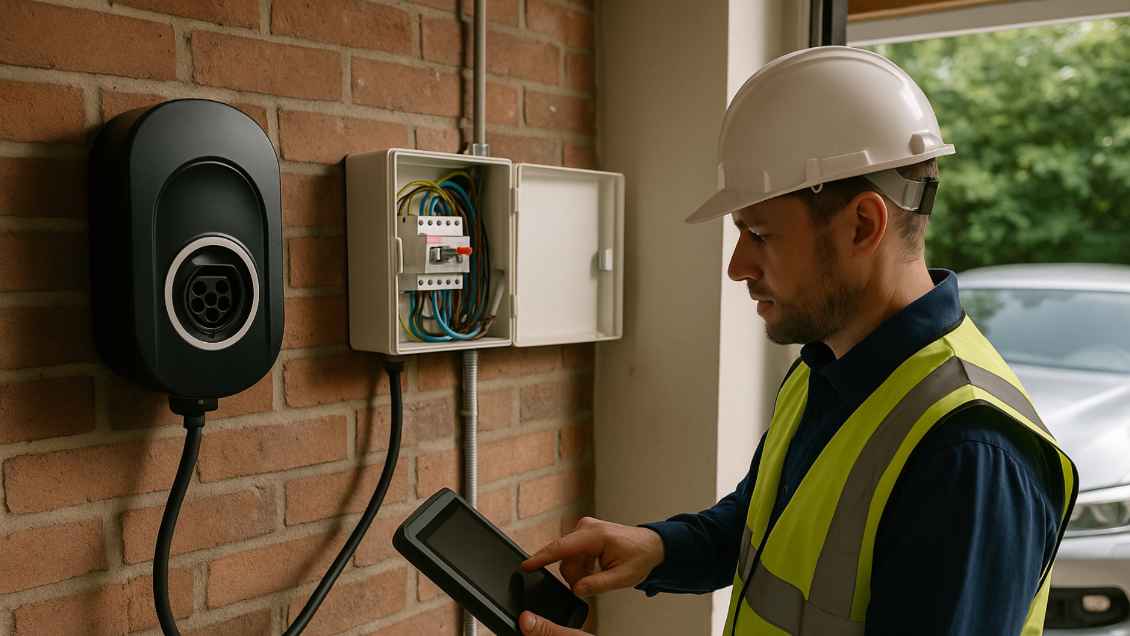
As electric vehicles (EVs) become more common, setting up a reliable home charging solution is one of the most important steps for owners. Charging at home is convenient, cost-effective, and ensures your vehicle is always ready to go. Whether you’re new to EVs or upgrading your setup, understanding the best home charging options will help you make the right choice.
Why Home Charging Matters
Home charging eliminates the need for frequent trips to public charging stations. It allows you to charge your vehicle overnight and take advantage of lower electricity rates during off-peak hours. For many EV owners, it becomes the primary method of charging.
Types of Home EV Chargers
1. Level 1 Charging (Standard Outlet)
Level 1 charging uses a regular household outlet (120V in some regions). Most EVs come with a basic charger that can plug directly into the wall.
Pros:
- No installation required
- Low upfront cost
Cons:
- Very slow charging speed
- Not ideal for daily long-distance drivers
This option works best for plug-in hybrids or drivers with minimal daily mileage.
2. Level 2 Charging (Fast Home Charging)
Level 2 chargers use a 240V outlet and significantly reduce charging time. They are the most popular home charging solution for EV owners.
Pros:
- Faster charging (typically 4–8 hours for a full charge)
- More efficient for daily use
Cons:
- Requires professional installation
- Higher upfront cost
Popular Level 2 chargers include models like Tesla Wall Connector, ChargePoint Home Flex, and JuiceBox 40.
3. Smart EV Chargers
Smart chargers connect to Wi-Fi and offer advanced features such as scheduling, energy monitoring, and mobile app control.
Benefits include:
- Tracking electricity usage
- Scheduling charging during off-peak hours
- Integration with smart home systems
These chargers are ideal for tech-savvy users looking to optimize efficiency and costs.
Key Features to Consider
Charging Speed
Measured in kilowatts (kW), higher power output means faster charging. Most home chargers range from 7 kW to 22 kW.
Compatibility
Ensure the charger is compatible with your EV model. Most modern EVs use universal connectors, but it’s still important to verify.
Installation Requirements
Level 2 chargers often require a dedicated circuit and professional installation, which can add to the overall cost.
Safety Features
Look for features like overcurrent protection, weather resistance, and automatic shutoff.
Installation Tips
- Hire a certified electrician for safe installation
- Install the charger close to your parking area
- Consider weatherproof units for outdoor setups
- Check local regulations and permits before installation
Cost Overview of Home Charging Setup
| Component | Estimated Cost Range |
|---|---|
| Level 1 Charger | Usually included with EV |
| Level 2 Charger | $400 – $1,200 |
| Installation | $300 – $2,000 |
| Monthly Electricity | $30 – $100 |
Costs vary depending on location, electricity rates, and usage patterns.
Benefits of Charging at Home
- Convenience of overnight charging
- Lower costs compared to public charging
- Increased battery lifespan with controlled charging
- Independence from charging station availability
When evaluating long-term expenses, many drivers also compare the Cost of Owning an Electric Car vs Petrol Car Yearly to better understand savings and efficiency.
Common Mistakes to Avoid
- Choosing a charger with insufficient power
- Ignoring installation requirements
- Not checking compatibility with your EV
- Overlooking smart features that can save money
Future Trends in Home EV Charging
Home charging technology continues to evolve with innovations such as:
- Bidirectional charging (vehicle-to-home power)
- Solar panel integration
- Faster and more efficient charging systems
These advancements will make EV ownership even more practical and sustainable.
Frequently Asked Questions (FAQs)
1. How long does it take to charge an EV at home?
It depends on the charger type. Level 1 can take over 24 hours, while Level 2 typically takes 4–8 hours.
2. Is it cheaper to charge an EV at home?
Yes, home charging is usually more affordable than public charging, especially during off-peak hours.
3. Do I need a special outlet for Level 2 charging?
Yes, a 240V outlet and professional installation are usually required.
4. Can I install an EV charger myself?
It’s not recommended. Hiring a certified electrician ensures safety and compliance with local codes.
5. Are smart chargers worth it?
Yes, they provide better control, efficiency, and long-term savings through energy management.
Conclusion
Choosing the best home charging solution for your electric vehicle depends on your driving habits, budget, and technical needs. While Level 1 charging may be sufficient for occasional use, most EV owners benefit from installing a Level 2 or smart charger for faster and more efficient charging.