
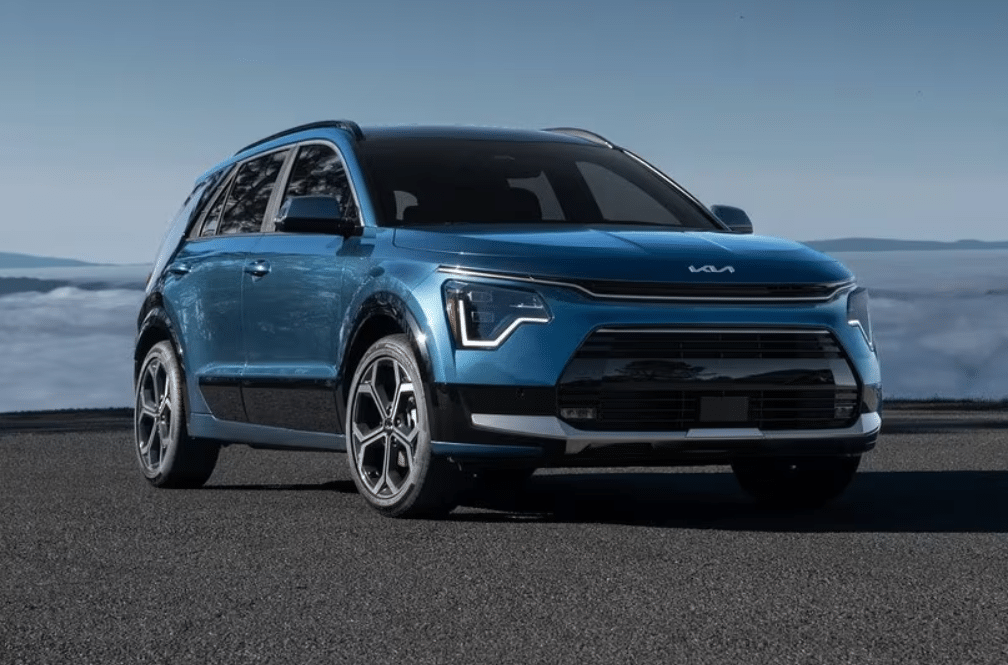
Hybrid cars are an excellent choice for drivers who want to reduce fuel consumption without switching completely to an electric vehicle. By combining a gasoline engine with one or more electric motors, hybrids can deliver impressive mileage while maintaining the convenience of traditional refueling.
The best hybrid cars for fuel economy include the Toyota Prius, Hyundai Elantra Hybrid, Kia Niro, Toyota Camry Hybrid, Hyundai Sonata Hybrid, Toyota Corolla Hybrid, and Honda Accord Hybrid. These vehicles cover everything from affordable compact sedans to comfortable midsize cars and practical crossovers.
For drivers who spend a lot of time in city traffic, hybrids can be particularly useful because their electric motors can help reduce gasoline use during low-speed driving and stop-and-go conditions.
What Makes a Hybrid Car Fuel Efficient?
Hybrid fuel economy depends on more than just the size of the engine. Several factors work together to determine how much fuel a vehicle uses.
Important considerations include:
-
Hybrid system: Different manufacturers use different hybrid technologies.
-
Vehicle weight: Lighter vehicles generally require less energy to move.
-
Aerodynamics: A streamlined body can improve efficiency, especially at higher speeds.
-
Driving conditions: City traffic can benefit hybrids, while highway mileage depends more heavily on vehicle design and speed.
-
Tire size: Larger wheels can sometimes reduce fuel economy.
-
Driving style: Smooth acceleration and braking can improve real-world efficiency.
-
Battery system: A well-designed hybrid system can recover energy during braking and use it to assist the engine.
Best Hybrid Cars for Fuel Economy
| Hybrid Car | Best For | Approx. Maximum Combined MPG* | Main Advantage |
|---|---|---|---|
| Toyota Prius | Maximum fuel economy | Up to 57 mpg | Excellent efficiency |
| Hyundai Elantra Hybrid | Affordable efficiency | Up to 54 mpg | Low fuel consumption |
| Kia Niro | Practical efficiency | Up to 53 mpg | SUV-like practicality |
| Toyota Camry Hybrid | Midsize comfort | Up to 51 mpg | Space and efficiency |
| Hyundai Sonata Hybrid | Highway driving | Up to 51 mpg | Strong highway economy |
| Toyota Corolla Hybrid | Budget-conscious buyers | Up to 50 mpg | Affordable efficiency |
| Honda Accord Hybrid | Comfort and efficiency | Up to 48 mpg | Spacious interior |
| Lexus ES Hybrid | Luxury efficiency | Up to 46 mpg | Premium comfort |
| Toyota RAV4 Hybrid | SUV practicality | Up to 43 mpg | Hybrid SUV versatility |
| Honda CR-V Hybrid | Family use | Up to 40 mpg | Space and efficiency |
*Fuel-economy figures can vary by model year, trim, drivetrain, wheels, and driving conditions.
1. Toyota Prius
The Toyota Prius remains one of the most recognizable hybrid vehicles and is designed primarily around efficiency.
Its aerodynamic body, hybrid powertrain, and relatively low energy consumption make it a strong choice for drivers who want to minimize gasoline use.
The Prius is also more practical than many traditional sedans because of its hatchback design. This provides useful flexibility when carrying groceries, luggage, or everyday equipment.
For commuters who drive significant distances every week, the Prius can be particularly appealing.
Its main compromise is that its styling and driving experience are different from those of a conventional sedan. Buyers should take a test drive to make sure the vehicle suits their preferences.
2. Hyundai Elantra Hybrid
The Hyundai Elantra Hybrid is a compact sedan that combines affordability with strong fuel economy.
Its smaller size makes it well suited to city driving, while the hybrid powertrain helps reduce fuel consumption during daily commuting.
The Elantra Hybrid can be especially attractive to drivers who want an efficient car without paying for a larger hybrid sedan or SUV.
Its compact dimensions also make parking and navigating crowded streets relatively easy.
For budget-conscious commuters, it offers a useful balance between purchase price, fuel economy, and everyday practicality.
3. Kia Niro
The Kia Niro occupies an interesting position between a compact car and a small SUV.
Its crossover-inspired design provides a higher seating position and useful cargo flexibility while maintaining excellent fuel economy.
The Niro can be a good choice for drivers who want hybrid efficiency but don’t want a traditional sedan.
Its practical shape makes it useful for grocery shopping, commuting, and weekend trips. It can also be easier to load than a conventional sedan.
For buyers who want efficiency combined with additional practicality, the Niro deserves attention.
4. Toyota Camry Hybrid
The Toyota Camry has moved into the hybrid-only category for its current generation, making its hybrid powertrain central to the model.
The Camry Hybrid combines strong fuel economy with the larger cabin of a midsize sedan. The most efficient versions can achieve around 51 mpg combined.
This makes it a useful choice for drivers who want fuel savings without moving into a small compact car.
The Camry also provides more passenger space than many fuel-efficient compact sedans, making it suitable for families and frequent highway travelers.
5. Hyundai Sonata Hybrid
The Hyundai Sonata Hybrid combines midsize-sedan comfort with strong fuel economy.
It is particularly interesting for drivers who spend a lot of time on highways because its efficient configuration can deliver excellent highway mileage.
The Sonata also provides a spacious cabin and comfortable seating, making it suitable for longer trips.
For commuters who want an efficient vehicle but don’t want a small car, the Sonata Hybrid can provide a good middle ground.
6. Toyota Corolla Hybrid
The Toyota Corolla Hybrid is aimed at buyers who want affordable transportation with excellent fuel economy.
Its compact dimensions make it ideal for urban environments, where easy parking and low fuel consumption can be especially valuable.
The Corolla Hybrid doesn’t provide the power or interior space of larger vehicles, but that is part of the reason it can be so efficient.
For a daily commuter who spends most of the time driving alone or with one passenger, it can be a practical choice.
7. Honda Accord Hybrid
The Honda Accord Hybrid combines fuel efficiency with the comfort and interior space of a midsize sedan.
Its hybrid powertrain provides strong mileage while retaining enough performance for everyday driving and highway travel.
One of the Accord’s biggest strengths is its spacious interior. It can be a better fit than a compact hybrid for families or drivers who frequently carry adult passengers.
The Accord is also appealing to drivers who want a more traditional sedan experience while still benefiting from hybrid technology.
8. Lexus ES Hybrid
Drivers who want fuel efficiency without giving up luxury can consider the Lexus ES Hybrid.
It provides a more premium interior, comfortable seating, and a quiet driving experience while maintaining respectable fuel economy.
The ES Hybrid is especially suited to buyers who spend a lot of time commuting or traveling long distances and want additional comfort.
However, its purchase price and ownership costs can be higher than those of mainstream hybrid sedans.
9. Toyota RAV4 Hybrid
The Toyota RAV4 Hybrid is an excellent example of how hybrid technology can be combined with SUV practicality.
It provides more cargo space and a higher seating position than most fuel-efficient sedans while still delivering strong fuel economy.
The RAV4 Hybrid can be a particularly useful choice for families, commuters, and drivers who need additional cargo flexibility.
It’s also a good option for buyers who want an SUV but don’t want the fuel consumption associated with many larger gasoline-powered SUVs.
10. Honda CR-V Hybrid
The Honda CR-V Hybrid combines a practical SUV body with an efficient hybrid powertrain.
Its spacious cabin and useful cargo area make it suitable for families and daily commuters. The elevated seating position can also make it easier for some drivers to enter and exit.
The CR-V Hybrid is a good choice for buyers who want efficiency but need more room than a compact hybrid sedan can provide.
Hybrid vs. Gasoline Car
The main advantage of a hybrid is improved fuel efficiency.
A conventional gasoline car relies entirely on its combustion engine, while a hybrid can use electric assistance to reduce the amount of fuel needed in certain situations.
Hybrids can be especially effective in stop-and-go traffic because regenerative braking can recover energy that would otherwise be lost as heat.
However, hybrid vehicles can have a higher purchase price than comparable gasoline models. Buyers should compare the additional upfront cost with their expected fuel savings.
Hybrid vs. Electric Car
A hybrid can be a useful middle ground between a gasoline vehicle and a fully electric car.
Unlike a battery-electric vehicle, a traditional hybrid doesn’t need to be plugged in. It can be refueled at a normal gas station and generally provides the convenience of a conventional car.
An EV can eliminate gasoline use entirely, but it requires access to charging infrastructure.
For drivers who frequently travel long distances or live in areas with limited charging options, a hybrid can provide additional flexibility.
Are Hybrids Better for City Driving?
Hybrids can be particularly efficient in urban environments.
Frequent stops and starts allow the hybrid system to recover energy through regenerative braking. The electric motor can also assist the gasoline engine during low-speed driving.
This makes hybrids especially attractive for commuters who spend significant time in traffic.
Highway drivers can also benefit from hybrid technology, although the efficiency advantage may vary depending on the vehicle and driving conditions.
How to Get Better Fuel Economy From a Hybrid
Buying an efficient hybrid is only the first step. Your driving habits can also affect fuel consumption.
To maximize efficiency:
-
Accelerate smoothly.
-
Avoid unnecessary hard braking.
-
Maintain recommended tire pressure.
-
Keep the vehicle properly maintained.
-
Avoid carrying unnecessary weight.
-
Use climate control efficiently.
-
Plan routes to avoid excessive stop-and-go traffic when possible.
-
Follow the manufacturer’s maintenance schedule.
Small changes in driving behavior can make a noticeable difference over time.
Are Hybrid Cars Expensive to Maintain?
Hybrid maintenance can be similar to conventional vehicles in many areas, although hybrid-specific components require specialized knowledge.
Hybrid systems can reduce wear on certain components, while regenerative braking can reduce the amount of work performed by conventional friction brakes.
However, hybrid battery systems and other specialized components can be expensive if they eventually require replacement.
When buying a used hybrid, check the service history and overall battery condition.
Should You Buy a Hybrid for Fuel Economy?
A hybrid can make a lot of sense if fuel economy is one of your top priorities.
Drivers who cover many miles every year can potentially save more on fuel, particularly when choosing a highly efficient model.
However, don’t look at fuel economy alone. Compare the purchase price, insurance, maintenance, expected ownership period, and your typical driving conditions.
A slightly less efficient hybrid that better fits your lifestyle may provide more overall value than the most fuel-efficient model.
Final Thoughts
The best hybrid cars for fuel economy offer an excellent combination of gasoline convenience and electric efficiency.
The Toyota Prius remains a standout choice for drivers who want maximum efficiency, while the Hyundai Elantra Hybrid and Toyota Corolla Hybrid offer compact and affordable alternatives. The Kia Niro provides additional practicality, while the Toyota Camry Hybrid and Hyundai Sonata Hybrid give buyers more interior space without sacrificing strong fuel economy.
The Honda Accord Hybrid is another attractive option for drivers who want a comfortable midsize sedan, while the Lexus ES Hybrid provides a more luxurious experience.
SUV buyers can consider the Toyota RAV4 Hybrid and Honda CR-V Hybrid for a combination of cargo space, passenger room, and improved fuel efficiency.
Before purchasing, consider how many miles you drive, where you drive, your fuel costs, and how long you plan to keep the vehicle. The right hybrid can reduce fuel expenses while still providing the comfort and convenience of a traditional gasoline-powered car.
FAQs About Hybrid Cars and Fuel Economy
What is the most fuel-efficient hybrid car?
The Toyota Prius is among the most fuel-efficient conventional hybrid cars available, with certain configurations offering around 57 mpg combined.
Are hybrid cars good for daily driving?
Yes. Hybrids are particularly well suited to daily commuting because they can provide excellent fuel economy while retaining the convenience of gasoline refueling.
Which hybrid car gets the best mileage?
The most efficient model depends on the model year and configuration, but the Toyota Prius is consistently among the leaders for fuel economy.
Are hybrid cars worth it for city driving?
They can be. Hybrid systems can work especially well in stop-and-go traffic because regenerative braking and electric assistance can reduce gasoline consumption.
Do hybrid cars need to be plugged in?
Traditional hybrids do not need to be plugged in. Their batteries are charged through regenerative braking and the gasoline engine. Plug-in hybrids are different because they can also be charged using an external power source.
Is a hybrid better than an electric car?
It depends on your needs. A hybrid offers gasoline convenience and improved fuel economy, while a fully electric vehicle can eliminate gasoline use but requires access to charging.
Are hybrid cars reliable?
Many modern hybrids are designed for long-term use, but reliability varies by model, year, maintenance, and individual vehicle condition. A used hybrid should be inspected carefully before purchase.
Do hybrids save money on fuel?
They can significantly reduce fuel consumption compared with similar gasoline-only vehicles. The amount you save depends on your annual mileage, fuel prices, driving conditions, and the vehicle’s actual fuel economy.
Which hybrid is best for families?
The Toyota Camry Hybrid, Honda Accord Hybrid, Toyota RAV4 Hybrid, and Honda CR-V Hybrid can all work for families, depending on how much passenger and cargo space is needed.
Is a hybrid worth buying if I mostly drive on highways?
A hybrid can still be useful for highway driving, but the fuel-economy advantage may be smaller than it is in city traffic. Compare the vehicle’s highway efficiency with your actual driving habits before buying.