
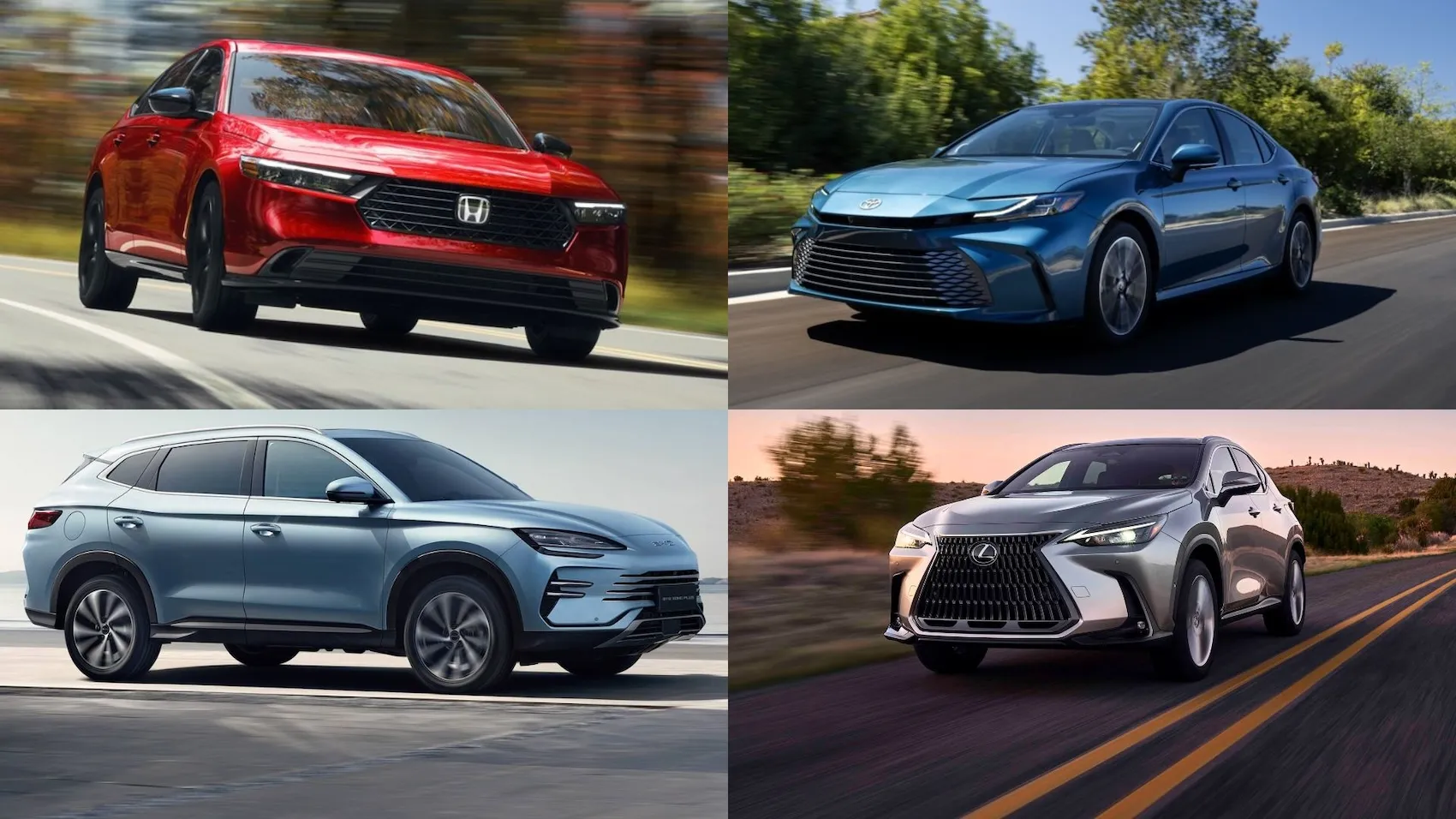
Hybrid cars have become increasingly popular for drivers looking to save on fuel costs while reducing their environmental footprint. They combine traditional gasoline engines with electric motors to maximize efficiency, making them ideal for city driving and long commutes. Beyond fuel savings, hybrid cars are also known for their reliability, low maintenance, and advanced safety features.
In this guide, we’ll explore the best hybrid cars for fuel savings and reliability, including tips on choosing the right model, a comparison table, and answers to common questions.
Why Choose a Hybrid Car?
Hybrid cars offer a unique blend of benefits:
- Fuel Efficiency: Electric motors assist the gasoline engine, lowering fuel consumption.
- Reduced Emissions: Hybrids emit fewer greenhouse gases compared to conventional vehicles.
- Reliability: Many hybrid models are built to last, with durable engines and components.
- Cost Savings: Less fuel usage and potential tax incentives reduce overall expenses.
- Advanced Technology: Features like regenerative braking and eco-driving modes improve efficiency.
Top Hybrid Cars for Fuel Savings and Reliability
1. Toyota Prius
The Toyota Prius is the most recognized hybrid vehicle globally, known for its excellent fuel efficiency and reliability.
Key Features:
- Fuel Economy: Up to 56 MPG
- Engine: 1.8L 4-cylinder with electric motor
- Safety: Toyota Safety Sense™ suite
- Reliability: High, with low maintenance costs
Why It’s Great: Perfect for drivers seeking a proven hybrid with decades of reliability history.
2. Honda Insight
The Honda Insight offers a comfortable ride and impressive fuel savings without compromising on style.
Key Features:
- Fuel Economy: Up to 55 MPG
- Engine: 1.5L 4-cylinder with electric motor
- Interior: Spacious with modern infotainment system
- Reliability: Excellent, backed by Honda’s reputation
Why It’s Great: Ideal for commuters who want a sleek, efficient, and reliable hybrid sedan.
3. Toyota Corolla Hybrid
A hybrid version of the popular Corolla, this car combines reliability with modern hybrid technology.
Key Features:
- Fuel Economy: Up to 52 MPG
- Engine: 1.8L 4-cylinder with hybrid system
- Safety: Standard Toyota Safety Sense™
- Reliability: Very high, consistent with Corolla’s reputation
Why It’s Great: Combines fuel efficiency and everyday practicality at an affordable price point.
4. Hyundai Ioniq Hybrid
The Hyundai Ioniq is one of the most fuel-efficient hybrids on the market, with a modern design and comfortable cabin.
Key Features:
- Fuel Economy: Up to 59 MPG
- Engine: 1.6L 4-cylinder with electric motor
- Interior: Tech-focused with smart infotainment
- Reliability: Above average, backed by Hyundai’s warranty
Why It’s Great: Great for tech-savvy drivers seeking maximum fuel savings.
5. Lexus ES 300h
For those looking for a luxury hybrid option, the Lexus ES 300h combines fuel efficiency with premium comfort.
Key Features:
- Fuel Economy: Up to 44 MPG
- Engine: 2.5L 4-cylinder with hybrid system
- Luxury Features: High-end interior, advanced safety features
- Reliability: High, consistent with Lexus reputation
Why It’s Great: A luxury hybrid that doesn’t compromise on reliability or efficiency.
Comparison Table of Best Hybrid Cars
| Model | MPG (City/Highway) | Engine Type | Reliability Rating | Price Range (USD) |
|---|---|---|---|---|
| Toyota Prius | 54/50 | 1.8L 4-cylinder + electric | Excellent | 27,000–32,000 |
| Honda Insight | 55/49 | 1.5L 4-cylinder + electric | Excellent | 25,000–30,000 |
| Toyota Corolla Hybrid | 53/52 | 1.8L 4-cylinder + electric | Very High | 24,000–28,000 |
| Hyundai Ioniq Hybrid | 58/60 | 1.6L 4-cylinder + electric | Above Average | 24,500–29,500 |
| Lexus ES 300h | 44/44 | 2.5L 4-cylinder + electric | High | 45,000–55,000 |
Tips for Buying a Hybrid Car
- Assess Your Driving Needs: Consider daily commute, city vs. highway driving, and cargo space requirements.
- Check Reliability Records: Look at consumer reviews, maintenance costs, and manufacturer warranties.
- Evaluate Fuel Savings: Compare MPG ratings and potential cost savings over time.
- Consider Total Ownership Costs: Factor in insurance, maintenance, and potential tax incentives.
- Financing Options: If you’re concerned about budget, research programs such as How to Finance a Car with a Low Credit Score to make hybrid ownership more accessible.
Common Mistakes to Avoid
- Choosing a hybrid based solely on brand reputation without checking MPG ratings.
- Ignoring maintenance requirements for battery and hybrid components.
- Overlooking interior space and comfort for daily use.
- Skipping test drives to evaluate performance and handling.
FAQs
Are hybrid cars reliable long-term?
Yes, most hybrid cars, especially models from Toyota and Honda, have excellent long-term reliability with proper maintenance.
Do hybrids save money on fuel?
Absolutely. Hybrids typically achieve 40–60 MPG, which significantly reduces fuel costs compared to conventional cars.
Are hybrid batteries expensive to replace?
Modern hybrid batteries can last 8–10 years or more, and replacements are often covered by warranties during that period.
Can I use a hybrid for long road trips?
Yes, hybrids perform well on highways and can provide both efficiency and comfort for long journeys.
Are hybrid cars more expensive upfront?
They may have a higher initial cost, but fuel savings, tax incentives, and reliability can offset the price over time.
Conclusion
Hybrid cars are an excellent choice for drivers seeking both fuel savings and reliability. Models like the Toyota Prius, Honda Insight, and Hyundai Ioniq offer exceptional efficiency, while options like the Lexus ES 300h provide a luxury experience without compromising performance.
By considering your driving needs, researching reliability, and exploring financing options, you can choose a hybrid that saves money, reduces emissions, and provides long-lasting performance.