
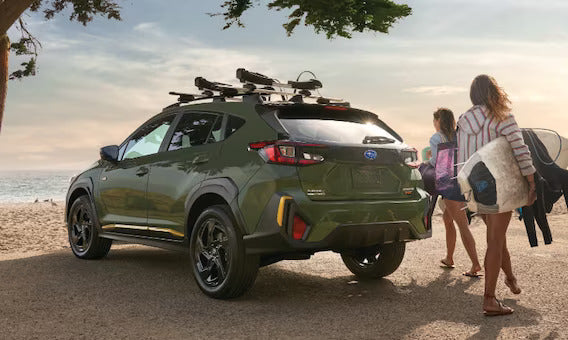
If you love exploring backcountry trails, pitching a tent under the stars, or taking long weekend trips into the wilderness, a capable SUV is one of the most important pieces of gear you can own. Off-road ready SUVs offer rugged performance, elevated ground clearance, durable drivetrain systems, and enough cargo space for camping gear — all designed to handle dirt, mud, sand, and rough terrain with confidence.
In this guide, we’ll break down the best SUVs for off road driving and camping, compare their strengths, and answer common questions to help you make an informed choice.
This overview is especially useful if you’re expanding beyond daily driving vehicles like All Wheel Drive Cars for Snowy Conditions and want something geared specifically toward adventure and exploration.
What to Look for in an Off-Road & Camping SUV
Choosing the right SUV for off-road driving and camping depends on several key factors:
1. Drivetrain & Traction
Vehicles with true four-wheel drive (4WD) and low-range gearing deliver the best traction and torque on steep, uneven, or slippery terrain. Some AWD systems work well on light trails but 4WD systems are often preferable for tougher routes.
2. Ground Clearance
Higher ground clearance helps prevent damage from rocks, ruts, and uneven surfaces, and it’s critical when venturing off established roads.
3. Cargo & Towing Capacity
Camping gear, rooftop tents, bikes, kayaks, and trailers all require space and strength. Vehicles with generous cargo space and solid towing capacity give you more flexibility.
4. Suspension & Off-Road Features
Look for off-road-tuned suspension, skid plates, locking differentials, and terrain-management systems that optimize traction for specific conditions like sand, mud, or rocks.
5. Reliability & Support
Adventure vehicles should be dependable. A strong network of dealerships and availability of parts is a bonus if you plan long trips.
Top SUVs for Off Road Driving and Camping
Here are some of the best options based on capability, versatility, and outdoor readiness:
Jeep Wrangler
The Jeep Wrangler remains one of the most iconic off-road vehicles. Its boxy shape, solid axles, removable tops, and legendary 4×4 systems (including Rubicon variants) make it great for overland trails and rough terrain.
Why It’s Great:
-
True 4WD with low-range gearing
-
Excellent aftermarket support
-
High approach and departure angles
-
Ideal for rock crawling and tough trails
-
Strong camper conversions available
Best For: Hardcore off-roaders and weekend explorers.
Toyota 4Runner TRD Pro
The Toyota 4Runner has earned a loyal following thanks to its rugged 4WD system, high ground clearance, and reliable durability. TRD Pro models add enhanced off-road hardware like tuned suspension, skid plates, and all-terrain tires.
Why It’s Great:
-
Durable body-on-frame design
-
Good cargo space for gear
-
Excellent reliability record
-
Built-in off-road enhancements
Best For: Long-distance overland camping and family adventures.
Ford Bronco
The Ford Bronco modernized the classic off-road SUV with strong capability and versatile terrain systems. Trims like the Bronco Badlands and Raptor deliver serious off-road performance with advanced suspension, high ground clearance, and optional accessories for camping kits.
Why It’s Great:
-
Purpose-built off-road variants
-
Excellent suspension travel
-
Terrain modes for different surfaces
-
Good accessory ecosystem
Best For: Off-road enthusiasts who want modern tech and capability.
Subaru Outback Wilderness
The Subaru Outback Wilderness blends rugged attitude with everyday usability. While technically a crossover, its increased ground clearance, terrain-focused AWD system, and durable suspension make it quite capable on trails that don’t require extreme fortitude.
Why It’s Great:
-
Elevated ground clearance and AWD tuning
-
Practical cargo space and camping-friendly interior
-
Efficient and comfortable for long drives
Best For: Adventurers who want a capable but more comfortable off-road cruiser.
Chevy Tahoe Z71
If you want serious off-road ability with lots of space (especially for group camping), the Chevy Tahoe Z71 delivers. It combines rugged off-road hardware with a large interior and towing capacity for trailers or heavy gear.
Why It’s Great:
-
Large cargo/towing capability
-
Off-road tuned suspension and terrain control
-
Comfortable for long hauls
Best For: Family camping trips or when you need extra cargo or passengers.
Comparison Table: Best SUVs for Off Road Driving and Camping
| SUV Model | Drivetrain Type | Ground Clearance | Cargo Space | Towing Capacity | Best Use Case |
|---|---|---|---|---|---|
| Jeep Wrangler | 4WD | Very High | Moderate | ~3,500 lbs | Tough trails, rock crawling |
| Toyota 4Runner TRD Pro | 4WD | High | Large | ~5,000 lbs | Overland camping, rough trails |
| Ford Bronco Badlands | 4WD | Very High | Large | ~3,500 lbs | Dynamic off-road exploration |
| Subaru Outback Wilderness | AWD | Medium-High | Ample | ~3,500 lbs | Light to moderate off-road camping |
| Chevy Tahoe Z71 | 4WD | High | Very Large | ~8,600 lbs | Group camping & heavy towing |
Tips for Using Off-Road SUVs for Camping
Owning a capable SUV is just the start. To get the most out of off-road camping trips:
-
Invest in quality tires: All-terrain or mud-terrain tires improve grip off paved roads.
-
Pack smart gear: Roof racks, drawers, and rooftop tents make camping easier.
-
Check Recovery Tools: Carry recovery straps, a shovel, traction boards, and a first-aid kit.
-
Know your route: Plan trails and weather ahead to avoid unexpected challenges.
-
Teach safe driving: Practice off-road techniques like maintaining momentum, throttle control, and safe descent techniques.
Frequently Asked Questions (FAQs)
1. What makes an SUV good for off-road driving?
A strong drivetrain (4WD), high ground clearance, rugged suspension, skid plates, and good traction control are all essential for handling rough trails and uneven terrain.
2. Is AWD enough for off-road camping?
All-wheel drive systems can handle light trails and dirt roads but are usually not as capable as true 4WD systems with low-range gearing for challenging terrain or deep mud.
3. Do I need special tires for off-roading?
Yes. All-terrain or mud-terrain tires provide better grip and durability than standard street tires when off-pavement driving.
4. Can these SUVs be used for daily driving?
Many of them balance off-road ruggedness with everyday usability — especially models like the Subaru Outback Wilderness and Toyota 4Runner.
5. What about fuel economy?
Off-road capable SUVs often prioritize capability over fuel efficiency, so expect lower mpg compared with urban crossovers or cars.
6. Should I get a new or used SUV for off-road camping?
Both have advantages. New models offer the latest tech and warranties, while used vehicles can deliver excellent value if well maintained.
Final Thoughts
The best SUVs for off road driving and camping combine rugged capability with practical features for long journeys and outdoor adventures. Whether you want an iconic off-road legend like the Jeep Wrangler, a balanced explorer like the Subaru Outback Wilderness, or a capacity-rich SUV like the Chevy Tahoe Z71, there’s an option to match your needs.