

Losing a loved one is one of life’s most challenging experiences. As families seek meaningful ways to honor and remember those who have passed, many are turning to alternative funeral options that reflect personal values and create lasting tributes. One increasingly popular choice is choosing burial at sea, which offers a peaceful and dignified way to say goodbye. This comprehensive guide explores everything you need to know about burial at sea in Southern California, including the process, regulations, costs, and what to expect during this meaningful ceremony.
Understanding Burial at Sea Southern California
Burial at sea in southern california is a respectful and environmentally conscious way to return a loved one’s remains to the ocean. In Southern California, this practice has become increasingly popular among families who value ocean conservation, maritime heritage, or simply prefer a more intimate and natural farewell. Unlike traditional cemetery burials, burial at sea eliminates the need for land maintenance and offers a peaceful final resting place in the vast Pacific Ocean. The ceremony typically takes place on a chartered vessel, with family and friends gathering to pay their respects, share memories, and release the ashes or casket into the sea. Many people choose this option because it provides a sense of spiritual connection to nature while honoring their loved one in a meaningful and personalized way. The process is regulated by federal laws to ensure environmental protection and proper handling of human remains, making it a safe and dignified choice for families seeking alternatives to conventional funeral arrangements.
 What is Burial at Sea Southern California?
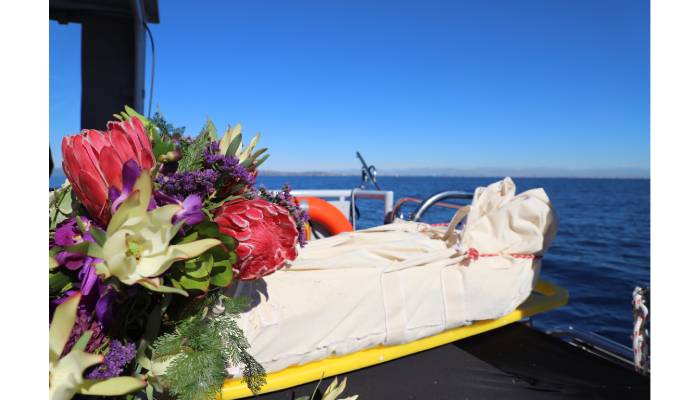 What is Burial at Sea Southern California?
Burial at sea involves the commitment of human ashes, cremated remains, or sometimes the whole casket or body into the ocean. In California, federal regulations govern this practice under the Clean Water Act and Marine Protection, Research, and Sanctuaries Act. The ceremony offers families a choice between ash scattering or casket burial. Many opt for our comprehensive full-body burials at sea
service which provides professional guidance and vessel arrangements for a respectful ocean ceremony. This approach gives families the opportunity to participate in all aspects of the service, from selecting the location to personally releasing their loved one’s remains. The natural ocean environment serves as a beautiful and eternal memorial, allowing families to revisit the site as a way to remember and celebrate their loved one’s life.
Legal Requirements and Federal Regulations
Before conducting a burial at sea, families must understand the legal framework governing this practice in Southern California. The U.S. Environmental Protection Agency (EPA) and the National Oceanic and Atmospheric Administration (NOAA) regulate ocean burials under the Marine Protection, Research, and Sanctuaries Act. Permits are required for the committal of human remains to the ocean, and specific locations are designated for this purpose. The burial site must be at least three nautical miles from shore in water deeper than 600 feet. Additionally, documentation of the deceased’s identity must be provided, and a death certificate is required. A licensed funeral director or authorized vessel operator must oversee the ceremony to ensure all federal requirements are met. These regulations exist to protect marine ecosystems and ensure dignified treatment of the deceased. Families should work with experienced funeral service providers who are familiar with all compliance requirements and can guide them through the permit process seamlessly.
The Burial at Sea Ceremony Process
Understanding the ceremony process helps families prepare emotionally and logistically for this important event. The journey typically begins with consultation with a funeral director who specializes in ocean burials. During this meeting, families discuss their preferences regarding the type of ceremony, number of participants, and the specific location for the burial. The funeral home arranges all necessary permits and coordinates with the designated vessel operator. On the day of the ceremony, the vessel departs from a coastal port and travels to the designated burial location. Once at sea, family members gather on deck for a meaningful service that may include readings, music, prayers, or personal memories shared about the deceased. The actual committal of remains is handled with utmost dignity and respect, often with family members participating directly. After the ceremony, many families appreciate receiving documentation of the exact coordinates where their loved one was laid to rest, creating a special place to remember and honor them.
Costs and Financial Considerations
Understanding the financial aspects of burial at sea is important for family planning. The cost of an ocean burial typically ranges from three thousand to ten thousand dollars, depending on various factors. These include the vessel rental, the duration of the service, the number of guests accommodated, and the distance traveled from port to the designated burial location. Some families choose simpler, more economical ceremonies with fewer participants, while others prefer comprehensive services with larger vessels and extended time at sea. Pre-planning with a funeral director helps families understand all associated costs upfront, including permit fees, death certificate processing, and any additional services requested. Many insurance policies and pre-arranged funeral plans can help offset these expenses, providing financial peace of mind during a difficult time. It’s advisable to obtain multiple quotes from different funeral service providers to compare pricing and services, ensuring families make informed decisions that align with their budget and preferences.
Environmental Benefits and Sustainability
One significant advantage of choosing burial at sea over traditional cemetery burial is its environmental sustainability. Unlike land burials, which require ongoing cemetery maintenance, landscaping, and resource consumption, ocean burials have minimal environmental impact. The practice allows families to choose an environmentally conscious option that supports ocean conservation and natural marine ecosystems. For families who are passionate about environmental stewardship and preserving natural resources, burial at sea represents an ideal way to honor their loved ones while protecting the planet for future generations. Many funeral homes emphasize the eco-friendly nature of ocean burials as a compelling reason to choose this alternative. Additionally, cremation followed by sea scattering eliminates the need for burial vaults, embalming chemicals, and other materials that traditional burials require. This sustainable approach appeals to environmentally conscious families seeking meaningful ways to honor their loved ones in harmony with nature.
Conclusion
Burial at sea in Southern California offers families a unique, meaningful, and environmentally responsible way to honor their loved ones. From understanding the legal requirements to planning the ceremony and managing the financial aspects, families have all the information they need to make informed decisions. Whether motivated by environmental concerns, personal preferences, or a desire for a more intimate farewell, burial at sea provides a beautiful alternative to traditional funeral arrangements. By working with experienced and licensed funeral professionals, families can ensure that the ceremony reflects their values and provides the meaningful tribute their loved one deserves. As families navigate the journey of grief and remembrance, choosing an ocean burial at sea becomes a powerful statement of love, respect, and commitment to preserving both memories and the natural world for generations to come.