
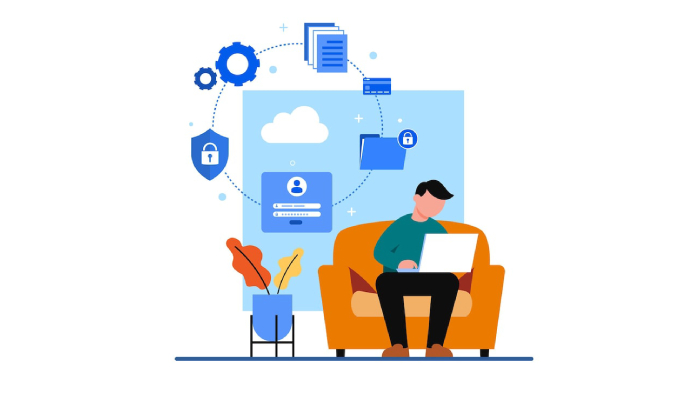
Proctored exams are designed to maintain academic integrity by monitoring students during assessments. However, some have turned to creative, yet risky methods to cheat. From referring to hidden notes off-camera to collaborating with friends through secondary devices, the temptation can be strong. Yet, the consequences of getting caught are severe; penalties can include failing grades or even expulsion from school, leaving a lasting mark on a student’s record. With advanced proctoring technologies continuing to develop, including detection software and multi-factor authentication, cheating is increasingly difficult and dangerous. It serves as a reminder that honesty ultimately prevails in education’s long-term value.
1. What Are Proctored Exams?
Remote Proctoring test exams are designed to ensure that students are evaluated fairly and honestly. These assessments are monitored by either a human proctor or automated software, which helps maintain academic integrity during the testing process. In a remote setting, students typically need a stable internet connection, a webcam, and a microphone to participate effectively. Proctoring software can track eye movements, detect background noise, and analyze screen activity to identify any suspicious behavior. Before an exam begins, students may be asked to show their surroundings with their webcam to confirm that no unauthorized materials are present. Additionally, some platforms require identity verification through photo or biometric methods to ensure that the right person is taking the exam. Proctored exams come in various formats, including multiple choice, essays, and practical assessments, and have become increasingly popular in online education, especially during the pandemic. The primary aim is to create a level playing field for all students, regardless of their location, and institutions often provide guidelines on acceptable behaviors and technologies beforehand to prevent any confusion.
2. How Do Students Cheat on Remote Tests?
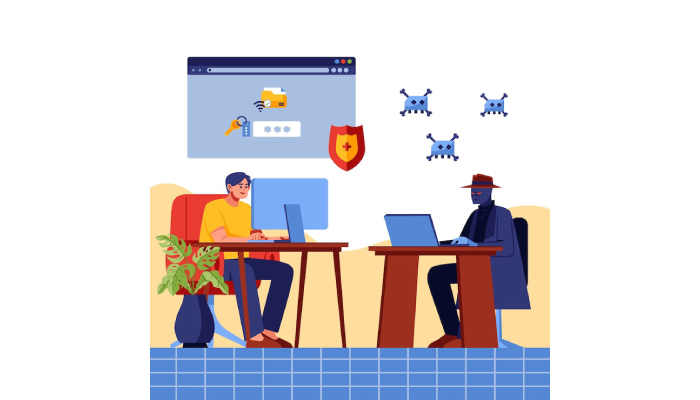
Some students try to outsmart remote proctoring by using hidden notes or textbooks that remain out of the camera’s view. This method requires a bit of creativity, as proctoring software often detects unusual movements that might indicate cheating. Others might connect with friends or tutors during the test, using a separate device to receive answers in real-time. This tactic can be risky, but it’s a common choice among those looking to gain an edge.
Additionally, some students resort to using Bluetooth devices or earpieces to discreetly receive answers while appearing focused on their screens. This method can be hard to detect, but not impossible, as proctoring systems are becoming more sophisticated in identifying unauthorized devices.
Screen sharing applications like Zoom or TeamViewer can be misused to let someone else view the test and provide answers remotely. For tech-savvy students, creating virtual machines allows them to run programs that assist with answering questions without raising red flags.
Moreover, students often attempt to use incognito browsing modes to search for answers without being tracked by proctoring software. This can give the illusion of a clean browsing history while they hunt for quick solutions. Chatbots and AI tools have also emerged as handy resources, providing instant answers through messaging apps, making it easier for students to cheat.
Wearable tech, like smartwatches, can facilitate communication with accomplices during the exam, enabling a stealthy exchange of information. Some students even take unauthorized breaks, hoping to sneak a peek at notes or textbooks hidden away. In more extreme cases, scripted software can automate answers or bypass security measures, highlighting the lengths some students will go to preserve their grades.
3. The Risks of Cheating on Exams
Cheating on exams can lead to serious consequences that many students underestimate. The immediate aftermath often includes failing the exam, receiving a zero, or possibly facing expulsion from the institution. But the repercussions extend far beyond that. A record of cheating can haunt students for years, impacting their chances of getting into future schools or securing jobs. When trust is broken, it affects relationships with educators and peers, eroding the academic reputation that students work so hard to build.
Moreover, engaging in dishonest behavior can create a slippery slope, leading to further unethical decisions in both academic and professional settings. Cheating compromises the very essence of education; it undermines the value of the knowledge acquired and makes the entire learning experience less meaningful.
Institutions often respond to cheating with strict disciplinary actions, fostering a culture of fear rather than one that promotes learning and growth. This not only damages individual student careers but can also tarnish the institution’s reputation, making it less appealing to prospective students. In a community where integrity is paramount, cheating creates a divide, leaving honest students feeling discouraged and frustrated compared to their dishonest peers.
The long-term consequences can be dire as well, potentially leading to a decrease in self-esteem and a lack of confidence in one’s own abilities. Ultimately, the act of cheating not only affects the cheater but also disrupts the educational environment as a whole.
4. How Are Cheating Methods Detected?
Proctoring software is designed to maintain the integrity of exams, employing sophisticated algorithms to analyze behavior patterns and detect any anomalies. For instance, when students shift their gaze away from the screen frequently, it may indicate they are looking at unauthorized materials. The constant monitoring of audio and video feeds allows the software to catch background noises or off-screen movements, which can signal that a student is attempting to cheat.
Multi-factor authentication adds another layer of security, verifying the identity of the test-taker and significantly reducing impersonation risks. To further enhance surveillance, dual-camera setups are often used, providing a broader view of the testing environment and eliminating blind spots where cheating might occur.
Proctoring tools also actively block access to specific websites or applications, preventing students from searching for answers during the exam. Regular updates to proctoring technology ensure that new cheating methods are swiftly addressed, making it increasingly difficult for students to exploit loopholes.
Some systems analyze answer patterns for anomalies that may suggest collaboration or cheating. Artificial intelligence plays a crucial role here by analyzing facial expressions and eye movements to gauge student focus and honesty during the test. If suspicious behavior is detected, human proctors can step in to provide a personal layer of oversight. After the exam, detailed reports highlight any potential breaches, giving educators valuable insights into the testing process.
- Proctoring software uses algorithms to analyze behavior patterns and detect anomalies during the exam.
- Monitoring of audio and video feeds helps identify background noises or off-screen movements that may signal cheating.
- Multi-factor authentication can verify the identity of the test-taker and reduce impersonation risks.
- Using dual-camera setups enhances monitoring by providing a wider view of the testing environment.
- Proctoring tools can block access to certain websites or applications to prevent searching for answers during the exam.
- Regular updates and improvements to proctoring technology enhance the detection of new cheating methods.
- Some systems monitor for unusual patterns in answer selections that may indicate collaboration or cheating.
- Artificial intelligence can analyze facial expressions and eye movements, providing insights into student focus and honesty.
- Human proctors can step in if they notice suspicious behavior on the video feed, providing a personal layer of oversight.
- Reports generated post-exam can highlight any potential breaches detected during the testing period.
5. Future of Remote Proctoring Technologies
The future of remote proctoring technologies holds exciting possibilities, driven by rapid advancements in artificial intelligence and machine learning. These innovations promise to enhance the accuracy of cheating detection in online exams. For instance, machine learning algorithms can learn from new cheating methods as they arise, making proctoring systems more adaptive and resilient. Additionally, biometric data such as facial recognition and fingerprint scanning may soon play a vital role in ensuring exam integrity with enhanced security measures.
As concerns about privacy grow, we can expect a push for more transparent proctoring policies that respect student rights while maintaining security. This balance will be essential as educational institutions seek to protect academic integrity without infringing on personal freedoms. Furthermore, the integration of virtual reality could create immersive testing environments, offering both a secure and engaging way for students to demonstrate their knowledge.
Collaboration between tech companies and educational institutions will drive innovation, leading to customizable proctoring solutions that allow institutions to tailor security measures to their specific needs. Continuous feedback from users will also be key in shaping user-friendly interfaces, making the testing experience smoother and less intimidating.
As remote learning becomes mainstream, the evolution of proctoring technologies must accommodate diverse learner needs. The future will hinge on finding the right balance between effective monitoring and maintaining a supportive testing environment, ensuring that the integrity of assessments is upheld while fostering a positive experience for all students.