
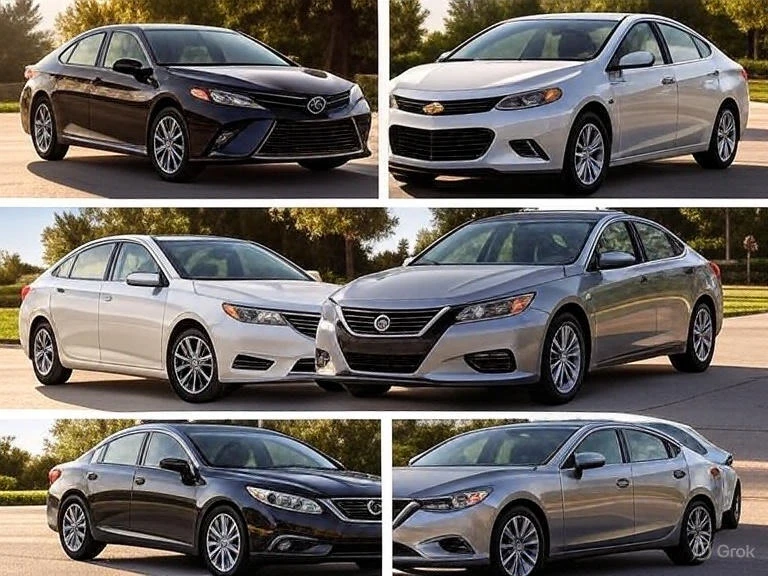
Long-distance highway driving demands more from a car than daily city commuting. Comfort, fuel efficiency, engine reliability, safety features, and driving stability all play a critical role when spending hours on the road. Whether for business travel, road trips, or frequent intercity commuting, choosing the right car can significantly improve driving comfort and reduce fatigue.
This article explores the key features that make a car ideal for long-distance highway driving and highlights the types of vehicles best suited for extended journeys.
What Makes a Car Ideal for Long Highway Drives?
Highway driving typically involves sustained speeds, long hours behind the wheel, and varying road conditions. Cars suited for this purpose must strike a balance between performance, comfort, and efficiency.
Key factors include:
-
Smooth and stable ride quality
-
Fuel efficiency at cruising speeds
-
Supportive seating and cabin comfort
-
Reliable engine performance
-
Advanced safety and driver-assistance features
A well-designed highway car allows drivers to arrive at their destination relaxed rather than exhausted.
Important Features to Look For
Engine Performance and Reliability
A strong, refined engine ensures smooth acceleration and effortless cruising at highway speeds. Cars with well-tuned engines handle overtaking and inclines with ease, reducing strain on both the vehicle and the driver.
Long-distance travelers often prioritize Vehicles with Best Engine Performance and Durability, as reliability is essential when covering hundreds or thousands of miles regularly.
Fuel Efficiency
Fuel efficiency becomes increasingly important on long drives. Cars that deliver good mileage at steady speeds help reduce fuel stops and overall travel costs. Engines optimized for highway cruising tend to perform more efficiently than those designed primarily for city use.
Ride Comfort and Suspension
A comfortable suspension system absorbs road imperfections and keeps the ride smooth. Excessively stiff suspension can cause fatigue, while overly soft setups may feel unstable at higher speeds. The ideal highway car maintains balance and composure.
Cabin Comfort and Seating
Ergonomic seats with good lumbar support are crucial for long journeys. Features such as adjustable seating, ample legroom, and quality upholstery significantly improve comfort. Noise insulation is equally important to minimize road and wind noise.
Safety and Driver Assistance
Advanced safety features enhance confidence during long drives. Adaptive cruise control, lane-keeping assistance, blind-spot monitoring, and automatic emergency braking reduce stress and improve overall driving safety on highways.
Types of Cars Best Suited for Long-Distance Highway Driving
Sedans
Sedans are among the most popular choices for highway driving. They offer excellent stability, aerodynamic efficiency, and a comfortable ride. Mid-size and full-size sedans often provide the best balance of comfort, fuel economy, and performance.
SUVs
Modern SUVs are increasingly highway-friendly. They offer higher seating positions, spacious cabins, and advanced safety features. While larger SUVs may consume more fuel, many crossover SUVs now deliver competitive highway mileage.
Touring Cars and Grand Tourers
Designed specifically for long journeys, touring cars emphasize comfort, smooth performance, and premium interiors. These vehicles are ideal for drivers who prioritize relaxed cruising and refined driving experiences.
Hybrid and Efficient Gasoline Cars
Hybrid vehicles excel on highways due to efficient power delivery and reduced fuel consumption. They are particularly suitable for drivers who frequently cover long distances and want to minimize fuel expenses.
Table: Key Car Characteristics for Highway Driving
| Feature | Why It Matters | Benefit for Long Drives |
|---|---|---|
| Engine Stability | Maintains consistent speed | Reduced driver fatigue |
| Fuel Efficiency | Fewer fuel stops | Lower travel cost |
| Suspension Quality | Absorbs road bumps | Smooth ride |
| Cabin Insulation | Reduces noise | Improved comfort |
| Safety Technology | Enhances control | Increased confidence |
| Seating Ergonomics | Supports posture | Less body strain |
How Driving Comfort Impacts Long-Distance Travel
Comfort is not just a luxury—it directly affects concentration and safety. Poor seating, excessive noise, or harsh suspension can lead to fatigue, slower reaction times, and discomfort. Cars designed for highway use focus on creating a calm, controlled environment that helps drivers remain alert and relaxed.
Climate control systems, infotainment features, and intuitive dashboards also contribute to a pleasant long-distance driving experience.
Maintenance and Reliability Considerations
Long highway trips put sustained stress on engines, tires, and braking systems. Cars with proven reliability records and easy maintenance schedules are better suited for frequent long-distance travel.
Regular servicing, proper tire selection, and quality braking systems ensure consistent performance over time and reduce the risk of breakdowns on remote highways.
Common Mistakes When Choosing a Highway Car
One common mistake is prioritizing looks over comfort. A visually appealing car may lack proper seating or suspension for extended drives. Another mistake is ignoring fuel efficiency, which can significantly increase travel costs over time.
Choosing a car without adequate safety features or underestimating the importance of noise insulation can also negatively affect long-distance driving experiences.
Frequently Asked Questions (FAQs)
Are sedans better than SUVs for highway driving?
Sedans generally offer better fuel efficiency and stability, but modern SUVs provide comparable comfort and safety. The choice depends on personal preference and space requirements.
What engine type is best for long-distance driving?
Engines designed for smooth power delivery and consistent performance at cruising speeds are ideal. Reliability and efficiency matter more than raw power.
Is cruise control important for highway driving?
Yes. Cruise control helps maintain steady speeds, reduces fatigue, and improves fuel efficiency during long drives.
Do hybrid cars perform well on highways?
Yes. Many hybrid cars deliver excellent highway mileage and smooth driving performance, making them suitable for long-distance travel.
How important is cabin noise reduction?
Very important. Lower noise levels reduce fatigue and make long journeys more comfortable and enjoyable.
Final Thoughts
Choosing the right car for long-distance highway driving can transform travel from tiring to enjoyable. By focusing on comfort, fuel efficiency, engine reliability, and safety features, drivers can ensure a smoother and more relaxed journey every time. Whether you prefer a sedan, SUV, or hybrid vehicle, selecting a car designed for sustained highway performance is an investment in comfort, safety, and long-term satisfaction.