
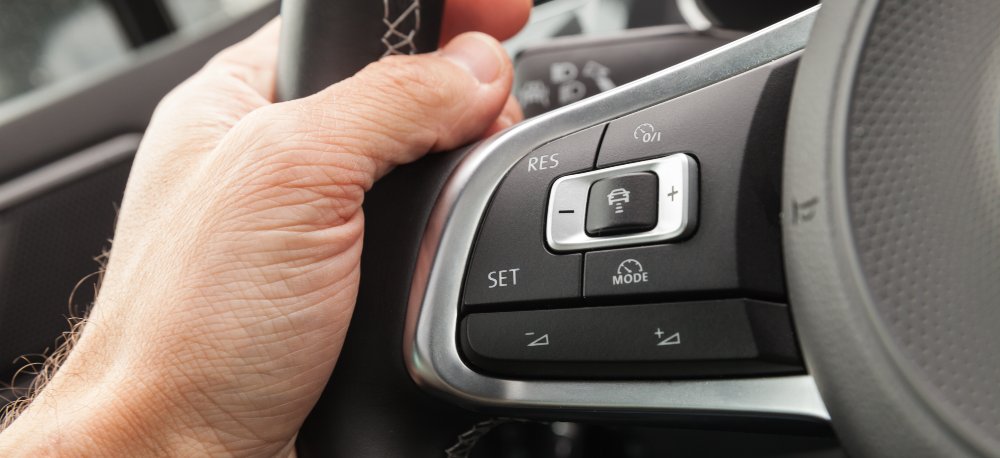
Adaptive cruise control (ACC) technology has become a highly desirable feature in modern vehicles, providing drivers with enhanced convenience, safety, and stress-free driving on highways and busy roads. Unlike traditional cruise control, which maintains a fixed speed, adaptive cruise control automatically adjusts the vehicle’s speed based on the traffic ahead, helping prevent collisions and reduce driver fatigue during long drives.
This guide explores how adaptive cruise control works, its benefits, top vehicle options, and tips for getting the most out of this technology.
What Is Adaptive Cruise Control Technology?
Adaptive cruise control is an advanced driver-assistance system that uses radar, cameras, and sensors to monitor traffic conditions ahead. It automatically adjusts the car’s speed to maintain a safe following distance from the vehicle in front, slowing down when traffic reduces and resuming speed when lanes clear.
Key features include:
-
Automatic acceleration and deceleration
-
Pre-set following distance settings
-
Integration with lane-keeping systems in some vehicles
-
Alerts for sudden changes in traffic flow
Benefits of Adaptive Cruise Control
Adaptive cruise control offers multiple advantages for drivers, particularly those who spend long hours on the road:
1. Enhanced Safety
ACC reduces the risk of rear-end collisions by automatically reacting to slowing traffic.
2. Reduced Driver Fatigue
Maintaining a consistent speed in traffic is less tiring with ACC, allowing drivers to focus on steering and road awareness.
3. Improved Traffic Flow
Smooth acceleration and deceleration prevent abrupt braking, leading to safer and more efficient traffic movement.
4. Fuel Efficiency
While ACC itself doesn’t guarantee savings, maintaining steady speeds and avoiding unnecessary braking can slightly improve fuel consumption. For drivers seeking maximum savings, combining ACC with Fuel-Efficient Cars for Long Daily Commutes can optimize both comfort and economy.
How Adaptive Cruise Control Works
Adaptive cruise control relies on multiple sensors and vehicle systems:
-
Radar Sensors: Measure the distance between your car and the vehicle ahead.
-
Cameras: Identify vehicles, lane markings, and sometimes pedestrians.
-
ECU (Electronic Control Unit): Processes data and adjusts throttle and brakes automatically.
-
Driver Controls: Set desired speed and preferred following distance.
Most modern systems allow drivers to choose between short, medium, and long following distances, adapting to traffic conditions and personal preferences.
Top Cars with Adaptive Cruise Control
| Vehicle Model | Type | Key Features | Average Price Range |
|---|---|---|---|
| Toyota Camry | Sedan | Full-speed ACC, Lane Departure Alert | $30,000–$35,000 |
| Honda Accord | Sedan | Traffic Jam Assist, Adaptive Cruise Control | $32,000–$38,000 |
| Tesla Model 3 | Electric Sedan | Autopilot ACC, Lane Keep Assist | $42,000–$50,000 |
| Volvo XC60 | SUV | Pilot Assist, ACC with semi-autonomous driving | $45,000–$55,000 |
| BMW X5 | Luxury SUV | Adaptive Cruise with Stop & Go functionality | $60,000–$70,000 |
| Audi Q5 | SUV | Adaptive Cruise with Traffic Jam Assist | $50,000–$60,000 |
These vehicles offer a combination of reliability, comfort, and advanced safety features for modern drivers.
Choosing the Right Adaptive Cruise Control System
Not all ACC systems are created equal. When evaluating vehicles, consider:
-
Speed Range: Some ACC systems work only above certain speeds, while full-speed ACC works in stop-and-go traffic.
-
Integration with Safety Systems: Lane keeping, collision mitigation, and blind-spot monitoring enhance overall safety.
-
Customization Options: Ability to adjust following distance and sensitivity improves usability in different traffic conditions.
-
Reliability: Choose vehicles with proven ACC systems and positive reviews for real-world performance.
Driving Tips for Adaptive Cruise Control
-
Always remain attentive; ACC assists, but does not replace the driver.
-
Use ACC primarily on highways or open roads rather than in congested city traffic.
-
Monitor the system’s response in heavy traffic to ensure safety.
-
Combine ACC with other driver-assistance features like lane keeping and blind-spot monitoring for optimal results.
Limitations of Adaptive Cruise Control
While ACC is a powerful tool, it has some limitations:
-
May not detect motorcycles or smaller objects in certain conditions.
-
Performance can be affected by poor weather (heavy rain, snow, fog).
-
Cannot replace driver judgment in complex traffic scenarios.
-
Slightly increases vehicle cost compared to traditional cruise control.
Understanding these limitations ensures safe and responsible use.
Maintaining Your Adaptive Cruise Control System
-
Keep sensors and cameras clean and unobstructed.
-
Ensure software updates are installed promptly.
-
Schedule regular maintenance as recommended by the manufacturer.
Proper care ensures consistent performance and prolongs the lifespan of ACC features.
Frequently Asked Questions (FAQs)
Does adaptive cruise control work in city traffic?
Some systems, especially full-speed ACC, work in stop-and-go traffic, but it’s best suited for highways.
Is adaptive cruise control safe for long commutes?
Yes, ACC reduces fatigue during long drives by maintaining consistent speed and safe distances.
Can ACC be used in bad weather?
Most systems function in light rain or snow, but heavy precipitation may limit performance.
Does ACC improve fuel efficiency?
ACC can improve fuel efficiency slightly by reducing unnecessary acceleration and braking. Pairing it with fuel-efficient vehicles maximizes savings.
Do all cars have adaptive cruise control?
No, ACC is typically available in mid-range to high-end models or as part of an optional package.
Conclusion
Cars with adaptive cruise control technology represent the next step in driver convenience and safety. By automatically adjusting speed, maintaining safe distances, and reducing fatigue, ACC makes long commutes and highway driving more manageable. When combined with smart choices like Fuel-Efficient Cars for Long Daily Commutes, drivers can enjoy a comfortable, cost-effective, and safe driving experience. This technology is increasingly becoming standard in modern vehicles, making it a valuable investment for both safety-conscious and efficiency-minded drivers.