
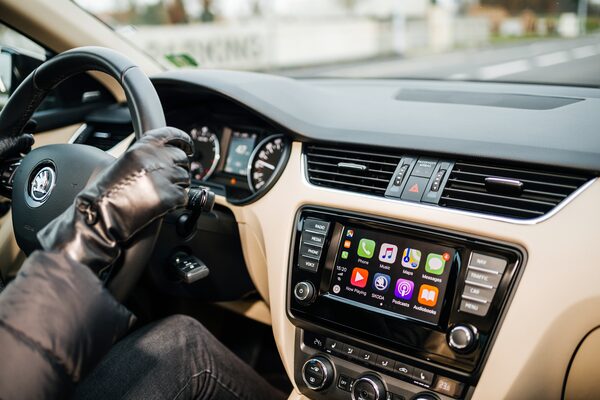
Modern vehicles are no longer just about performance and comfort. Advanced infotainment and navigation systems have become essential features, enhancing convenience, safety, and overall driving experience. From large touchscreens to intelligent voice commands and real-time navigation, today’s cars are equipped with technology that keeps drivers connected and informed.
This article explores cars with advanced infotainment and navigation systems, key features to look for, and how these technologies improve everyday and long-distance driving.
What Is an Advanced Infotainment System?
An advanced infotainment system integrates entertainment, navigation, communication, and vehicle information into a single digital interface. These systems allow drivers to access music, maps, calls, apps, and vehicle settings with minimal distraction.
Key components include:
-
Touchscreen displays
-
Voice control and steering-wheel controls
-
Built-in navigation with real-time updates
-
Smartphone integration
-
Wireless connectivity
Why Infotainment and Navigation Matter
Advanced infotainment systems improve driving efficiency and safety by reducing the need for external devices. Integrated navigation ensures accurate directions, traffic updates, and route optimization, especially useful in unfamiliar locations.
These systems are particularly valuable for long drives, business travel, and daily commuting.
Top Cars With Advanced Infotainment and Navigation
Tesla Model 3
The Tesla Model 3 features a minimalist interior with a large central touchscreen controlling nearly all vehicle functions. Its navigation system includes real-time traffic data and route-based charging suggestions.
Mercedes-Benz E-Class
The E-Class offers a high-end infotainment experience with dual digital displays, intuitive touch controls, and advanced voice assistance. The navigation system integrates seamlessly with driver-assistance features.
BMW 5 Series
BMW’s iDrive system is known for its smooth interface and quick response. The navigation system provides real-time traffic information and intelligent rerouting.
Audi A6
Audi’s dual-touchscreen setup delivers a sleek and modern interface. Its navigation system offers precise mapping and high-resolution visuals.
Hyundai Sonata
The Hyundai Sonata provides premium-level infotainment at an affordable price. Its large touchscreen, smartphone integration, and clear navigation graphics make it a strong contender.
Key Features to Look for in Infotainment Systems
When choosing a car with advanced infotainment and navigation, focus on the following features:
Large and Responsive Touchscreens
High-resolution screens improve visibility and ease of use while driving.
Smartphone Integration
Apple CarPlay and Android Auto allow seamless access to apps, calls, and messages.
Voice Control
Voice commands minimize distractions and enhance safety.
Real-Time Navigation
Live traffic updates, rerouting, and estimated arrival times improve efficiency.
Infotainment Systems and Road Trip Convenience
Advanced infotainment systems significantly enhance long-distance travel by offering entertainment options, navigation accuracy, and comfort. They complement vehicles designed for extended travel, including those often listed among the Best Cars for Road Trips With Good Gas Mileage.
Drivers can enjoy music, podcasts, and hands-free communication while staying on the most efficient route.
Comparison of Cars With Advanced Infotainment
| Car Model | Screen Size | Navigation Features | Best For |
|---|---|---|---|
| Tesla Model 3 | 15 inches | Real-time traffic, charging routes | Tech-focused drivers |
| Mercedes-Benz E-Class | Dual screens | AI voice navigation | Luxury experience |
| BMW 5 Series | 12.3 inches | Intelligent rerouting | Balanced performance |
| Audi A6 | Dual touchscreens | High-resolution mapping | Modern design |
| Hyundai Sonata | 12.3 inches | Smartphone-based navigation | Budget-friendly tech |
Benefits of Advanced Navigation Systems
-
Reduced travel time through real-time traffic updates
-
Improved safety with hands-free operation
-
Enhanced driving confidence in unfamiliar areas
-
Better route planning and fuel efficiency
These benefits make advanced navigation systems a must-have feature in modern vehicles.
Common Mistakes When Choosing Infotainment Systems
-
Prioritizing screen size over usability
-
Ignoring software update support
-
Overlooking voice control accuracy
-
Choosing systems with complex menus
A well-designed interface is just as important as advanced features.
Frequently Asked Questions
What is the best infotainment system available today?
Systems from Tesla, Mercedes-Benz, BMW, and Audi are widely regarded as industry leaders due to their functionality and responsiveness.
Do advanced infotainment systems increase car value?
Yes, vehicles with advanced infotainment and navigation systems typically have higher resale value and buyer appeal.
Is built-in navigation better than smartphone navigation?
Built-in navigation integrates better with vehicle systems, but smartphone navigation offers flexibility and frequent updates.
Can infotainment systems be upgraded?
Some systems allow software updates, but hardware upgrades are usually limited.
Are advanced infotainment systems safe to use while driving?
When used responsibly with voice commands and steering-wheel controls, they enhance safety by reducing distractions.
Conclusion
Cars with advanced infotainment and navigation systems redefine the driving experience by combining technology, safety, and convenience. From luxury sedans to affordable mid-range vehicles, these systems provide real-time guidance, entertainment, and connectivity. Choosing a car with a user-friendly, feature-rich infotainment system ensures a smarter, more enjoyable drive for both everyday use and long journeys.