
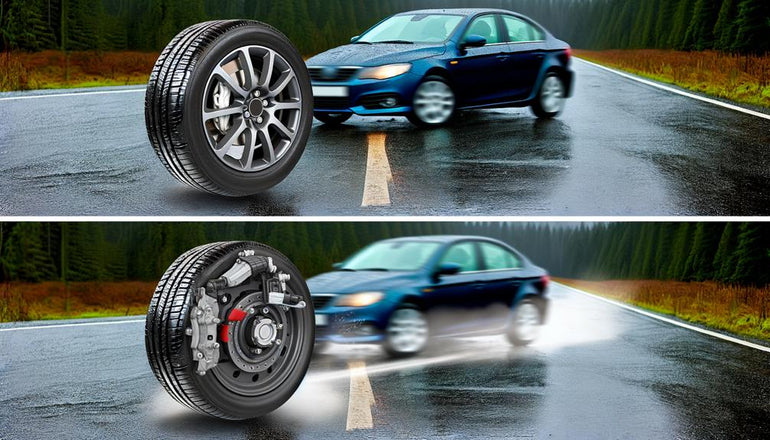
Safety is one of the most critical factors when choosing a car, and two of the most important safety technologies are a strong braking system and advanced stability control. These features work together to help drivers maintain control, reduce stopping distances, and prevent skidding or loss of traction in challenging driving conditions.
Modern vehicles use sophisticated electronics, sensors, and mechanical engineering to ensure optimal braking performance and stability. This article explores cars known for excellent braking systems and stability control, explains how these technologies work, and helps you understand why they matter for everyday driving.
Why Braking Systems and Stability Control Matter
A car’s braking system determines how quickly and safely it can come to a stop. Stability control, on the other hand, helps prevent loss of control during sudden turns, slippery roads, or emergency maneuvers.
Together, these systems:
-
Reduce accident risk
-
Improve handling in wet or icy conditions
-
Enhance driver confidence
-
Protect passengers and pedestrians
Vehicles with advanced braking and stability technologies are especially valuable for city driving, highways, and long-distance travel.
Understanding Modern Braking Systems
Modern cars no longer rely solely on traditional hydraulic brakes. Today’s systems combine multiple technologies for maximum efficiency.
Key Braking Technologies
-
Anti-lock Braking System (ABS): Prevents wheel lock-up during hard braking
-
Electronic Brakeforce Distribution (EBD): Distributes braking force based on load and road conditions
-
Brake Assist: Applies maximum braking force during emergency stops
-
Regenerative Braking (in hybrids and EVs): Improves efficiency while slowing the vehicle
These systems ensure shorter stopping distances and better control.
What Is Stability Control?
Electronic Stability Control (ESC) monitors steering input, wheel speed, and vehicle movement. If the system detects a loss of traction, it automatically applies brakes to individual wheels and adjusts engine power to help keep the car on its intended path.
This technology is especially helpful during:
-
Sharp turns
-
Sudden lane changes
-
Slippery or uneven surfaces
Stability control has become a standard safety feature in most modern vehicles due to its proven effectiveness.
Cars Known for Excellent Braking and Stability Control
Certain manufacturers consistently stand out for their safety engineering. Below are vehicle categories and examples known for strong braking and stability performance.
Luxury Sedans
Luxury brands often lead in safety innovation, offering large brake discs, adaptive stability systems, and advanced driver assistance features.
Sports Cars
High-performance cars require exceptional braking and stability to handle speed and sharp handling. These vehicles use performance-grade brake materials and finely tuned stability systems.
SUVs and Crossovers
Due to their higher center of gravity, SUVs benefit greatly from advanced stability control to reduce rollover risk and improve handling.
Compact and Mid-Size Cars
Many modern compact vehicles deliver impressive braking and stability while also being Lightweight Cars Optimized for Fuel Efficiency, making them both safe and economical.
Comparison Table: Braking and Stability Features
| Car Category | Braking System Quality | Stability Control Performance | Ideal For |
|---|---|---|---|
| Luxury Sedans | Advanced multi-piston brakes | Highly adaptive ESC | Comfort and safety |
| Sports Cars | Performance-grade brakes | Precision-tuned stability | High-speed control |
| SUVs | Heavy-duty disc brakes | Enhanced rollover prevention | Family and off-road use |
| Compact Cars | Efficient disc brakes | Standard ESC systems | Daily commuting |
| Electric Vehicles | Regenerative + disc brakes | Software-driven stability | Urban and highway driving |
How Braking and Stability Work Together
When a driver brakes suddenly, stability control monitors the car’s movement. If it detects that the vehicle is veering off course, it adjusts braking pressure on specific wheels. This coordination allows the car to slow down while staying balanced and aligned with the driver’s steering input.
This integration is particularly useful in emergency situations where split-second corrections can prevent accidents.
Factors That Affect Braking and Stability Performance
Even the best systems depend on proper conditions and maintenance. Key factors include:
-
Tire quality and tread depth
-
Road surface and weather
-
Vehicle weight and load distribution
-
Regular brake maintenance
Keeping these elements in check ensures that braking and stability systems perform as intended.
Benefits for Everyday Drivers
Cars with strong braking and stability control offer more than just emergency protection. Daily benefits include:
-
Smoother handling
-
Less driver fatigue
-
Greater confidence in bad weather
-
Improved resale value due to safety features
These advantages make safety-focused vehicles a smart long-term investment.
FAQs
What car has the best braking system?
Cars with large disc brakes, ABS, and brake assist typically offer the best braking performance. Luxury and performance-oriented models often lead in this area.
Is stability control really necessary?
Yes. Stability control significantly reduces the risk of skidding and loss of control, especially during sudden maneuvers or slippery conditions.
Do all modern cars have stability control?
Most new cars come with electronic stability control as a standard feature, but performance levels may vary by manufacturer and model.
How can I maintain my car’s braking performance?
Regular brake inspections, timely pad replacement, proper tire maintenance, and fluid checks help ensure optimal braking and stability.
Are electric cars good at braking?
Yes. Electric vehicles often combine regenerative braking with traditional disc brakes, offering smooth and efficient stopping power.
Final Thoughts
Cars with the best braking systems and stability control provide a higher level of safety, control, and peace of mind. Whether driving in the city, on highways, or in challenging weather conditions, these technologies play a crucial role in preventing accidents and enhancing overall driving performance.
Choosing a vehicle with well-engineered braking and stability features is not just about safety—it’s about confidence, comfort, and smarter driving every day.