
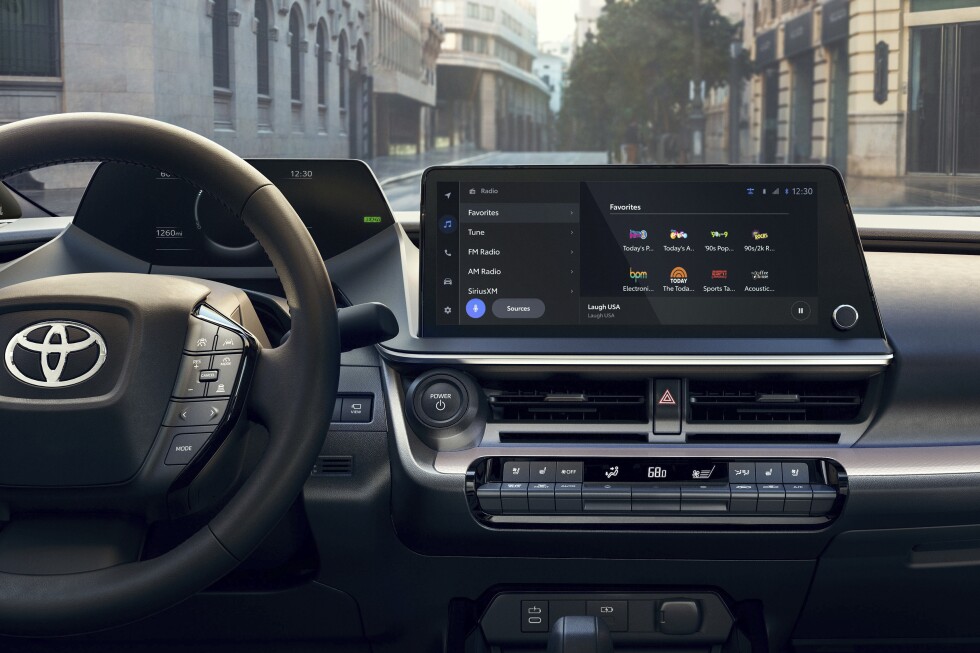
In today’s connected world, a great infotainment system and intuitive navigation can make every drive more enjoyable, safer, and more efficient. Whether you’re commuting, traveling long distances, or exploring new places, having an easy-to-use multimedia and navigation interface can transform your driving experience. From crisp touchscreens to advanced voice commands and seamless smartphone integration, the cars with the best infotainment system and navigation combine technology, reliability, and driver convenience.
In this comprehensive guide, we break down top vehicles that lead in tech features, compare their strengths, and answer common questions to help you choose the right tech-forward car for your needs. For context on broader automotive trends, also consider how infotainment systems have grown in importance alongside innovations such as those seen in Electric Cars With Fastest Charging Time technology.
What Makes an Excellent Infotainment and Navigation System?
Before exploring specific cars, it helps to understand the features that define a top infotainment experience:
1. Responsive Touchscreen
Fast, lag-free interaction without distracting delays.
2. Intuitive User Interface
Clear menus, minimal learning curve, and easy access to key functions.
3. Smartphone Integration
Seamless Apple CarPlay and Android Auto support, ideally wireless.
4. Built-In Navigation
Accurate maps, real-time traffic updates, and clear route guidance without relying entirely on a phone.
5. Voice Control
Useful for hands-free operation, especially while driving.
6. Connectivity and Apps
Access to music, messaging, weather, and other services adds value.
7. Data and Safety Features
Real-time alerts, over-the-air updates, and seamless connectivity to safety systems.
Top Cars With Best Infotainment and Navigation
Here are some standout vehicles across different segments known for their advanced tech offerings:
1. Tesla Model 3
Tesla’s infotainment system is one of the most talked-about in the industry. Its large central touchscreen acts as the interface for nearly every function in the car, from navigation to climate control and media.
Key Tech Highlights:
-
Large, responsive touchscreen
-
Real-time navigation with Supercharger routing
-
Over-the-air software updates
-
Minimal physical buttons
Best For: Tech enthusiasts and drivers who prioritize cutting-edge software and navigation integration.
2. Mercedes‑Benz S‑Class
The S-Class delivers a premium tech experience that rivals computers. Its MBUX infotainment system uses dual screens, augmented reality navigation, and advanced voice recognition that understands natural language.
Key Tech Highlights:
-
High-resolution dual screens
-
Augmented Reality navigation overlays
-
AI-powered voice control
-
Extensive connectivity options
Best For: Luxury buyers seeking a sophisticated and intuitive cockpit experience.
3. BMW iX
BMW’s latest electric SUV features an expansive curved display that integrates infotainment and digital instruments. Its navigation is bolstered by real-time data and efficiency guidance for EV drivers.
Key Tech Highlights:
-
Large curved display panel
-
Gesture and voice controls
-
Connected navigation with live traffic data
-
EV-specific routing information
Best For: Drivers looking for high-tech luxury with strong EV functionality.
4. Audi A6
Audi’s MMI Touch Response system provides crisp screens and intuitive controls split between infotainment and climate displays. Its built-in navigation uses clear graphics and fast response times.
Key Tech Highlights:
-
Dual touchscreens with haptic feedback
-
Detailed navigation maps
-
Wireless smartphone connectivity
-
Strong user interface design
Best For: Premium users who want a polished and modern system.
5. Hyundai Palisade
The Hyundai Palisade offers one of the best infotainment experiences among mainstream large SUVs. With a large touchscreen, excellent navigation responsiveness, and integrated apps, it’s a great family-friendly choice.
Key Tech Highlights:
-
Large HD touchscreen
-
Built-in navigation with live updates
-
Wireless Apple CarPlay and Android Auto
-
Easy-to-use layout
Best For: Families who want strong tech features without luxury pricing.
6. Toyota RAV4
The Toyota RAV4’s infotainment system has improved significantly in recent years, offering easy navigation controls, solid smartphone integration, and helpful driver apps.
Key Tech Highlights:
-
Clear, responsive navigation system
-
Standard smartphone connectivity
-
User-friendly interface
-
Frequent software enhancements
Best For: Practical buyers seeking excellent everyday usability.
Comparison Table: Infotainment and Navigation Features
| Vehicle Model | Display Size | Built-In Navigation | Smartphone Integration | Voice Controls | Notable Tech Feature |
|---|---|---|---|---|---|
| Tesla Model 3 | Very Large | Yes | Wireless | Yes | Over-the-Air Updates |
| Mercedes-Benz S-Class | Large | Yes | Wireless | Advanced | Augmented Reality Nav |
| BMW iX | Large | Yes | Wireless | Yes | EV-Optimized Routing |
| Audi A6 | Dual Screens | Yes | Wireless | Yes | Haptic Touchscreens |
| Hyundai Palisade | Large | Yes | Wireless | Yes | Large HD Interface |
| Toyota RAV4 | Moderate | Yes | Wireless/ Wired | Yes | Easy Everyday Use |
Tips for Choosing a Tech-Forward Car
When deciding which infotainment system is best for you, consider:
Daily Use vs. Long Trips
If you frequently travel long distances, built-in navigation with live traffic and rerouting can be a major advantage.
Updates and Longevity
Systems that receive regular over-the-air updates improve over time and can stay relevant longer.
Ease of Use
A system that’s intuitive with minimal menus and easy voice commands reduces distractions on the road.
Integration With Devices
Wireless Apple CarPlay and Android Auto make it easier to access your favorite apps without cables.
Frequently Asked Questions (FAQs)
1. What makes a car’s infotainment system “good”?
A good system is fast, responsive, intuitive to use while driving, and provides seamless connectivity with navigation, media, and phone functions without causing distractions.
2. Is built-in navigation better than smartphone maps?
Built-in systems often offer dedicated maps with real-time traffic and routing without needing a phone signal, but smartphone apps can be more frequently updated and familiar to many users.
3. Do luxury cars always have better infotainment?
Luxury vehicles tend to offer more advanced systems by default, but many mainstream models now provide excellent tech features at a lower price point.
4. Does infotainment affect resale value?
Yes, a modern and up-to-date infotainment system can boost resale value and keep a car feeling current longer.
5. Are larger screens always better?
Larger screens can show more information clearly, but the overall system’s user experience and responsiveness matter more than just size.
6. Can older cars get updated tech features?
Some older models may receive software updates, and aftermarket solutions can add smartphone mirroring or navigation to vehicles that lack modern systems.
Final Thoughts
Cars with the best infotainment system and navigation strike a balance between functionality, ease of use, and advanced tech features. Whether you’re drawn to futuristic digital cockpits like those in the Tesla Model 3 and Mercedes-Benz S-Class or solid everyday systems like those in the Hyundai Palisade and Toyota RAV4, today’s vehicle tech landscape has something for every driver.