
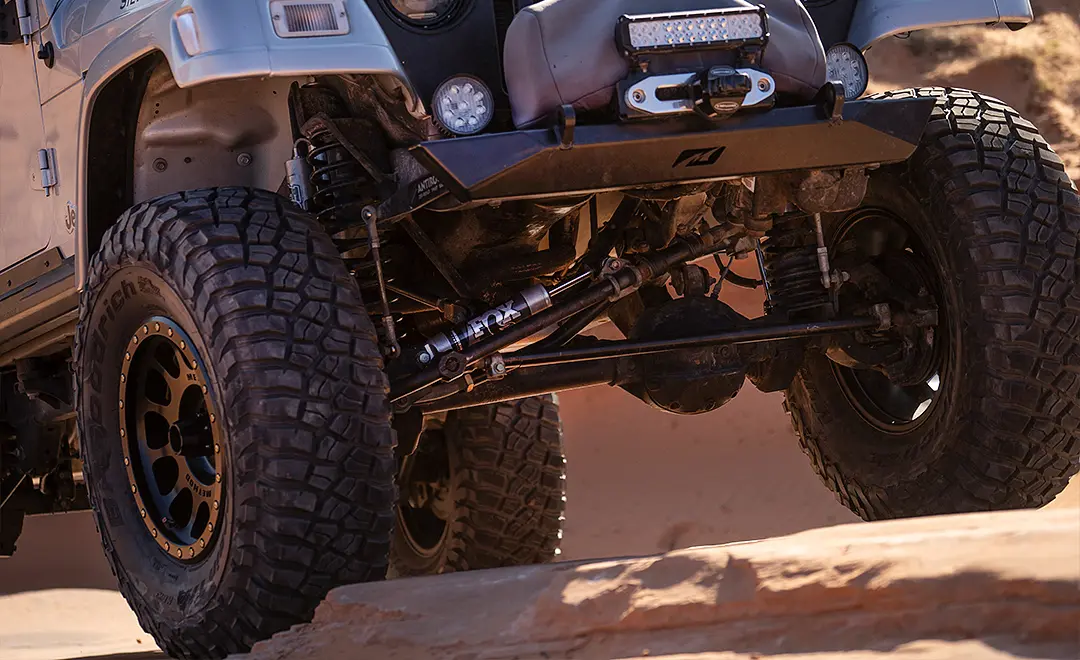
Driving on rough, uneven, or poorly maintained roads can be uncomfortable and even unsafe if your car’s suspension is not up to the task. Suspension systems play a critical role in absorbing shocks, maintaining stability, and ensuring a smooth ride. Whether you encounter potholes, gravel roads, or off-road trails, having a vehicle with superior suspension can make a significant difference in comfort and control.
This guide explores the cars with the best suspension for rough road conditions, key features to look for, and tips for selecting a vehicle suited to challenging terrains.
Why Suspension Matters for Rough Roads
A car’s suspension system serves multiple purposes:
-
Absorbs bumps and vibrations from uneven surfaces
-
Maintains tire contact with the road for stability and safety
-
Reduces wear and tear on other vehicle components
-
Enhances overall ride comfort for passengers
Vehicles with robust suspension systems are ideal for rural areas, construction zones, or regions with inconsistent road quality.
Key Features of Good Suspension Systems
When choosing a car for rough road conditions, pay attention to these suspension features:
-
Independent Suspension: Each wheel moves independently, improving handling and comfort on uneven terrain.
-
Adaptive or Adjustable Suspension: Allows drivers to switch between comfort and performance modes.
-
High Ground Clearance: Reduces the risk of scraping the underbody on bumps or potholes.
-
Heavy-Duty Shock Absorbers: Provide better damping for rough roads.
-
Reinforced Springs: Coil or leaf springs that can handle weight and harsh surfaces efficiently.
Cars combining these features are better equipped to deliver a smooth ride under challenging conditions.
Top Cars Known for Excellent Suspension
-
SUVs and Crossovers: Vehicles like the Toyota Land Cruiser or Ford Explorer are equipped with advanced suspension systems designed for off-road and rough roads.
-
Pickup Trucks: Models such as the Ford Ranger or Toyota Hilux use heavy-duty suspension to handle rugged terrains and heavy loads.
-
Premium Sedans with Adaptive Suspension: Luxury sedans like the Mercedes-Benz E-Class or Audi A6 offer adaptive air suspension that absorbs bumps effortlessly.
-
Crossover Compact SUVs: For a balance of urban usability and comfort on rough roads, vehicles like the Subaru Outback or Honda CR-V provide smooth handling over uneven surfaces.
These vehicles combine ride comfort, stability, and durability for demanding conditions.
Comparison Table: Suspension Systems for Rough Roads
| Vehicle Type | Suspension Type | Ground Clearance | Ideal Use |
|---|---|---|---|
| SUV | Independent coil, sometimes adaptive | 200–250 mm | Off-road, rough urban roads |
| Pickup Truck | Leaf springs, heavy-duty shocks | 210–280 mm | Load-bearing, rough terrain |
| Luxury Sedan | Adaptive air suspension | 150–180 mm | Comfort over uneven city roads |
| Crossover | MacPherson struts + adaptive shocks | 180–220 mm | Mixed urban and rural use |
Advantages of Cars with Superior Suspension
-
Enhanced Comfort: Absorbs road shocks for a smoother ride.
-
Improved Safety: Keeps tires in contact with the road, reducing skidding.
-
Vehicle Longevity: Less strain on chassis and components.
-
Versatility: Capable of handling urban potholes and rural rough roads alike.
These benefits make vehicles with excellent suspension systems essential for drivers in areas with variable road quality.
Choosing the Right Car for Your Needs
-
Assess Road Conditions: Determine if you need off-road capability or just enhanced comfort for uneven city streets.
-
Check Suspension Specs: Look for vehicles with independent, adaptive, or heavy-duty suspension components.
-
Test Drive: Evaluate how the car handles bumps, potholes, and uneven terrain.
-
Consider Vehicle Size: Larger vehicles often handle rough roads better but may be harder to park in urban areas.
-
Factor in Budget: While premium models offer advanced suspension, there are affordable options that perform well for moderate rough roads, similar to how Low-Cost Electric Cars for Urban Environments cater to budget-conscious drivers seeking practical performance.
FAQs
Can all SUVs handle rough roads equally well?
No, while most SUVs have higher ground clearance, suspension quality varies. Off-road SUVs with reinforced components perform best on rough terrain.
Does adaptive suspension make a big difference?
Yes, adaptive suspension adjusts damping in real-time, providing better comfort and handling over uneven surfaces.
Are pickup trucks more comfortable on rough roads than sedans?
Pickup trucks excel in durability but may feel stiffer compared to sedans with adaptive suspension, which focus more on ride comfort.
How often should suspension components be checked?
Suspension should be inspected at least once a year or after hitting major potholes to ensure optimal performance.
Can a compact car be suitable for rough roads?
Yes, compact crossovers with reinforced suspension and higher ground clearance can handle moderate rough road conditions effectively.
Conclusion
For drivers navigating rough roads regularly, choosing a car with the best suspension is crucial for safety, comfort, and durability. SUVs, pickups, luxury sedans, and crossover vehicles offer a range of options to meet different budgets and driving conditions.
While affordability-focused vehicles like Low-Cost Electric Cars for Urban Environments prioritize city efficiency, vehicles with superior suspension prioritize comfort and resilience on challenging terrains. Assess your typical driving conditions, test drive potential vehicles, and prioritize suspension features to ensure a smooth and safe ride, regardless of road quality.